Knowing when to test for STDs comes down to a few clear situations. If you develop symptoms, such as unusual discharge or sores, or a partner tests positive, get tested straight away. If you’re sexually active with no symptoms, a screen at least once a year is sensible. And after any unprotected encounter, timing matters: you’ll need to wait for the specific window period, roughly 1 to 12 weeks depending on the infection, before a test can give a reliable result.
Testing is straightforward, confidential, and nothing to feel anxious about. Getting the timing right is what gives you an accurate answer, and that’s really the whole point.
When to Schedule an STD Test
The best time to test for STDs depends on your exposure history and the particular infection. Test too early and you can get a false negative, because your body needs time to build up the viral load or the antibodies (proteins your immune system makes to fight infection) that tests look for.
- When You Have Symptoms: Test straight away, and see a doctor as soon as you notice signs like unusual genital discharge, burning when you urinate, sores, rashes, or pelvic pain.
- When You Are Sexually Active: Book a screen at least once a year, even without any symptoms.
- When You Are Starting a New Relationship: Get tested before you begin sexual activity with a new partner, to protect you both.
- When You Are at Higher Risk: A screen every 6 to 12 months is sensible if you have multiple partners, casual encounters, or unprotected sex.
Standard STD Test Window Periods by Infection
The STD test window period is the gap between possible exposure and the point a test can reliably detect an infection. Waiting for it is what makes your result trustworthy. It’s also the answer to when to test for STDs after contact: not immediately, but once enough time has passed for the specific infection.
| Infection / Test | Recommended Waiting Time |
| Chlamydia and Gonorrhoea | 1 to 6 days after exposure, or test after 2 weeks for conclusive results |
| HIV | 2 weeks for early detection, conclusive results usually by 12 weeks |
| Syphilis | 3 to 6 weeks |
| Herpes | 4 to 6 weeks |
| Hepatitis B | 6 weeks |
Source: Singapore Women’s Clinic
Practical Preparation and What to Expect
A little preparation before an STD screening helps your visit go smoothly and keeps your results accurate.
- Avoid Urinating Beforehand: Try not to urinate for 2 to 3 hours before a urine-based test, such as for chlamydia or gonorrhoea, as this can wash away the bacteria needed for an accurate reading.
- Know Your History: Be ready to talk through your last sexual encounter, condom use, and any past infections with us.
- Understand the Types of Tests: Depending on your risk profile, we may use a urine test, a swab, or a blood test.
Test With Confidence at TAF Clinic
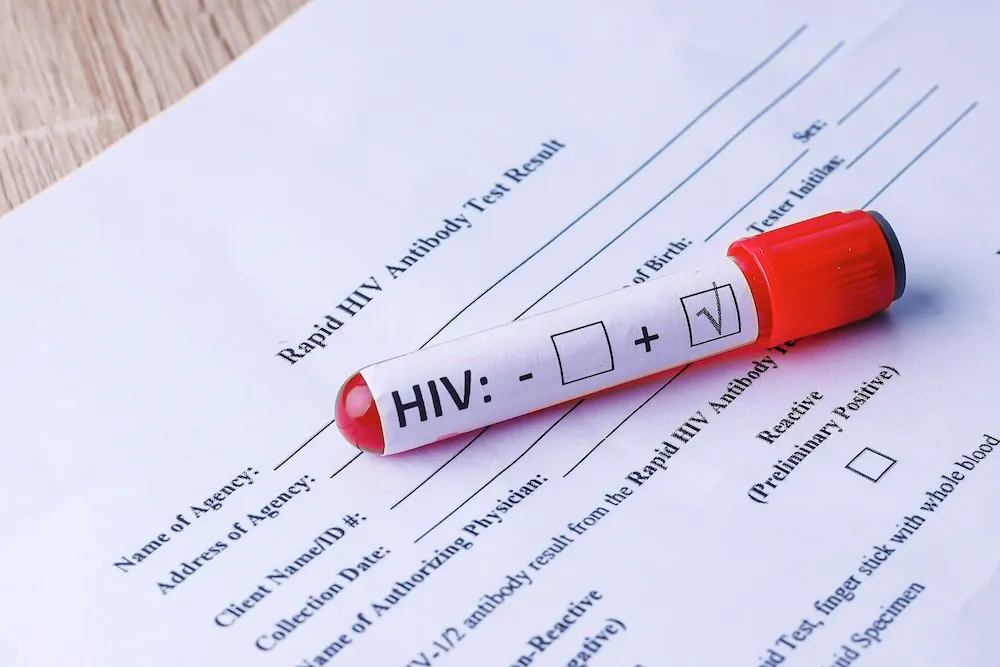
The right timing turns a worrying question into a simple, reassuring answer. Regular testing isn’t a sign that something is wrong; it’s just a normal part of looking after yourself.
At TAF Clinic, our sexual health services are confidential and delivered in a warm, judgement-free setting. For STD testing in Singapore, we offer anonymous HIV testing, and for added privacy, you can opt for an HIV lab test without a doctor’s consultation. Whoever you are and whatever your situation, you’ll be met with discretion and real care here.
If you’d like to arrange a screening, or you have questions about our anonymous and self-directed testing options, book a screening or get in touch. We’re glad to help you work out the right timing for you.