


Premature Ejaculation

Premature ejaculation occurs when a man ejaculates sooner during sexual intercourse than he or his partner would like. This condition affects men of all ages and may occur occasionally or repeatedly. Premature ejaculation can lead to dissatisfaction with sexual intercourse, relationship difficulties, and personal distress. While it is one of the most common sexual concerns, many men hesitate to discuss it openly, which can delay diagnosis and treatment.

Signs and Symptoms of Premature Ejaculation

Men with premature ejaculation may experience various symptoms that can affect their sexual health. The following are common indicators of this condition.

  • Ejaculation occurring within one minute of penetration: This is the primary symptom where ejaculation happens very shortly after sexual activity begins, often with minimal sexual stimulation.
  • Inability to delay ejaculation: Men find themselves unable to control or postpone ejaculation during most sexual encounters, regardless of their efforts to do so.
  • Negative psychological consequences: This includes feelings of distress, frustration, anxiety, and embarrassment that may lead to avoidance of sexual intimacy.

Causes and Risk Factors

Premature ejaculation can arise from various factors. Recognising these underlying causes is key to determining the most effective treatment approaches.

  • Psychological factors

    Anxiety, depression, and stress can contribute to premature ejaculation by affecting how the brain processes sexual stimuli.

  • Biological factors

    Abnormal hormone levels, unusual reflex activity of the ejaculatory system, certain thyroid problems, or imbalances in neurotransmitters can influence ejaculatory timing.

  • Erectile dysfunction

    Some men with premature ejaculation also experience erectile dysfunction, which can create a cycle where they rush to ejaculate before losing their erection.

  • Inflammation or infection

    Prostatitis or urethritis can lead to premature ejaculation by causing inflammation in the prostate gland or urethra, affecting normal ejaculatory control.
Diagnostic Methods

Medical and sexual history assessment

This involves collecting detailed information about sexual function, including frequency of premature ejaculation, onset, situational factors, and impact on quality of life. The assessment helps establish whether the condition is lifelong or acquired and identifies potential physical or psychological contributors.

Physical examination

A general physical exam and specific examination of the genital area help rule out anatomical abnormalities or signs of infection that may contribute to premature ejaculation. This may include checking for prostate abnormalities, nerve sensitivity, or reflexes.

Are your symptoms affecting your quality of life?

Consult our MOH-accredited specialist for a personalised treatment plan today.

Treatment Options

Treatment plans are typically tailored to individual needs and may combine several approaches.

Behavioural techniques

Methods such as the stop-start technique and the squeeze technique help men develop awareness of sensations preceding ejaculation and learn to control their response. Regular practice of these techniques can help extend the time before ejaculation.

Pelvic floor exercises

Strengthening the pelvic floor muscles through specific exercises can improve control over ejaculation. These exercises involve identifying and contracting the muscles used to stop urination midstream. Regular performance of these exercises helps build strength and control in the muscles involved in ejaculation.

Topical treatment

Creams, gels, or sprays containing numbing agents such as lidocaine or prilocaine can reduce sensation in the penis when applied before sexual activity. These products create a mild numbness that helps delay ejaculation without significantly reducing pleasure. They should be applied as directed and wiped off before penetration to prevent numbness in the partner.

Oral medications

Certain antidepressants, particularly selective serotonin reuptake inhibitors (SSRIs), can delay ejaculation as a side effect. These medications work by affecting serotonin levels in the brain, which influences the ejaculation reflex. They may be taken daily or on demand before sexual activity, depending on the specific medication and individual needs.

Prevention and Management

Managing premature ejaculation typically combines specific treatments with lifestyle adjustments. Open communication with partners about concerns can reduce anxiety and improve satisfaction. Relaxation techniques like deep breathing during intimate moments may help control ejaculatory responses. Limiting alcohol, avoiding recreational drugs, and maintaining physical health through exercise and proper nutrition all support better sexual function. For some men, condoms provide a simple solution by slightly reducing penile sensitivity.

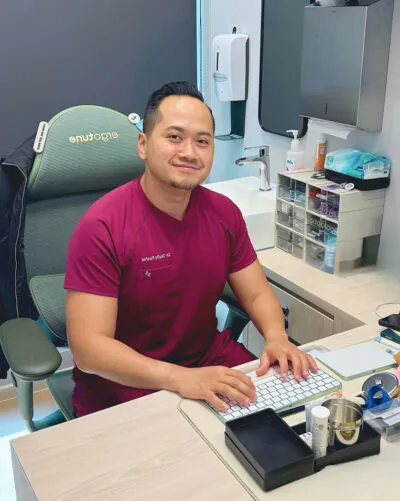
Dr Muhammad Taufiq Rashid

MBBS (NUS)

Member of SASO

Member of SMHS

Member Of ISSM

With over 15 years of experience in clinical practice and healthcare management, Dr Muhammad Taufiq Rashid focuses on men’s health and weight management. He is also a member of the International Society for Sexual Medicine (ISSM), reflecting his continued commitment to men’s wellness.

His care approach incorporates evidence-based medical procedures and tailored solutions designed to meet individual needs.

Dr Taufiq’s professional background spans a range of medical disciplines, equipping him with the knowledge and skills to guide patients in achieving their health goals. He is certified in circumcision techniques using the Shang Ring and ZSR Stapler methods, offering efficient and minimally invasive procedures completed in less than 15 minutes.

Education, Experience & Affiliations

Dr. Taufiq began his medical career as a Medical Officer under MOHH from 2006 to 2014, gaining valuable experience in multidisciplinary healthcare at Alexandra Hospital, KK Hospital, Bright Vision Hospital, and AMK THK Hospital.

From July 2017 to March 2021, he served as Chief Resident Physician at DTAP Clinic Somerset Branch, focusing on men’s health and providing holistic, patient-centered care.

As Medical Director at Pulse Medical Centre from April 2021 to December 2024, Dr. Taufiq led multidisciplinary care and advanced patient-first practices.

He holds certifications in ShangRing Circumcision, ZSR Stapler Circumcision, SCOPE certification, and ShangRing Training (Wuhu, Snnda, 2018). He is also a Certified Trainer for ShangRing Circumcision, ZSR Stapler Circumcision, Touchstone Circumcision, and the Storz T-Top Duolith Shockwave Therapy Machine.

In 2024, he completed the Androcourse under the Society of Men’s Health Singapore. Dr. Taufiq is a member of the Society of Men’s Health Singapore (SMHS), the Singapore Association for the Study of Obesity (SASO), and the International Society of Sexual Medicine (ISSM), reflecting his ongoing commitment to men’s health and weight management.

Make an Enquiry

Got Questions? Please fill in the enquiry form below and we look forward to addressing your question.

    Our Location

    SBF CENTER MEDICAL SUITES
    160 Robinson Rd, #05-05, Singapore 068914

    Mon – Thu: 9:00am to 2:00pm, 3:00pm to 6:00pm
    Fri: 9:00am to 12:30pm, 2:00pm to 6:00pm
    Sat: 9:00am to 1:00pm
    Sun & PH: Closed

    Frequently Asked Questions

    Can premature ejaculation resolve on its own?

    Occasional episodes of premature ejaculation, especially those linked to temporary stress or new relationships, may resolve without treatment. However, persistent premature ejaculation typically requires intervention. Young men with lifelong premature ejaculation rarely experience spontaneous improvement without learning control techniques or receiving other treatments.

    How does age affect premature ejaculation?

    Age-related effects on premature ejaculation vary. Younger men tend to experience shorter ejaculatory latency naturally, while older men may develop premature ejaculation secondary to erectile dysfunction. Some older men with lifelong premature ejaculation may experience mild improvement with age as sensitivity gradually decreases.

    How long does treatment for premature ejaculation take to work?

    Treatment timelines vary by method. Topical anaesthetics work immediately but temporarily. Oral medications typically show effects within hours to days. Behavioural techniques require consistent practice over several weeks to months before significant improvement occurs.