


Yellow, green, or white discharge from the penis, vagina, or rectum, sometimes accompanied by an unpleasant smell.
Gonorrhoea
Gonorrhoea is a sexually transmitted infection (STI) caused by the bacterium Neisseria gonorrhoeae. This infection affects the mucous membranes of the reproductive tract, including the cervix, uterus, and fallopian tubes in women and the urethra in both women and men. It can also infect the mouth, throat, eyes, and rectum. Without treatment, gonorrhoea can lead to serious complications and increase the risk of contracting other sexually transmitted infections.
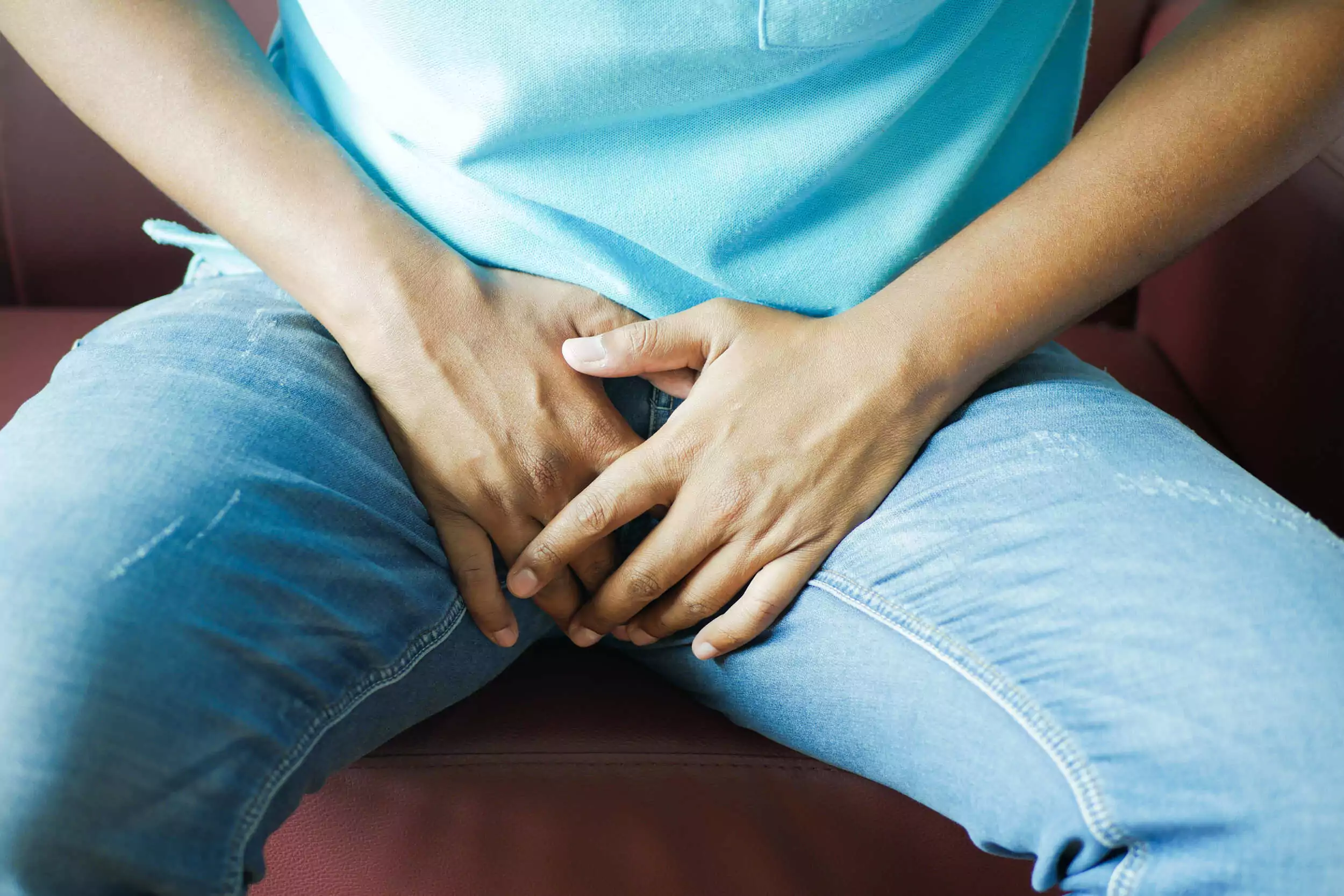
Symptoms of Gonorrhoea
Symptoms of gonorrhoea may develop within 2–14 days after exposure, although many individuals remain asymptomatic. Common symptoms include:
Discharge
Urination Changes
A painful or burning sensation during urination, often with an increased urge to urinate more frequently.
Throat Infection
Redness, soreness, and discomfort in the throat, typically occurring after oral exposure to the infection.
Rectal Symptoms
Irritation or discomfort around the anal area, including discharge, bleeding, soreness, and persistent itching.
Eye Infection
Redness, irritation, and discharge from the eyes, commonly seen in newborns exposed to gonorrhoea during childbirth.
Joint Pain
Painful swelling and stiffness in one or more joints caused by the spread of the infection through the bloodstream.
Causes and Risk Factors
The likelihood of contracting and transmitting gonorrhoea is influenced by several factors:
-
Unprotected Sexual Contact
Engaging in vaginal, anal, or oral sex without using protective barriers increases the risk of direct exposure to infected bodily fluids.
-
Multiple Sexual Partners
Having numerous or frequent new sexual partners significantly raises the chances of encountering an infected individual.
-
History of STIs
A previous infection with any sexually transmitted infection can weaken defences and make individuals more vulnerable to contracting gonorrhoea.
-
Age Group
Young adults aged 15–24 are at the greatest risk, partly due to higher rates of sexual activity and limited STI awareness.
-
Substance Use
The use of drugs or alcohol can impair decision-making, leading to unprotected sex or other risky sexual behaviours.
Types of Gonorrhoea Infections
Gonorrhoea infections present differently depending on the body site affected:
Urogenital Infection
Involves the reproductive and urinary systems, causing the most common symptoms such as abnormal discharge and painful urination. If untreated, it can lead to complications like pelvic inflammatory disease in women and epididymitis in men.
Pharyngeal Infection
Occurs in the throat and often remains asymptomatic, though it can still transmit the infection. This type may persist longer than urogenital infections and may require specific antibiotic treatment.
Ocular Infection
Affects the eyes and, if untreated, can lead to severe vision problems. Newborns may acquire ocular gonorrhoea during childbirth, necessitating immediate treatment to avoid complications. Preventive measures include screening pregnant women and applying prophylactic eye treatments to newborns.
Disseminated Infection
A rare but serious condition in which the infection spreads through the bloodstream, potentially affecting joints, heart valves, and other organs. This form requires urgent hospitalisation and intravenous antibiotics.
Diagnostic Methods
Polymerase Chain Reaction (PCR) Testing
PCR testing is a method used to detect the genetic material of Neisseria gonorrhoeae in urine or swab samples. By amplifying bacterial DNA, PCR testing can identify even small amounts of bacteria, making it particularly effective for screening asymptomatic individuals. Results are typically available within 24-48 hours, ensuring timely and reliable diagnosis.
Gram Stain
Microscopic examination of discharge samples helps identify bacterial cells. This quick test provides immediate results but primarily works for symptomatic male patients. Healthcare providers may use this method for initial diagnosis while awaiting NAAT results.
Culture Tests
Growing bacteria from sample specimens helps identify the specific strain and antibiotic resistance patterns. This method takes several days but is particularly useful when treatment fails or antibiotic resistance is suspected.
Same-Day & Anonymous PCR Testing Available
Get fast, confidential answers — without the wait.
TAF Clinic offers same-day PCR results for Gonorrhoea testing when you arrive before 12pm. For tests conducted after 12pm, results are typically ready by the next working day. No more spending days anxious about your status.
We also provide fully anonymous testing — no name, no identification required.
Your privacy is protected throughout the entire process.
- Rapid PCR results — same-day (before 12pm) or next-day (after 12pm)
- Anonymous testing available — completely confidential
- No GP referral needed — walk in or book an appointment
- MOH-accredited clinic — professional care you can trust
- Combined screening — tests for both Chlamydia and Gonorrhoea
Price: $218 (inclusive of GST) for combined Chlamydia & Gonorrhoea PCR testing
PCR (Polymerase Chain Reaction) testing is a highly accurate laboratory method for detecting both Chlamydia trachomatis and Neisseria gonorrhoeae from urine or swab samples. This dual-test approach screens for both common STIs in one visit, and is effective even in asymptomatic cases.
📞 Call: +65 6910 4404 💬 WhatsApp: +65 8815 0973
Screening Packages
All packages are non-refundable. Price stated below is after GST charge of 9%.
STI2
$130
- Chlamydia trachomatis
- Neisseria gonorrhoeae
STI3
$160
- Chlamydia trachomatis
- Neisseria gonorrhoeae
- Trichomonas vaginalis
STI 7 Multiplex PCR
$240
- Chlamydia trachomatis
- Neisseria gonorrhoeae
- Mycoplasma genitalium
- Mycoplasma hominis
- Trichomonas vaginalis
- Ureaplasma urealyticum
- Ureaplasma parvum
STI7+RAPID HIV+SYPHILLIS
$300
- Chlamydia trachomatis
- Neisseria gonorrhoeae
- Mycoplasma genitalium
- Mycoplasma hominis
- Trichomonas vaginalis
- Ureaplasma urealyticum
- Ureaplasma parvum
- RAPID HIV
- RAPID SYPHILLIS / VDRL
STI14
STI Multiplex 14 PCR
$420
- Chlamydia trachomatis
- Neisseria gonorrhoeae
- Mycoplasma genitalium
- Mycoplasma hominis
- Trichomonas vaginalis
- Ureaplasma urealyticum
- Ureaplasma parvum
- Cytomegalovirus (CMV)
- Haemophilus ducreyi (HD)
- Herpes simplex virus type 1 (HSV1)
- Herpes simplex virus type 2 (HSV2)
- Lymphogranuloma venereum (LGV)
- Treponema pallidum (TP)
- Varicella-zoster virus (VZV)
STI7 +HPV28
$440
- Chlamydia trachomatis
- Neisseria gonorrhoeae
- Mycoplasma genitalium
- Mycoplasma hominis
- Trichomonas vaginalis
- Ureaplasma urealyticum
- Ureaplasma parvum
- HPV DNA Genotyping Test (HPV28)
Gonorrhea Test
$109
A laboratory-based test that detects gonorrhea infection using a urine sample or swab, allowing for accurate diagnosis and timely treatment.
Treatment for Gonorrhoea
Treatment for gonorrhoea requires prompt antibiotic therapy to prevent complications and reduce transmission.
-
Dual Antibiotic Therapy
Current guidelines recommend a combination of intramuscular ceftriaxone and oral azithromycin. This approach addresses both the primary infection and potential co-infections. Patients typically receive treatment in a single visit.
-
Alternative Regimens
For patients who are allergic to standard antibiotics, appropriate alternatives are chosen based on local resistance patterns and patient characteristics.
-
Partner Treatment
Sexual partners from the past 60 days require treatment regardless of symptoms. This approach helps prevent reinfection and reduces community transmission.
Are your symptoms affecting your quality of life?
Consult our MOH-accredited specialist for a personalised treatment plan today.
Prevention and Management of Gonorrhoea
Preventing and managing gonorrhoea involves several key practices:
Safer Sexual Practices
Consistent use of condoms during vaginal, anal, and oral sex significantly reduces the risk of transmission.
Regular Screening
Routine STI screening enables early detection and timely treatment, especially for individuals with new or multiple sexual partners. Pregnant women are encouraged to undergo screening to prevent passing the infection to their newborns.
Abstinence During Treatment
Avoiding sexual activity until treatment is complete for both the individual and their partners helps prevent reinfection.
Follow-Up Testing
Post-treatment testing ensures the infection has been cured and helps identify any potential treatment failure.
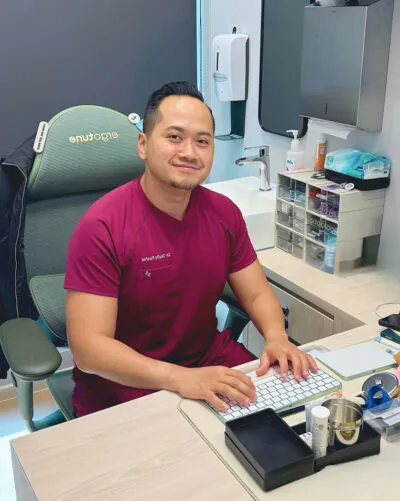
Dr Muhammad Taufiq Rashid
MBBS (NUS)
Member of SASO
Member of SMHS
Member Of ISSM
With over 15 years of experience in clinical practice and healthcare management, Dr Muhammad Taufiq Rashid focuses on men’s health and weight management. He is also a member of the International Society for Sexual Medicine (ISSM), reflecting his continued commitment to men’s wellness.
His care approach incorporates evidence-based medical procedures and tailored solutions designed to meet individual needs.
Dr Taufiq’s professional background spans a range of medical disciplines, equipping him with the knowledge and skills to guide patients in achieving their health goals. He is certified in circumcision techniques using the Shang Ring and ZSR Stapler methods, offering efficient and minimally invasive procedures completed in less than 15 minutes.
Education, Experience & Affiliations
Dr. Taufiq began his medical career as a Medical Officer under MOHH from 2006 to 2014, gaining valuable experience in multidisciplinary healthcare at Alexandra Hospital, KK Hospital, Bright Vision Hospital, and AMK THK Hospital.
From July 2017 to March 2021, he served as Chief Resident Physician at DTAP Clinic Somerset Branch, focusing on men’s health and providing holistic, patient-centered care.
As Medical Director at Pulse Medical Centre from April 2021 to December 2024, Dr. Taufiq led multidisciplinary care and advanced patient-first practices.
He holds certifications in ShangRing Circumcision, ZSR Stapler Circumcision, SCOPE certification, and ShangRing Training (Wuhu, Snnda, 2018). He is also a Certified Trainer for ShangRing Circumcision, ZSR Stapler Circumcision, Touchstone Circumcision, and the Storz T-Top Duolith Shockwave Therapy Machine.
In 2024, he completed the Androcourse under the Society of Men’s Health Singapore. Dr. Taufiq is a member of the Society of Men’s Health Singapore (SMHS), the Singapore Association for the Study of Obesity (SASO), and the International Society of Sexual Medicine (ISSM), reflecting his ongoing commitment to men’s health and weight management.
Make an Enquiry
Got Questions? Please fill in the enquiry form below and we look forward to addressing your question.
Our Location
SBF CENTER MEDICAL SUITES
160 Robinson Rd, #05-05, Singapore 068914
Mon – Thu: 9:00am to 2:00pm, 3:00pm to 6:00pm
Fri: 9:00am to 12:30pm, 2:00pm to 6:00pm
Sat: 9:00am to 1:00pm
Sun & PH: Closed
Fri: 9:00am to 12:30pm, 2:00pm to 6:00pm
Sat: 9:00am to 1:00pm
Sun & PH: Closed
Frequently Asked Questions
Can gonorrhoea resolve on its own without treatment?
No, gonorrhoea cannot resolve on its own and requires antibiotic treatment to eliminate the infection. Without proper treatment, the bacteria can spread and lead to serious complications, such as infertility or systemic infections.
How soon after exposure should I get tested?
Testing is most reliable 5–7 days after exposure, as this allows sufficient time for the bacteria to grow to detectable levels. Testing earlier than this may result in false negative results.
Does treating gonorrhoea make me immune to future infections?
No, successfully treating gonorrhoea does not provide immunity. You can be reinfected if exposed to the bacteria again in the future. Practising safer sexual behaviours is necessary to prevent reinfection.