Hair Loss

Hair loss (alopecia) is a common condition that involves the thinning or complete loss of hair from the scalp or other parts of the body. It can occur gradually or suddenly and may affect people of any age, though it becomes more common with advancing age. While hair loss is often not medically serious, it can have significant effects on self-image and emotional well-being.

Symptoms of Hair Loss

People experiencing hair loss may notice different patterns and signs:

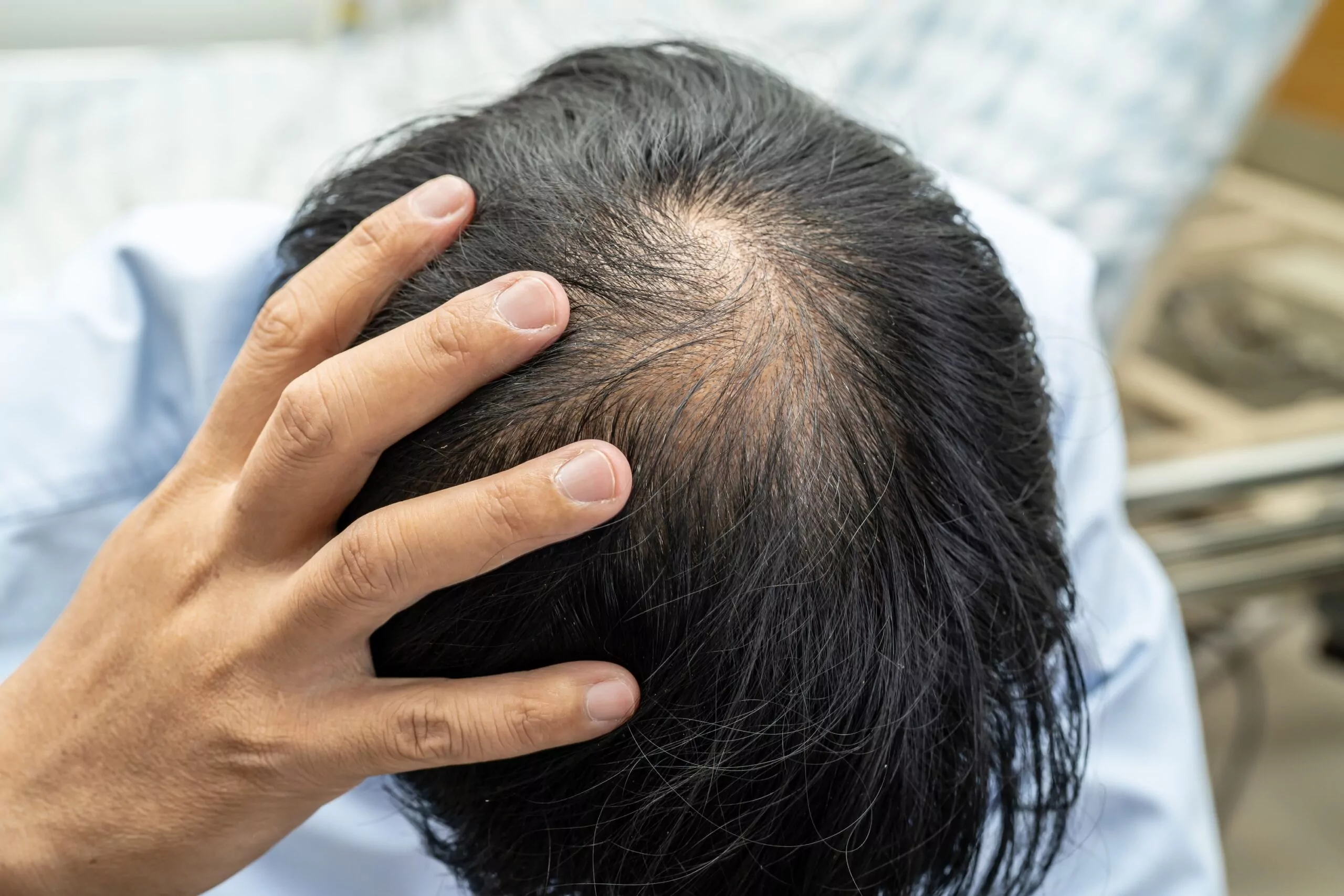
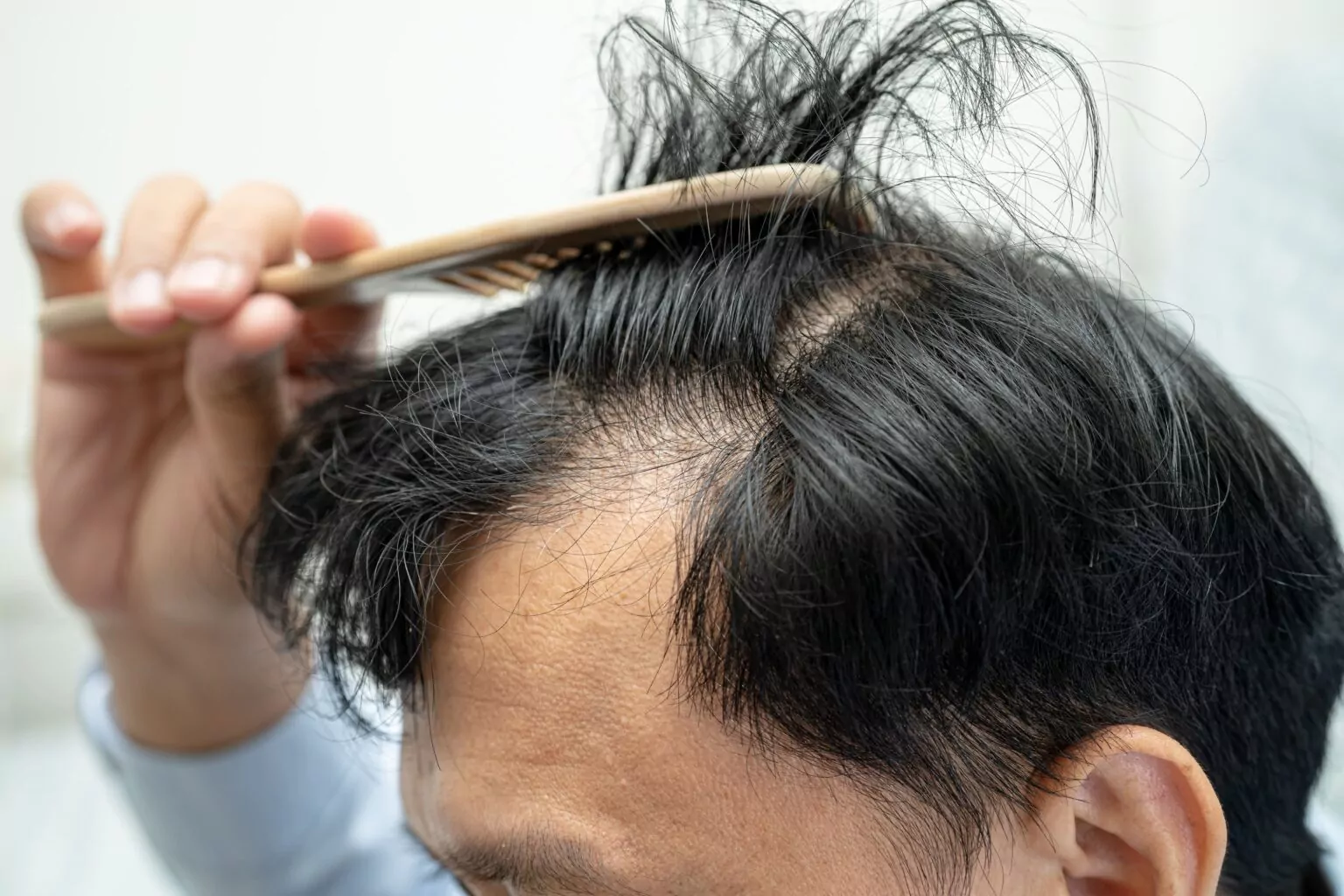
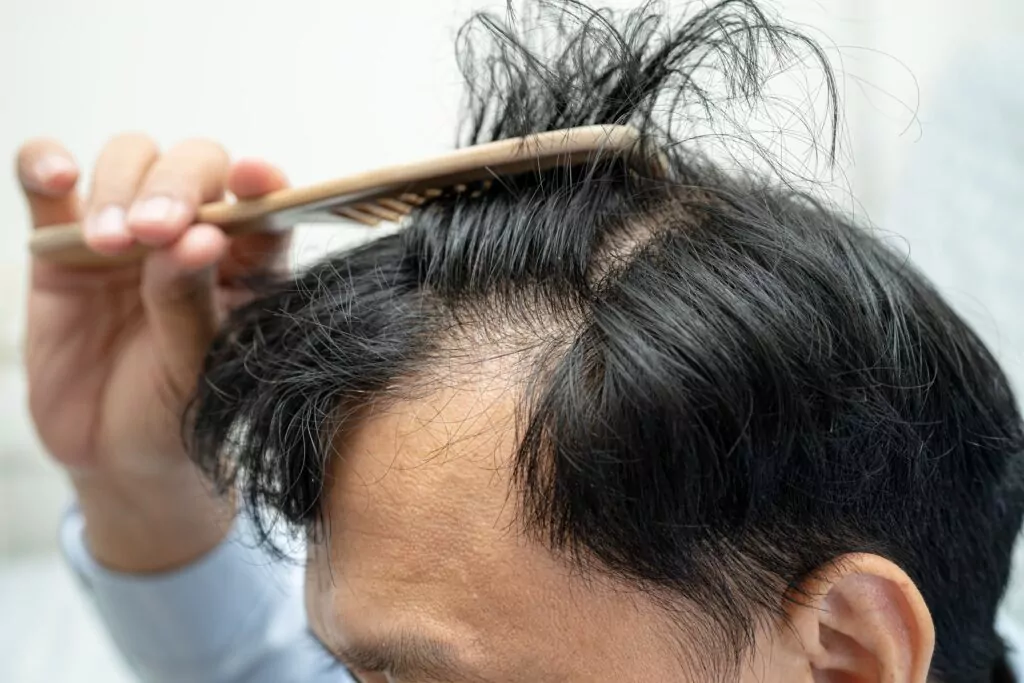
  • Gradual thinning on top of the head: This is the most common type of hair loss in men. The hair often begins to recede from the forehead in an M-shape.
  • Circular or patchy bald spots: Some people experience smooth, coin-sized bald spots on the scalp or other areas of the body. The skin in these areas may feel itchy or painful before the hair falls out.
  • Sudden loosening of hair: Physical or emotional shock can cause hair to loosen. Handfuls of hair might come out when combing or washing, or even with gentle tugging. This typically causes overall hair thinning rather than bald patches.
  • Full-body hair loss: Some conditions and medical treatments can result in the loss of hair all over the body. This is usually temporary.
  • Scalp changes: Redness, scaling, or pain on the scalp may accompany certain types of hair loss.

Causes and Risk Factors

Hair loss can stem from various factors:

  • Family history (heredity)

    The most common cause of hair loss is a hereditary condition called male-pattern baldness. It typically occurs gradually with aging and in predictable patterns.

  • Stressful events

    Many people experience temporary hair thinning several months after a physical or emotional shock. Examples include significant weight loss, surgery, illness, or periods of intense stress.

  • Hairstyles and treatments

    Hairstyles that pull hair tight, such as pigtails or cornrows, can cause traction alopecia. Harsh treatments like hot oil applications or chemical perms can cause inflammation of hair follicles that leads to hair loss. If scarring occurs, hair loss could be permanent.

  • Ageing

    With age, hair growth slows. Hair follicles stop producing new hairs, and existing hairs become finer.
Types of Hair Loss

Hair loss can present in several distinct patterns and forms:

Androgenetic alopecia

This hereditary form includes male-pattern baldness. In men, it typically begins with a receding hairline and thinning crown.

Telogen effluvium

A temporary condition where stress, shock, or trauma pushes hair follicles into a resting phase. The affected hairs fall out suddenly when combing or washing hair.

Traction alopecia

Gradual hair loss caused by pulling force being applied to hair. This commonly results from certain hairstyles like tight ponytails, braids, or extensions worn consistently over time.

Diagnostic Methods

Accurate diagnosis is key to effective treatment. Common assessments include:

Medical history assessment: The doctor will ask about your family history of hair loss, medical conditions, medications, diet, hair care routines, and recent life events that might contribute to hair loss.

Physical examination: A thorough scalp examination evaluates the pattern of hair loss, signs of inflammation or infection, and the quality of remaining hair.

Dermoscopy: Using a handheld device with a magnifying lens and light source, the doctor examines the scalp and hair follicles in detail to identify specific patterns associated with different types of hair loss.

Hair pull test: The doctor gently pulls on about 40-60 hairs to see how many come out. This helps determine if you’re experiencing active hair shedding.

Are your symptoms affecting your quality of life?

Consult our MOH-accredited specialist for a personalised treatment plan today.

Treatment Options

Non-Surgical Treatment

Several options may be recommended to slow or reverse hair loss:

  • Medications: Prescription medications like finasteride work by blocking the hormone responsible for male pattern baldness, while minoxidil (applied topically) can stimulate hair growth and slow balding. In some cases, oral minoxidil may be beneficial.
  • Platelet-Rich Plasma (PRP) therapy: This treatment involves drawing blood, processing it to concentrate the platelets, and injecting this platelet-rich plasma into the scalp to stimulate hair growth.
  • Low-Level Laser Therapy (LLLT): Special devices emit low-power laser light that may stimulate cellular activity and improve hair density. These treatments can be administered in-clinic or with at-home devices.
  • Mesotherapy: Fine injections of vitamins, minerals, amino acids, and medications directly into the scalp can nourish hair follicles and promote growth in thinning areas.
  • Scalp micropigmentation: This technique involves depositing pigment into the scalp to create the appearance of very short hair follicles, giving the illusion of a fuller head of hair.

Surgical Treatment

For more extensive or permanent solutions, surgical options can restore hair to balding or thinning areas:

  • Follicular Unit Transplantation (FUT): This technique involves removing a strip of scalp from a donor area (usually the back of the head) and dissecting it into individual follicular units for transplantation. These units are then placed into tiny recipient sites in balding areas.
  • Follicular Unit Extraction (FUE): Rather than removing a strip, FUE involves harvesting individual follicular units directly from the donor area using a specialised punch tool.
  • Direct Hair Implantation (DHI): An advanced form of FUE where extracted hair follicles are loaded into an implanter tool and inserted directly into the recipient area.

Prevention and Management

While genetic hair loss cannot always be prevented, several approaches can help manage the condition. These include avoiding hairstyles that pull on hair roots, minimising heat and harsh chemical treatments, following a healthy lifestyle, managing stress, and seeking prompt treatment for scalp infections or skin conditions. Early intervention when hair loss is first noticed typically offers the best chance for successful management.

Dr Muhammad Taufiq Rashid

MBBS (NUS)

Member of SASO

Member of SMHS

Member Of ISSM

With over 15 years of experience in clinical practice and healthcare management, Dr Muhammad Taufiq Rashid focuses on men’s health and weight management. He is also a member of the International Society for Sexual Medicine (ISSM), reflecting his continued commitment to men’s wellness.

His care approach incorporates evidence-based medical procedures and tailored solutions designed to meet individual needs.

Dr Taufiq’s professional background spans a range of medical disciplines, equipping him with the knowledge and skills to guide patients in achieving their health goals. He is certified in circumcision techniques using the Shang Ring and ZSR Stapler methods, offering efficient and minimally invasive procedures completed in less than 15 minutes.

Education, Experience & Affiliations

Dr. Taufiq began his medical career as a Medical Officer under MOHH from 2006 to 2014, gaining valuable experience in multidisciplinary healthcare at Alexandra Hospital, KK Hospital, Bright Vision Hospital, and AMK THK Hospital.

From July 2017 to March 2021, he served as Chief Resident Physician at DTAP Clinic Somerset Branch, focusing on men’s health and providing holistic, patient-centered care.

As Medical Director at Pulse Medical Centre from April 2021 to December 2024, Dr. Taufiq led multidisciplinary care and advanced patient-first practices.

He holds certifications in ShangRing Circumcision, ZSR Stapler Circumcision, SCOPE certification, and ShangRing Training (Wuhu, Snnda, 2018). He is also a Certified Trainer for ShangRing Circumcision, ZSR Stapler Circumcision, Touchstone Circumcision, and the Storz T-Top Duolith Shockwave Therapy Machine.

In 2024, he completed the Androcourse under the Society of Men’s Health Singapore. Dr. Taufiq is a member of the Society of Men’s Health Singapore (SMHS), the Singapore Association for the Study of Obesity (SASO), and the International Society of Sexual Medicine (ISSM), reflecting his ongoing commitment to men’s health and weight management.

Make an Enquiry

Got Questions? Please fill in the enquiry form below and we look forward to addressing your question.

    Our Location

    SBF CENTER MEDICAL SUITES
    160 Robinson Rd, #05-05, Singapore 068914

    Mon – Thu: 9:00am to 2:00pm, 3:00pm to 6:00pm
    Fri: 9:00am to 12:30pm, 2:00pm to 6:00pm
    Sat: 9:00am to 1:00pm
    Sun & PH: Closed

    Frequently Asked Questions

    Will my hair loss continue to worsen?

    It depends on the cause. Genetic hair loss typically progresses gradually without treatment, while temporary forms due to stress or illness may resolve naturally. Early assessment allows for timely intervention.

    How long before I see results from treatments?

    Most non-surgical treatments require 3-6 months of consistent use before noticeable improvement. For hair transplantation, new growth begins around 3-4 months and continues to improve over 12-18 months.

    Do hats cause hair loss?

    No, regular hat-wearing has no effect on hair follicles or growth cycles. Only extremely tight headwear that causes constant pulling might contribute to traction alopecia.

    Is transplanted hair permanent?

    Transplanted hair follicles from the back and sides of the scalp are genetically resistant to balding and typically continue to grow throughout life. However, existing hair in other areas may continue to thin, so additional procedures might be needed as you age.