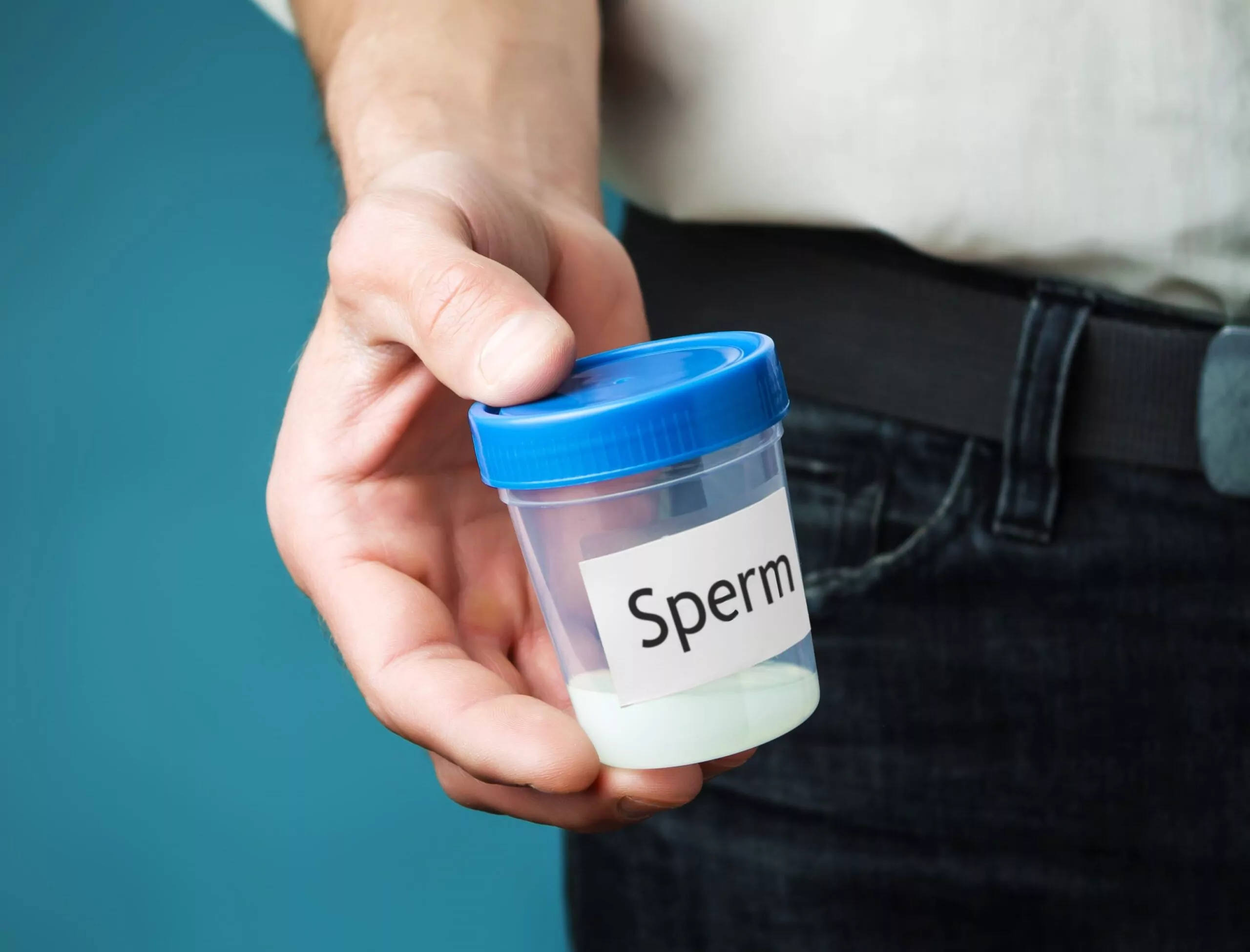
Semen Analysis

Semen analysis is a diagnostic test that examines the quantity and quality of a man’s sperm to evaluate reproductive health. It measures factors such as sperm count, motility, morphology, and semen volume to assess fertility potential. This test is commonly used in the early stages of fertility evaluation for couples experiencing difficulty conceiving and plays a key role in guiding further diagnostic or treatment steps.

Indications for Semen Analysis

Semen analysis may be advised in several clinical situations to assess male reproductive function:

Fertility planning: Men considering parenthood may undergo a semen analysis to check sperm parameters before trying to conceive.

Infertility evaluation: For couples unable to conceive after 12 months of unprotected sex, semen analysis is a core component of the fertility workup.

Post-vasectomy confirmation: After a vasectomy, semen analysis confirms that no sperm remains in the ejaculate.

Monitoring fertility treatment: Men receiving fertility treatments may require repeat semen tests to monitor progress and guide treatment decisions.

Cancer treatment monitoring: Men undergoing chemotherapy, radiotherapy, or surgery that may affect fertility may have semen analysis before and after treatment to assess the impact on sperm function.

Benefits of Semen Analysis

Semen analysis offers several benefits in evaluating and managing male fertility:

  • Identifying Fertility Issues

    Semen analysis detects abnormalities in sperm parameters that may affect conception. It reveals problems with sperm production, function or transport that could otherwise remain undiscovered.

  • Guiding Treatment Approaches

    Results from semen analysis direct clinicians toward appropriate treatment options tailored to specific sperm abnormalities. The findings determine whether lifestyle modifications, medication, surgical intervention or assisted reproductive techniques would be most suitable.

  • Monitoring Treatment Progress

    Repeat semen analyses track improvements in sperm parameters during treatment. These comparative results provide objective measures of treatment effectiveness and guide decisions about continuing or modifying treatment plans.
Laboratory Methods for Semen Analysis

Several techniques are used to provide a comprehensive evaluation:

Standard Microscopy

Technicians examine the sample under a microscope to assess:

  • Sperm count: The number of sperm per millilitre of semen.
  • Motility: The percentage of sperm that are moving and how efficiently they move.
  • Morphology: The shape and structure of sperm, assessed using specific staining techniques.

Computer-Assisted Semen Analysis (CASA)

This automated system uses imaging software to measure sperm movement patterns more accurately and consistently than manual methods. CASA helps reduce observer variability and improves precision, particularly in motility and movement analysis.

Preparing for Semen Analysis

  • Sample Collection Guidelines

    Men should abstain from ejaculation for 2-5 days before producing a sample for analysis. This standardised abstinence period helps ensure consistent results by allowing sperm to accumulate while preventing the sample from containing aged sperm.

  • Health and Medication Review

    Patients should inform their healthcare provider about current medications, supplements, and recent illnesses prior to semen analysis.

  • Lifestyle Considerations

    Patients may be advised to avoid alcohol, tobacco, recreational drugs, and excessive heat exposure for several weeks before the test. These factors can temporarily alter sperm production and quality, potentially affecting test results.

  • Planned Sample Collection

    Most facilities require the sample to be delivered within 30-60 minutes of collection to prevent degradation from temperature changes and time exposure. Arrangements should be made to ensure prompt delivery to the laboratory, with some clinics offering on-site collection rooms to eliminate transport concerns.

Step-by-Step Procedure

Pre-Analysis Preparation

The laboratory processes the semen sample upon receipt, allowing it to liquefy at room temperature for 15-30 minutes. Laboratory staff record the time of collection, delivery, and liquefaction to ensure procedural standards are maintained and to account for any deviations that might affect results.

Macroscopic Examination

The laboratory technician evaluates the physical characteristics of the sample including volume, viscosity, pH, and appearance:

  • Volume: Usually between 1.5 and 5 millilitres.
  • Viscosity and pH: Assessed for consistency and acidity, which may indicate infections or blockages.
  • Appearance: Normal semen is typically white or grey and opalescent.

Sperm Concentration Assessment

This stage involves detailed visual assessment of sperm count, movement, and structure under magnification.

  • Sperm concentration: Calculated manually or with CASA, measuring sperm per millilitre.
  • Motility: Categorised into progressively motile, non-progressive, or immotile.
  • Morphology: Assessed under strict WHO guidelines; even fertile men may have a relatively low percentage of perfectly shaped sperm.

Are your symptoms affecting your quality of life?

Consult our MOH-accredited specialist for a personalised treatment plan today.

Post-Procedure Care and Recovery

Results Interpretation

A fertility specialist will review the findings and explain how they compare to normal reference values. Even if some values fall below the standard range, it doesn’t always mean infertility, especially if female partner factors are favourable.

Follow-up Testing

Because sperm parameters can vary naturally, repeat testing after 2–3 months is often recommended to confirm findings.

Specialist Referral

Men with persistently abnormal results may be referred to a male fertility specialist for further investigation.

Lifestyle Modifications

Based on semen analysis results, recommendations may be provided regarding health habits that could improve sperm parameters. These might include:

  • Quitting smoking or alcohol
  • Managing weight and stress
  • Avoiding heat exposure to the groin
  • Increasing intake of antioxidant-rich foods or supplements

Potential Risks and Complications

Semen analysis is a non-invasive diagnostic procedure with minimal risks or side effects. Some men may experience psychological discomfort or anxiety related to producing a sample on demand, particularly in clinical settings.

The main limitation of semen analysis relates to result interpretation rather than procedural risks, as a single test provides a snapshot of sperm parameters that naturally fluctuate over time. Abnormal results require confirmation through repeat testing before conclusions about fertility status can be drawn.

Dr Muhammad Taufiq Rashid

MBBS (NUS)

Member of SASO

Member of SMHS

Member Of ISSM

With over 15 years of experience in clinical practice and healthcare management, Dr Muhammad Taufiq Rashid focuses on men’s health and weight management. He is also a member of the International Society for Sexual Medicine (ISSM), reflecting his continued commitment to men’s wellness.

His care approach incorporates evidence-based medical procedures and tailored solutions designed to meet individual needs.

Dr Taufiq’s professional background spans a range of medical disciplines, equipping him with the knowledge and skills to guide patients in achieving their health goals. He is certified in circumcision techniques using the Shang Ring and ZSR Stapler methods, offering efficient and minimally invasive procedures completed in less than 15 minutes.

Education, Experience & Affiliations

Dr. Taufiq began his medical career as a Medical Officer under MOHH from 2006 to 2014, gaining valuable experience in multidisciplinary healthcare at Alexandra Hospital, KK Hospital, Bright Vision Hospital, and AMK THK Hospital.

From July 2017 to March 2021, he served as Chief Resident Physician at DTAP Clinic Somerset Branch, focusing on men’s health and providing holistic, patient-centered care.

As Medical Director at Pulse Medical Centre from April 2021 to December 2024, Dr. Taufiq led multidisciplinary care and advanced patient-first practices.

He holds certifications in ShangRing Circumcision, ZSR Stapler Circumcision, SCOPE certification, and ShangRing Training (Wuhu, Snnda, 2018). He is also a Certified Trainer for ShangRing Circumcision, ZSR Stapler Circumcision, Touchstone Circumcision, and the Storz T-Top Duolith Shockwave Therapy Machine.

In 2024, he completed the Androcourse under the Society of Men’s Health Singapore. Dr. Taufiq is a member of the Society of Men’s Health Singapore (SMHS), the Singapore Association for the Study of Obesity (SASO), and the International Society of Sexual Medicine (ISSM), reflecting his ongoing commitment to men’s health and weight management.

Make An Enquiry

Got Questions? Please fill in the enquiry form below and we look forward to addressing your question.

    Our Location

    SBF CENTER MEDICAL SUITES
    160 Robinson Rd, #05-05, Singapore 068914

    Mon – Thu: 9:00am to 2:00pm, 3:00pm to 6:00pm
    Fri: 9:00am to 12:30pm, 2:00pm to 6:00pm
    Sat: 9:00am to 1:00pm
    Sun & PH: Closed

    Frequently Asked Questions

    How accurate is semen analysis in predicting fertility?

    Semen analysis provides valuable information about male fertility potential but does not definitively predict the ability to conceive. The test should be interpreted as one component of a comprehensive fertility evaluation rather than a definitive fertility assessment.

    Does the collection method affect semen analysis results?

    The method of collection can influence certain aspects of the analysis. Masturbation directly into a sterile container provided by the laboratory is generally recommended as it yields the most reliable results. Incomplete collection can significantly impact results.

    What semen parameters are most predictive of fertility potential?

    While all standard parameters provide relevant information, total motile sperm count (the product of volume, concentration, and percentage of motile sperm) correlates most strongly with fertility outcomes. Progressive motility—the proportion of sperm moving efficiently forward—also serves as a particularly valuable predictor.

    Sperm morphology, though relevant, has a less direct relationship with fertility except in cases of severe abnormalities where the percentage of normal forms falls below 1%.