Anal Fissures

An anal fissure is a tear in the skin around the anus or an open sore (ulcer) that causes pain, bleeding, and discomfort during bowel movements. These fissures are relatively common among men, often linked to bowel habits, such as straining or constipation, and other conditions that irritate the anal canal.

Symptoms of Anal Fissures

Men with anal fissures commonly experience a range of symptoms, which can vary in intensity depending on the severity of the condition:

  • Pain During Bowel Movements

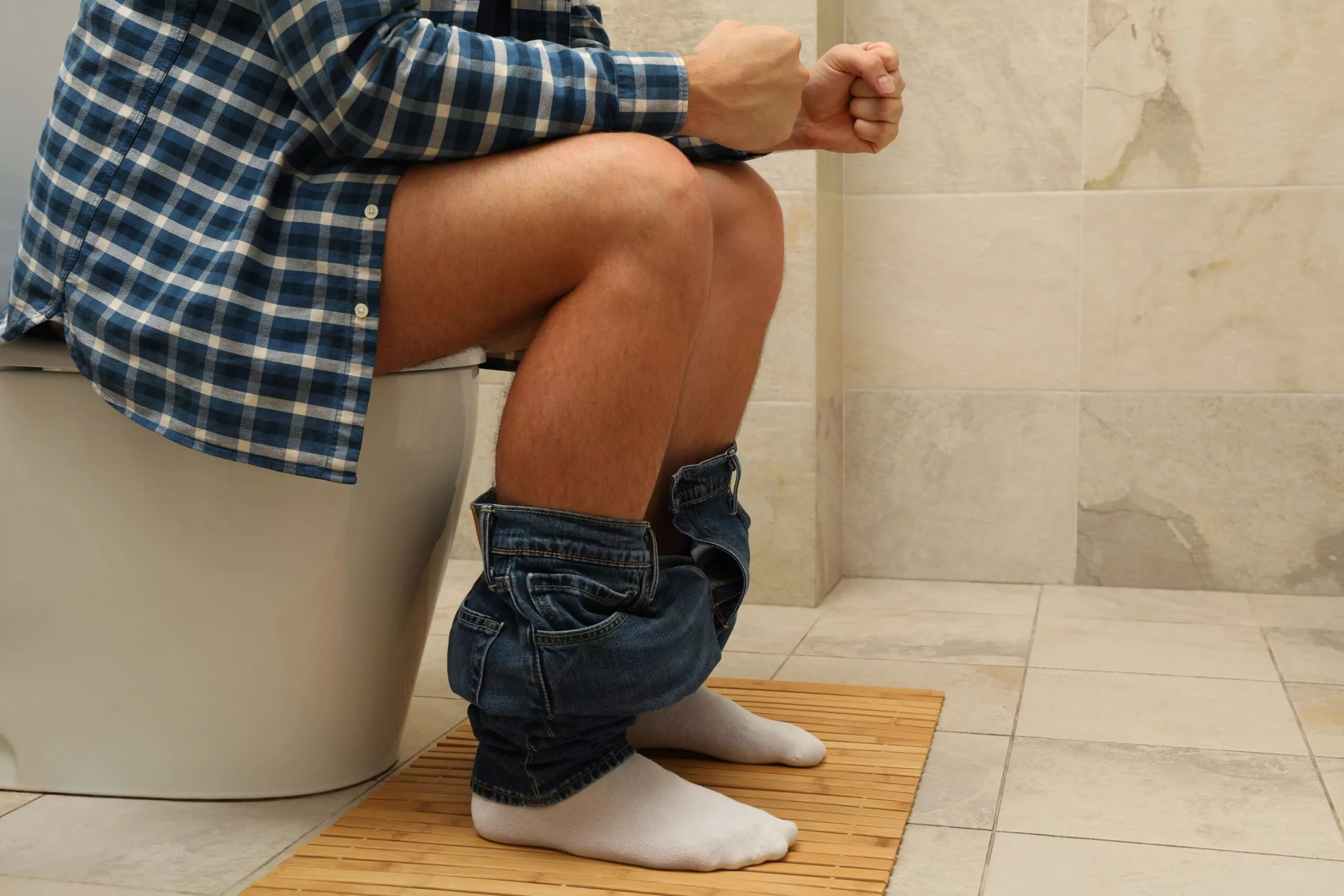
    A sharp, stinging, or burning pain that occurs during defecation and may persist for hours afterwards.

  • Bleeding

    Small amounts of bright red blood may be seen on toilet paper, on the surface of the stool, or in the toilet bowl after a bowel movement. The bleeding is usually light and associated with irritation of the fissure.

  • Visible Tear or Ulcer

    A small crack, tear, or sore may be visible around the anal opening. In most cases, the fissure is located along the posterior midline of the anus.

  • Itching and Irritation

    The inflamed tissue around the fissure may cause a persistent itching or tingling sensation, which can be exacerbated by bowel movements or prolonged sitting.

  • Difficulty Passing Stools

    Pain and muscle spasms in the anal sphincter can make defecation challenging and uncomfortable, often leading to further straining and aggravation of the fissure.

  • Swelling or Tenderness

    The area around the fissure may feel tender, swollen, or inflamed, particularly after bowel movements.
Causes and Risk Factors

Anal fissures in men can occur due to various factors that strain or damage the anal canal. Common causes include:

Constipation and Straining

Passing hard or large stools, along with straining during bowel movements, is one of the most common causes of anal fissures. Chronic constipation increases the likelihood of repeated tears.

Physical Trauma

This includes anal sex or aggressive cleaning of the anal area, both of which can cause direct injury to the skin around the anus.

Sexually Transmitted Infections (STIs)

Certain infections, such as herpes or syphilis, can cause ulceration, sores, or inflammation, which may result in fissures.

Diarrhoea

Frequent loose stools irritate the anal skin, weakening its structure and increasing susceptibility to tears.

Inflammatory Bowel Diseases

Chronic conditions such as Crohn’s disease can lead to inflammation and make the anal area more prone to fissures.

Diagnosis of Anal Fissures

  • Physical Examination: A visual inspection of the anal area is usually enough to identify an anal fissure, typically seen as a small tear or crack at the posterior midline. Inflammation, swelling, or skin tags may also be noted, with care taken to minimise discomfort.
  • Anoscopy: In some cases, an anoscope is used to examine the anal canal more thoroughly. This procedure is usually performed with a topical anaesthetic to reduce discomfort and allows the doctor to assess the depth and extent of the fissure.
  • Medical History Review: A discussion about symptoms, bowel habits, recent changes, and sexual practices helps identify potential underlying causes, such as chronic constipation or STIs.
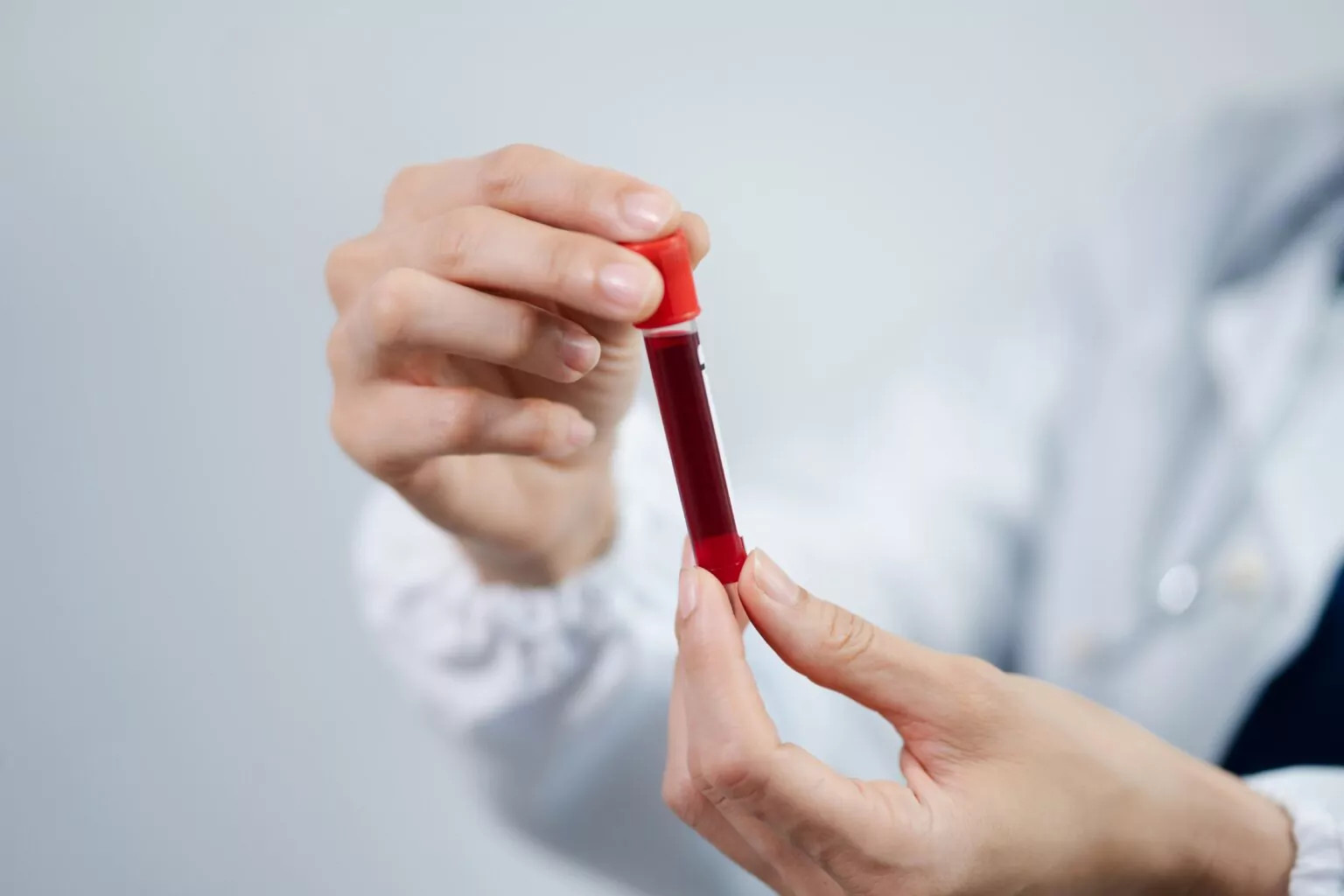
  • STI Testing: If an infection is suspected, tests such as rectal swabs, blood tests, or biopsies may be conducted to confirm the diagnosis.

Are your symptoms affecting your quality of life?

Consult our MOH-accredited specialist for a personalised treatment plan today.

Treatment Options

Treatment for anal fissures focuses on relieving symptoms, promoting healing, and preventing recurrence, with options ranging from non-invasive methods to surgical procedures for more persistent cases.

Non-Surgical Treatment

  • Lifestyle Modifications: A diet rich in fibre, adequate hydration, and regular physical activity promote softer stools and reduce the strain during bowel movements. Patients are advised to avoid delaying defecation and to use proper posture when using the toilet.
  • Topical Medications: Medicated ointments, such as calcium channel blockers, nitrates, or rectogesics, are used to relax the anal sphincter and improve blood flow to the affected area, aiding healing. These are typically applied several times a day for a few weeks.
  • Botulinum Toxin Injections: Botox injections are used to relax the anal sphincter temporarily, allowing the fissure to heal. This treatment may be considered for patients who are not suitable candidates for surgery.

Surgical Treatment

  • Lateral Internal Sphincterotomy (LIS): This procedure involves partially cutting the internal anal sphincter to relieve pressure and promote healing. LIS is commonly performed for chronic fissures that do not respond to conservative treatments. Most patients recover within 6-8 weeks.

Anal Fissures and STIs in Men

In men, anal fissures can sometimes be caused or worsened by sexually transmitted infections (STIs) such as herpes, syphilis, gonorrhoea, chlamydia, and HPV. These infections can result in sores, ulcers, irritation, or lesions that weaken or damage the anal lining, increasing the risk of fissures. Men experiencing fissure symptoms linked to an STI should seek medical advice for accurate diagnosis and testing. Treating the underlying infection is necessary for managing the fissure and avoiding further complications.

Prevention and Management

To reduce the risk of anal fissures, maintain a high-fibre diet, stay hydrated, and exercise regularly to support healthy bowel movements. Avoid straining during defecation, respond promptly to bowel urges, and practice good hygiene to minimise irritation. Seeking medical advice for persistent symptoms or infections ensures timely treatment and reduces the risk of recurrence.

Dr Muhammad Taufiq Rashid

MBBS (NUS)

Member of SASO

Member of SMHS

Member Of ISSM

With over 15 years of experience in clinical practice and healthcare management, Dr Muhammad Taufiq Rashid focuses on men’s health and weight management. He is also a member of the International Society for Sexual Medicine (ISSM), reflecting his continued commitment to men’s wellness.

His care approach incorporates evidence-based medical procedures and tailored solutions designed to meet individual needs.

Dr Taufiq’s professional background spans a range of medical disciplines, equipping him with the knowledge and skills to guide patients in achieving their health goals. He is certified in circumcision techniques using the Shang Ring and ZSR Stapler methods, offering efficient and minimally invasive procedures completed in less than 15 minutes.

Education, Experience & Affiliations

Dr. Taufiq began his medical career as a Medical Officer under MOHH from 2006 to 2014, gaining valuable experience in multidisciplinary healthcare at Alexandra Hospital, KK Hospital, Bright Vision Hospital, and AMK THK Hospital.

From July 2017 to March 2021, he served as Chief Resident Physician at DTAP Clinic Somerset Branch, focusing on men’s health and providing holistic, patient-centered care.

As Medical Director at Pulse Medical Centre from April 2021 to December 2024, Dr. Taufiq led multidisciplinary care and advanced patient-first practices.

He holds certifications in ShangRing Circumcision, ZSR Stapler Circumcision, SCOPE certification, and ShangRing Training (Wuhu, Snnda, 2018). He is also a Certified Trainer for ShangRing Circumcision, ZSR Stapler Circumcision, Touchstone Circumcision, and the Storz T-Top Duolith Shockwave Therapy Machine.

In 2024, he completed the Androcourse under the Society of Men’s Health Singapore. Dr. Taufiq is a member of the Society of Men’s Health Singapore (SMHS), the Singapore Association for the Study of Obesity (SASO), and the International Society of Sexual Medicine (ISSM), reflecting his ongoing commitment to men’s health and weight management.

Make an Enquiry

Got Questions? Please fill in the enquiry form below and we look forward to addressing your question.

    Our Location

    SBF CENTER MEDICAL SUITES
    160 Robinson Rd, #05-05, Singapore 068914

    Mon – Thu: 9:00am to 2:00pm, 3:00pm to 6:00pm
    Fri: 9:00am to 12:30pm, 2:00pm to 6:00pm
    Sat: 9:00am to 1:00pm
    Sun & PH: Closed

    Frequently Asked Questions

    How can I reduce pain during bowel movements?

    You can reduce pain by applying topical anaesthetic creams, soaking in warm sitz baths for 10–20 minutes after bowel movements, and maintaining soft stools through a high-fibre diet, adequate hydration, or stool softeners. Avoiding straining during defecation also helps alleviate discomfort.

    Are anal fissures contagious?

    No, anal fissures themselves are not contagious as they result from trauma or irritation. However, if the fissure is linked to an STI, the infection causing it may be transmissible through sexual contact.

    How long does it take for an anal fissure to heal?

    Acute fissures typically heal within a few weeks with non-surgical treatments such as dietary adjustments and medications. Chronic fissures may take longer and may require additional treatments, including surgery.