


Chlamydia is a common bacterial infection that may not cause symptoms in its early stages. When present, symptoms can include discharge from the penis, testicular discomfort, or pain when urinating. If untreated, it can lead to complications such as epididymitis and reduced fertility.
STD Treatment
Sexually transmitted diseases (STDs) are infections passed through sexual contact, including vaginal, anal, and oral sex. Many STDs show few or no symptoms in the early stages, which can delay diagnosis. Seeking medical care early helps reduce the risk of long-term complications and limits further transmission.
Common STDs We Treat
Chlamydia
Gonorrhoea
Gonorrhoea is caused by Neisseria gonorrhoeae bacteria and may affect the urethra, rectum, or throat. Symptoms in men may include painful urination and thick penile discharge. Left untreated, it can lead to inflammation in the reproductive tract or joint problems.
Syphilis
Syphilis develops in stages. The initial stage may involve a painless sore, followed by skin rashes or other systemic symptoms. Without treatment, it can affect organs including the brain, nerves, and heart in later stages.
Herpes Simplex Virus (HSV)
HSV can cause painful genital or anal sores and tends to recur over time. The virus remains in the body indefinitely, and some individuals may experience repeated outbreaks or asymptomatic viral shedding, which can still transmit the virus to partners.
Human Papillomavirus (HPV)
HPV is a group of viruses that can cause genital warts or increase the risk of certain cancers, including those of the penis and anus. Some strains clear naturally, while others persist and may lead to complications if not monitored.
Human Immunodeficiency Virus (HIV)
HIV progressively weakens the immune system by targeting specific white blood cells. In its early stages, it may present with flu-like symptoms or remain asymptomatic. If untreated, it can progress to AIDS, increasing vulnerability to infections and certain cancers.
Our Treatment Process
-
Private Consultation
You will meet with your doctor in a confidential setting to discuss your medical history, symptoms, and any recent sexual exposure. This step helps identify which tests are necessary.
-
Testing and Diagnosis
Depending on your presentation and risk factors, tests may include urine samples, blood tests, swabs, or physical examinations. Most results are available within a few working days.
-
Discussion of Results
Your doctor will explain the test findings clearly and address any concerns. If an infection is identified, you will be advised on treatment options and what to expect during recovery.
-
Treatment and Follow-up
Treatment typically starts immediately. This may involve antibiotics for bacterial infections or antivirals for viral infections. A follow-up may be arranged to assess your response or to repeat testing.
-
Partner Notification and Advice
In some cases, it may be appropriate to notify recent sexual partners so they can be tested and treated. Your doctor can guide you through this process discreetly and offer support if required.
Treatment Options
Antibiotics
Used to treat bacterial STDs such as chlamydia, gonorrhoea, and syphilis. The specific antibiotic and duration of treatment will depend on the infection and its severity. Adherence to the full course is necessary to ensure resolution.
Antiviral Medication
These are prescribed for viral infections like herpes and HIV. Antivirals can help suppress outbreaks, manage symptoms, and reduce the risk of transmission. Long-term use may be required for some infections.
Vaccinations
Vaccines are available for HPV and hepatitis B. These can reduce the risk of infection from certain strains that are linked to genital warts or long-term complications such as cancer.
Regular Monitoring
Follow-up care may involve repeat testing to confirm the infection has cleared or to monitor viral load in long-term conditions like HIV. This helps adjust treatment plans when needed.
Screening Packages
All Packages are non-refundable. Price stated below is after GST charge of 9%.
STI-14 + RAPID HIV + SYPHILIS
STI Screening (PCR)
$450
- Chlamydia trachomatis
- Neisseria gonorrhoeae
- Mycoplasma genitalium
- Mycoplasma hominis
- Trichomonas vaginalis
- Ureaplasma urealyticum
- Ureaplasma parvum
- Cytomegalovirus (CMV)
- Haemophilus ducreyi (HD)
- Herpes simplex virus type 1 (HSV1)
- Herpes simplex virus type 2 (HSV2)
- Lymphogranuloma venereum (LGV)
- Treponema pallidum (TP)
- Varicella-zoster virus (VZV)
- Rapid HIV
- Rapid Syphilis / VDRL
TAF 1
STI Screening (Blood)
$120
- Hepatitis Profile
- Hepatitis Bs Antigen (HBsAg)
- STD Profile
- HSV TYPE 1&2 IgG AB
- VD SyphilisTP Antibody
- RPR & TPLA (If Syphilis Reactive)
- HIV AG/AB
Are your symptoms affecting your quality of life?
Consult our MOH-accredited specialist for a personalised treatment plan today.
Prevention of STDs
Condom Use
Correct and consistent use of condoms can reduce the risk of acquiring or transmitting STDs. They are effective against many infections, including HIV, gonorrhoea, and chlamydia.
Vaccinations
Receiving recommended vaccines, such as the HPV or hepatitis B vaccine, can reduce the risk of infection and related complications. These are available for individuals who meet certain criteria.
Regular Testing
Routine STD screening is recommended for sexually active individuals, particularly those with new or multiple partners. Early detection can help prevent complications and limit further spread.
Frequently As
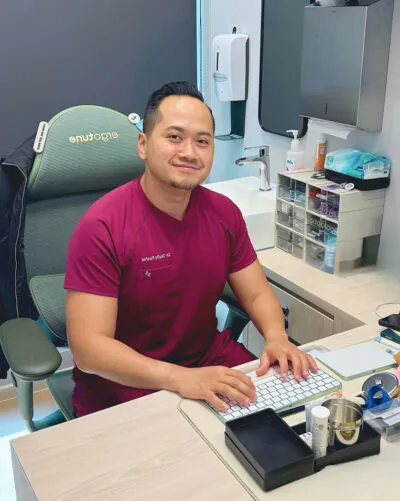
Dr Muhammad Taufiq Rashid
MBBS (NUS)
Member of SASO
Member of SMHS
Member Of ISSM
With over 15 years of experience in clinical practice and healthcare management, Dr Muhammad Taufiq Rashid focuses on men’s health and weight management. He is also a member of the International Society for Sexual Medicine (ISSM), reflecting his continued commitment to men’s wellness.
His care approach incorporates evidence-based medical procedures and tailored solutions designed to meet individual needs.
Dr Taufiq’s professional background spans a range of medical disciplines, equipping him with the knowledge and skills to guide patients in achieving their health goals. He is certified in circumcision techniques using the Shang Ring and ZSR Stapler methods, offering efficient and minimally invasive procedures completed in less than 15 minutes.
Education, Experience & Affiliations
Dr. Taufiq began his medical career as a Medical Officer under MOHH from 2006 to 2014, gaining valuable experience in multidisciplinary healthcare at Alexandra Hospital, KK Hospital, Bright Vision Hospital, and AMK THK Hospital.
From July 2017 to March 2021, he served as Chief Resident Physician at DTAP Clinic Somerset Branch, focusing on men’s health and providing holistic, patient-centered care.
As Medical Director at Pulse Medical Centre from April 2021 to December 2024, Dr. Taufiq led multidisciplinary care and advanced patient-first practices.
He holds certifications in ShangRing Circumcision, ZSR Stapler Circumcision, SCOPE certification, and ShangRing Training (Wuhu, Snnda, 2018). He is also a Certified Trainer for ShangRing Circumcision, ZSR Stapler Circumcision, Touchstone Circumcision, and the Storz T-Top Duolith Shockwave Therapy Machine.
In 2024, he completed the Androcourse under the Society of Men’s Health Singapore. Dr. Taufiq is a member of the Society of Men’s Health Singapore (SMHS), the Singapore Association for the Study of Obesity (SASO), and the International Society of Sexual Medicine (ISSM), reflecting his ongoing commitment to men’s health and weight management.
Make an Enquiry
Got Questions? Please fill in the enquiry form below and we look forward to addressing your question.
Our Location
SBF CENTER MEDICAL SUITES
160 Robinson Rd, #05-05, Singapore 068914
Mon – Thu: 9:00am to 2:00pm, 3:00pm to 6:00pm
Fri: 9:00am to 12:30pm, 2:00pm to 6:00pm
Sat: 9:00am to 1:00pm
Sun & PH: Closed
Fri: 9:00am to 12:30pm, 2:00pm to 6:00pm
Sat: 9:00am to 1:00pm
Sun & PH: Closed
Frequently Asked Questions
Can STDs resolve without treatment?
Some STDs, such as certain strains of HPV, may clear naturally. However, bacterial infections like chlamydia and gonorrhoea require antibiotics. Leaving infections untreated can lead to complications or transmission to others.
Can I be reinfected with the same STD?
Yes, it is possible to be reinfected after treatment if you are exposed again. Treatment does not make you immune, so regular protection and screening remain necessary.
Should my partner get tested too?
Yes. If you have been diagnosed with an STD, your recent partners should be tested. Treating both partners reduces the risk of reinfection or spreading the infection further.