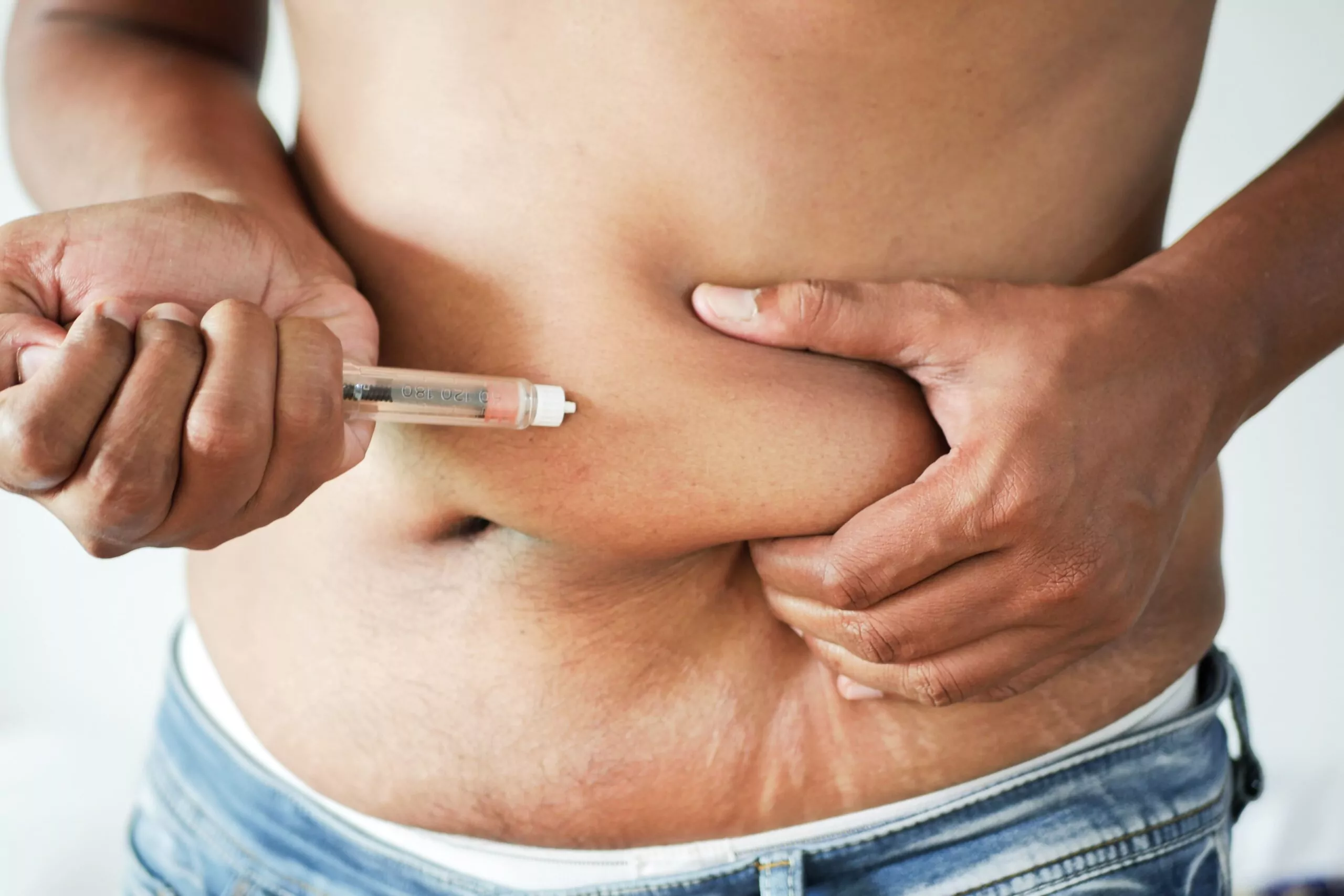
Weight Loss Injection Singapore

Prescription medications such as Semaglutide, Tirzepatide, and oral Semaglutide are used under medical supervision to assist in weight management. When paired with structured lifestyle changes, they can support safe and sustainable weight loss in individuals who meet clinical criteria.

What Are Weight Loss Injections?

Prescribed weight loss injections work by targeting gut derived hormones that regulate appetite, digestion, and blood sugar. These medications primarily activate GLP 1 (glucagon like peptide 1), a hormone that slows gastric emptying, enhances satiety, and reduces hunger. In doing so, they help patients feel fuller with smaller portions and reduce overall calorie intake.

Tirzepatide activates both GLP 1 and a second hormone called GIP (glucose dependent insulinotropic polypeptide), which may further improve insulin sensitivity and support fat metabolism. This dual action offers an additional pathway for appetite regulation and metabolic improvement.

Together, these mechanisms help reduce food cravings, support glycaemic control, and improve the body’s ability to achieve and maintain weight loss when combined with ongoing medical supervision and lifestyle adjustments.

Indications for Weight Loss Injections

Weight loss injections may be recommended in cases where conventional weight management approaches have proven insufficient.

Obesity with BMI of 30 or higher: Patients with a Body Mass Index (BMI) of 30 or above who have not achieved meaningful weight loss despite sustained dietary and physical activity efforts.

Overweight with weight-related health conditions: Patients with a BMI between 27 – 29.9 who present with comorbidities such as hypertension, dyslipidaemia, or sleep apnoea.

Metabolic syndrome management: Patients with central obesity and two or more features of metabolic syndrome, including elevated blood pressure, fasting glucose, or triglycerides.

Cardiovascular risk reduction: Patients with established risk factors for cardiovascular disease, where medically guided weight reduction may contribute to long-term risk mitigation.

Weight regain after previous loss: Patients who have lost significant weight previously but experienced regain, despite ongoing lifestyle interventions.

Benefits of Weight Loss Injections

These medications offer clinically supported benefits when used appropriately under medical supervision:

  • Appetite Control

    Targets central appetite-regulating pathways to reduce hunger and improve adherence to calorie restriction.

  • Improved blood sugar control

    Helps regulate glucose levels, particularly beneficial for patients with insulin resistance.

  • Longer fullness

    Slows gastric emptying, prolonging feelings of fullness and reducing snacking or overeating.

  • Improved Heart Health

    Weight reduction often leads to measurable improvements in blood pressure, cholesterol levels, and other cardiovascular risk markers.

  • Better sleep quality

    Reducing excess weight can alleviate symptoms in patients with sleep apnoea.

  • Metabolic rate improvements

    Supports muscle mass retention during weight loss, which may prevent metabolic slowdown.

Weight Loss Injection Treatment Options in Singapore

Several prescription medications are available for weight loss treatment, each with specific dosing schedules, mechanisms of action, and suitability based on individual health needs.

Semaglutide

Semaglutide injection is a GLP-1 receptor agonist approved specifically for chronic weight management. It is administered once weekly via subcutaneous injection and works by reducing appetite, slowing gastric emptying, and promoting satiety. The dosage is gradually increased over several weeks to minimise side effects.

  • Administration: Weekly subcutaneous injection
  • Indication: Weight management in adults

Oral Semaglutide contains semaglutide in oral tablet form and is taken once daily. It provides an alternative for patients who prefer non-injectable therapies. The dosage is titrated progressively to minimise gastrointestinal side effects.

  • Administration: Daily oral tablet
  • Indication: Weight-related risk reduction, for patients seeking oral options

Tirzepatide

Tirzepatide is a once-weekly subcutaneous injection that activates both GLP-1 and GIP receptors. This dual action may offer enhanced appetite regulation and improved metabolic parameters. It is initiated at a lower dose and gradually titrated.

  • Administration: Weekly subcutaneous injection
  • Indication: Obesity (pending local availability)

Weight Loss Injection Pricing in Singapore (Inclusive of GST)

Preparing for Weight Loss Injection Treatment

Proper preparation ensures optimal outcomes from weight loss injection therapy.

Medical Evaluation: Full health assessment, including personal and family history, BMI, and metabolic profile.

Medication Review: Adjustments to concurrent medications (e.g. antihyperglycemics) may be required to avoid hypoglycaemia.

Baseline Measurements: Includes body weight, waist circumference, blood pressure, and fasting blood tests.

Nutritional Guidance: Tailored dietary strategies to support appetite reduction and sustainable caloric intake.

Injection Technique Training: Instruction on administration, rotation sites, and safe needle disposal. For individuals who are not comfortable self-injecting, in-clinic administration by a healthcare professional is available as an alternative.

What to Expect During Your Weight Loss Injection Treatment

The weight loss injection process typically includes:

Initial Appointment

First dose administered by a medical doctor with technique demonstration.

Weekly Injection Routine

Continued at home after training, typically on a consistent day each week.

In-Clinic Option

For patients who prefer not to self-administer injections, the weekly dose can be administered at the clinic by a medical professional.

Dose Escalation and Monitoring

Medication is gradually increased to a therapeutic dose to improve tolerance and reduce gastrointestinal side effects. Progress is reviewed during monthly or bi-monthly appointments, where dosing may be adjusted and relevant blood tests performed.

Are your symptoms affecting your quality of life?

Consult our MOH-accredited specialist for a personalised treatment plan today.

Recovery and Ongoing Care After Weight Loss Injections

Immediate Care Following Treatment

  • Post-injection monitoring: After each injection, you may experience mild injection site reactions such as redness or slight swelling, which typically resolve within a few hours. These reactions are normal and indicate your body is responding to the medication.
  • Initial side effect management: Nausea, reduced appetite, or mild digestive changes are common during the first few weeks of treatment. Eating smaller, more frequent meals and avoiding fatty foods can help minimise these temporary effects.
  • Hydration and nutrition focus: Maintaining adequate fluid intake becomes particularly important as your appetite decreases, ensuring you stay properly hydrated throughout the adjustment period. Focus on nutrient-dense foods to meet your body’s needs despite eating smaller portions.

Expected Recovery Timeline

  • First 2-4 weeks: Your body adjusts to the medication during this initial period, with appetite suppression becoming more noticeable and any side effects typically diminishing. Most patients begin to see modest weight changes by the end of the first month.
  • Months 2-6: Steady weight loss typically occurs during this phase, with most patients losing 1-2 pounds per week when combined with appropriate lifestyle modifications. Energy levels often improve as weight decreases and metabolic health markers begin to show positive changes.
  • Long-term maintenance (6+ months): Weight loss generally continues at a slower pace, with focus shifting towards maintaining achieved weight reduction and establishing sustainable long-term habits. Many patients find their new eating patterns have become natural by this stage.

Follow-up Care Requirements

  • Regular monitoring appointments: Monthly check-ups during the first six months allow your doctor to monitor progress, adjust dosages, and address any concerns. These appointments typically include weight measurements, blood pressure checks, and discussion of any side effects.
  • Laboratory monitoring: Periodic blood tests assess kidney function, liver health, and metabolic markers to ensure the medication continues to be safe for your individual situation. Your doctor will determine the appropriate frequency based on your medical history and response to treatment.
  • Ongoing lifestyle support: Continued guidance on nutrition and physical activity helps maximise the benefits of weight loss injections and prepares you for long-term weight maintenance. Your doctor may recommend additional resources or referrals to support your overall health goals.

Potential Risks and Side Effects

Weight loss injections are generally well tolerated when prescribed appropriately and monitored by a qualified medical professional. Common side effects may include mild nausea, changes in bowel habits such as constipation or diarrhoea, and reduced appetite, particularly during the initial dose escalation phase. These effects are typically transient and improve as the body adjusts to treatment.

Less commonly, patients may experience gastrointestinal discomfort, gallbladder concerns, or rare complications such as pancreatitis or renal impairment. Individuals with a personal or family history of medullary thyroid carcinoma or multiple endocrine neoplasia syndrome are advised against using these medications.

A thorough clinical evaluation is essential to determine suitability and minimise risk. When managed under the care of an experienced and qualified physician, weight loss injections can contribute to significant improvements in metabolic and cardiovascular health.

Dr Muhammad Taufiq Rashid

MBBS (NUS)

Member of SASO

Member of SMHS

Member Of ISSM

With over 15 years of experience in clinical practice and healthcare management, Dr Muhammad Taufiq Rashid focuses on men’s health and weight management. He is also a member of the International Society for Sexual Medicine (ISSM), reflecting his continued commitment to men’s wellness.

His care approach incorporates evidence-based medical procedures and tailored solutions designed to meet individual needs.

Dr Taufiq’s professional background spans a range of medical disciplines, equipping him with the knowledge and skills to guide patients in achieving their health goals. He is certified in circumcision techniques using the Shang Ring and ZSR Stapler methods, offering efficient and minimally invasive procedures completed in less than 15 minutes.

Education, Experience & Affiliations

Dr. Taufiq began his medical career as a Medical Officer under MOHH from 2006 to 2014, gaining valuable experience in multidisciplinary healthcare at Alexandra Hospital, KK Hospital, Bright Vision Hospital, and AMK THK Hospital.

From July 2017 to March 2021, he served as Chief Resident Physician at DTAP Clinic Somerset Branch, focusing on men’s health and providing holistic, patient-centered care.

As Medical Director at Pulse Medical Centre from April 2021 to December 2024, Dr. Taufiq led multidisciplinary care and advanced patient-first practices.

He holds certifications in ShangRing Circumcision, ZSR Stapler Circumcision, SCOPE certification, and ShangRing Training (Wuhu, Snnda, 2018). He is also a Certified Trainer for ShangRing Circumcision, ZSR Stapler Circumcision, Touchstone Circumcision, and the Storz T-Top Duolith Shockwave Therapy Machine.

In 2024, he completed the Androcourse under the Society of Men’s Health Singapore. Dr. Taufiq is a member of the Society of Men’s Health Singapore (SMHS), the Singapore Association for the Study of Obesity (SASO), and the International Society of Sexual Medicine (ISSM), reflecting his ongoing commitment to men’s health and weight management.

Make an Enquiry

Got Questions? Please fill in the enquiry form below and we look forward to addressing your question.

    Our Location

    SBF CENTER MEDICAL SUITES
    160 Robinson Rd, #05-05, Singapore 068914

    Mon – Thu: 9:00am to 2:00pm, 3:00pm to 6:00pm
    Fri: 9:00am to 12:30pm, 2:00pm to 6:00pm
    Sat: 9:00am to 1:00pm
    Sun & PH: Closed

    Frequently Asked Questions

    Will I need to continue the injections indefinitely to keep the weight off?

    Most patients require ongoing treatment to maintain their weight loss, as appetite typically returns to previous levels when the medication is stopped. Your doctor will help determine the best long-term approach based on your individual response and health goals.

    Can I still go to the gym and exercise normally while on these injections?

    Regular exercise is encouraged and will enhance your weight loss results, though you may find your energy levels change as your eating patterns adjust. Start with moderate activity and gradually increase intensity as your body adapts to the medication and your fitness improves.

    What should I do if I experience persistent nausea or vomiting?

    Contact your doctor if nausea persists beyond the first few weeks or if vomiting prevents you from maintaining adequate nutrition and hydration. Dose adjustments or temporary treatment breaks may be necessary to manage these side effects.

    Are there any foods I should avoid while receiving weight loss injections?

    While there are no strict food restrictions, avoiding high-fat, greasy, or very large meals can help reduce gastrointestinal side effects. Focus on lean proteins, vegetables, and whole grains in smaller portions to work with the medication’s appetite-suppressing effects.

    What if I’m not comfortable self-injecting at home?

    If you prefer not to administer the injection yourself, you may opt to have it administered in the clinic under medical supervision. This option is available for those who are uncomfortable with home-based injection routines.