Fraud Blocker

Erectile Dysfunction

Erectile dysfunction refers to the inability to achieve or maintain an erection firm enough for sexual intercourse. This may occur occasionally due to stress or more frequently due to health problems or emotional issues. While the likelihood of experiencing erectile dysfunction increases with age, it is not an inevitable part of ageing and can often be addressed with appropriate medical intervention.

Symptoms of Erectile Dysfunction

Men experiencing erectile dysfunction may notice several symptoms that can vary in severity and frequency among individuals.

  • Difficulty achieving erections: The inability to get an erection when desired for sexual activity. This occurs despite adequate stimulation and interest in sexual activity.
  • Inability to maintain erections: Erections that are too soft or brief for satisfactory sexual intercourse. The erection may begin normally but cannot be sustained long enough to complete sexual activity.
  • Reduced sexual desire: Diminished interest in sexual activities or decreased libido. This symptom often accompanies erectile difficulties but can also occur independently.

Causes and Risk Factors

Erectile dysfunction develops due to various physical and psychological factors that can affect blood flow, nerve function, or hormonal balance.

  • Vascular disease

    Conditions like atherosclerosis restrict blood flow to the penis, preventing adequate filling of erectile tissues. Cardiovascular conditions often impact penile blood vessels before larger arteries show symptoms.

  • Neurological disorders

    Conditions such as multiple sclerosis, Parkinson’s disease, or stroke can disrupt nerve signals between the brain and the penis. These disorders interfere with the nervous system’s ability to initiate and maintain erections.

  • Hormonal imbalances

    Low testosterone levels can reduce sexual desire and affect erectile function. Thyroid problems and other endocrine disorders may also contribute to erectile dysfunction.

  • Medications

    Certain drugs, particularly antihypertensives, antidepressants, and antihistamines, can affect erectile function as a side effect. These medications may interfere with normal nerve signals or blood flow.

  • Psychological factors

    Stress, anxiety, depression, and relationship problems can all contribute to erectile difficulties. These factors can initiate erectile dysfunction or worsen an existing physical cause.

  • Lifestyle factors

    Smoking, excessive alcohol consumption, substance abuse, and lack of physical activity can all contribute to erectile dysfunction. These behaviours affect vascular health and can impair sexual function over time.

  • Chronic health conditions

    Kidney disease, liver disease, and sleep disorders can all affect sexual function. These conditions may damage blood vessels, nerves, or hormone production.

Diagnostic Methods

Medical history assessment

This includes collecting detailed information about symptoms, onset, progression, current medications, and relevant medical conditions. This comprehensive review helps identify potential underlying causes and guides further diagnostic testing.

Physical examination

A thorough physical examination focuses on the genitourinary, vascular, and neurological systems. The examination may reveal signs of hormonal disorders, vascular disease, or neurological conditions that could contribute to erectile dysfunction.

Blood tests

Laboratory tests check for conditions like heart disease, kidney disease, and hormonal imbalances. Blood tests commonly include lipid profiles, glucose levels, and hormone assessments, particularly testosterone levels.

Screening Package

TAF 3

BASIC MALE HEALTH SCREENING

$490
  • Haematology
    • Full Blood Count, FBC
  • Cardiac / Lipid Profile
    • Total Cholesterol
    • Triglycerides
    • Cholesterol HDL
    • Cholesterol LDL
    • Cholestrol Total/HDL RATIO
    • hs C-Reactive Protein (hs-CRP)
  • Kidney Function
    • Urea
    • Sodium
    • Potassium
    • Bicarbonate
    • Chloride
    • eGFR
  • Bone/Joint Profile
    • Calcium
    • Phosphate
    • Uric Acid
  • Hormonal Profile
    • DHEAS
    • Testosterone Total
    • Estradiol (E2)
    • Luteinizing Hormone (LH)
    • Sex Hormone Binding Globulin (SHBG)
    • Follicle Stimulating Hormone (FSH)
  • Liver Profile
    • Bilirubin Total
    • Protein Total
    • Albumin
    • Globulin
    • Albumin/Globulin Ratio
    • ALT/SGPT
    • AST/SGOT
    • GGT
  • Thyroid Profile
    • FREE T4
    • TSH
  • Tumour Markers
    • PSA (Male) / CA 125 (Female)
  • Urine/Stool Analysis
    • Urine FEME
    • Urine Microalbumin/Creatinine Ratio

Are your symptoms affecting your quality of life?

Consult our MOH-accredited specialist for a personalised treatment plan today.

Treatment Options

Various treatments are available to address erectile dysfunction, from lifestyle changes to medical interventions, based on cause, severity, and preferences.

Oral medications

Phosphodiesterase type 5 (PDE5) inhibitors work by enhancing the effects of nitric oxide, a natural chemical that relaxes penile muscles and increases blood flow. These medications require sexual stimulation to work and are not suitable for everyone, particularly those taking nitrate medications.

Vacuum erection devices

These mechanical pumps create a vacuum that pulls blood into the penis. Once an erection is achieved, a tension ring is placed at the base of the penis to maintain the erection. Vacuum devices can be effective regardless of the cause of erectile dysfunction and offer a non-invasive, medication-free option.

Penile injections

Self-administered injections deliver medications directly into the side of the penis to induce an erection. These medications work by relaxing blood vessels and increasing blood flow. Injections typically produce erections regardless of sexual stimulation and can be effective for men who do not respond to oral medications.

Testosterone replacement

For men with confirmed low testosterone levels, hormone replacement therapy may improve erectile function. Testosterone can be administered through injections or gels. This approach addresses the hormonal component of erectile dysfunction but may not be sufficient if other factors are involved.

Shockwave therapy

This non-invasive treatment uses low-intensity shock waves to improve blood flow to the penis. The procedure stimulates the growth of new blood vessels and improves existing vascular function. Shockwave therapy typically involves multiple sessions over several weeks and may be particularly beneficial for men with mild to moderate erectile dysfunction related to vascular causes.

Prevention and Management

Managing erectile dysfunction involves addressing underlying health conditions and making lifestyle adjustments. Regular physical activity helps maintain healthy blood flow, while a balanced diet supports cardiovascular health. Limiting alcohol consumption and avoiding tobacco products prevents damage to blood vessels and nerves. Managing chronic health conditions through medication adherence and regular medical check-ups helps prevent complications affecting sexual function. Open communication with sexual partners about concerns can reduce performance anxiety and promote intimacy.

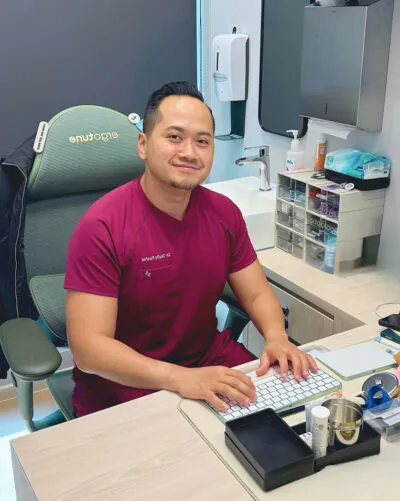
Dr Muhammad Taufiq Rashid

MBBS (NUS)

Member of SASO

Member of SMHS

Member Of ISSM

With over 15 years of experience in clinical practice and healthcare management, Dr Muhammad Taufiq Rashid focuses on men’s health and weight management. He is also a member of the International Society for Sexual Medicine (ISSM), reflecting his continued commitment to men’s wellness.

His care approach incorporates evidence-based medical procedures and tailored solutions designed to meet individual needs.

Dr Taufiq’s professional background spans a range of medical disciplines, equipping him with the knowledge and skills to guide patients in achieving their health goals. He is certified in circumcision techniques using the Shang Ring and ZSR Stapler methods, offering efficient and minimally invasive procedures completed in less than 15 minutes.

Education, Experience & Affiliations

Dr. Taufiq began his medical career as a Medical Officer under MOHH from 2006 to 2014, gaining valuable experience in multidisciplinary healthcare at Alexandra Hospital, KK Hospital, Bright Vision Hospital, and AMK THK Hospital.

From July 2017 to March 2021, he served as Chief Resident Physician at DTAP Clinic Somerset Branch, focusing on men’s health and providing holistic, patient-centered care.

As Medical Director at Pulse Medical Centre from April 2021 to December 2024, Dr. Taufiq led multidisciplinary care and advanced patient-first practices.

He holds certifications in ShangRing Circumcision, ZSR Stapler Circumcision, SCOPE certification, and ShangRing Training (Wuhu, Snnda, 2018). He is also a Certified Trainer for ShangRing Circumcision, ZSR Stapler Circumcision, Touchstone Circumcision, and the Storz T-Top Duolith Shockwave Therapy Machine.

In 2024, he completed the Androcourse under the Society of Men’s Health Singapore. Dr. Taufiq is a member of the Society of Men’s Health Singapore (SMHS), the Singapore Association for the Study of Obesity (SASO), and the International Society of Sexual Medicine (ISSM), reflecting his ongoing commitment to men’s health and weight management.

Make an Enquiry

Got Questions? Please fill in the enquiry form below and we look forward to addressing your question.tion

    Our Location

    SBF CENTER MEDICAL SUITES
    160 Robinson Rd, #05-05, Singapore 068914

    Mon – Thu: 9:00am to 2:00pm, 3:00pm to 6:00pm
    Fri: 9:00am to 12:30pm, 2:00pm to 6:00pm
    Sat: 9:00am to 1:00pm
    Sun & PH: Closed

    Frequently Asked Questions

    How long do erectile dysfunction treatments take to work?

    Effectiveness timing varies by treatment. Oral medications work within 30-60 minutes, vacuum devices and penile injections produce almost immediate results, testosterone replacement therapy may take several weeks to show improvement, while shockwave therapy requires multiple sessions over weeks.

    Is erectile dysfunction reversible?

    Reversibility depends on the cause. Issues from lifestyle, medications, or psychological factors often improve when addressed. Conditions from vascular disease or surgical complications may be less reversible but can still respond to treatment.

    Can weight loss improve erectile dysfunction?

    Yes, weight loss often improves erectile function in overweight men by addressing hormonal issues, inflammation, and blood vessel function. Losing 5-10% of body weight can measurably improve symptoms.