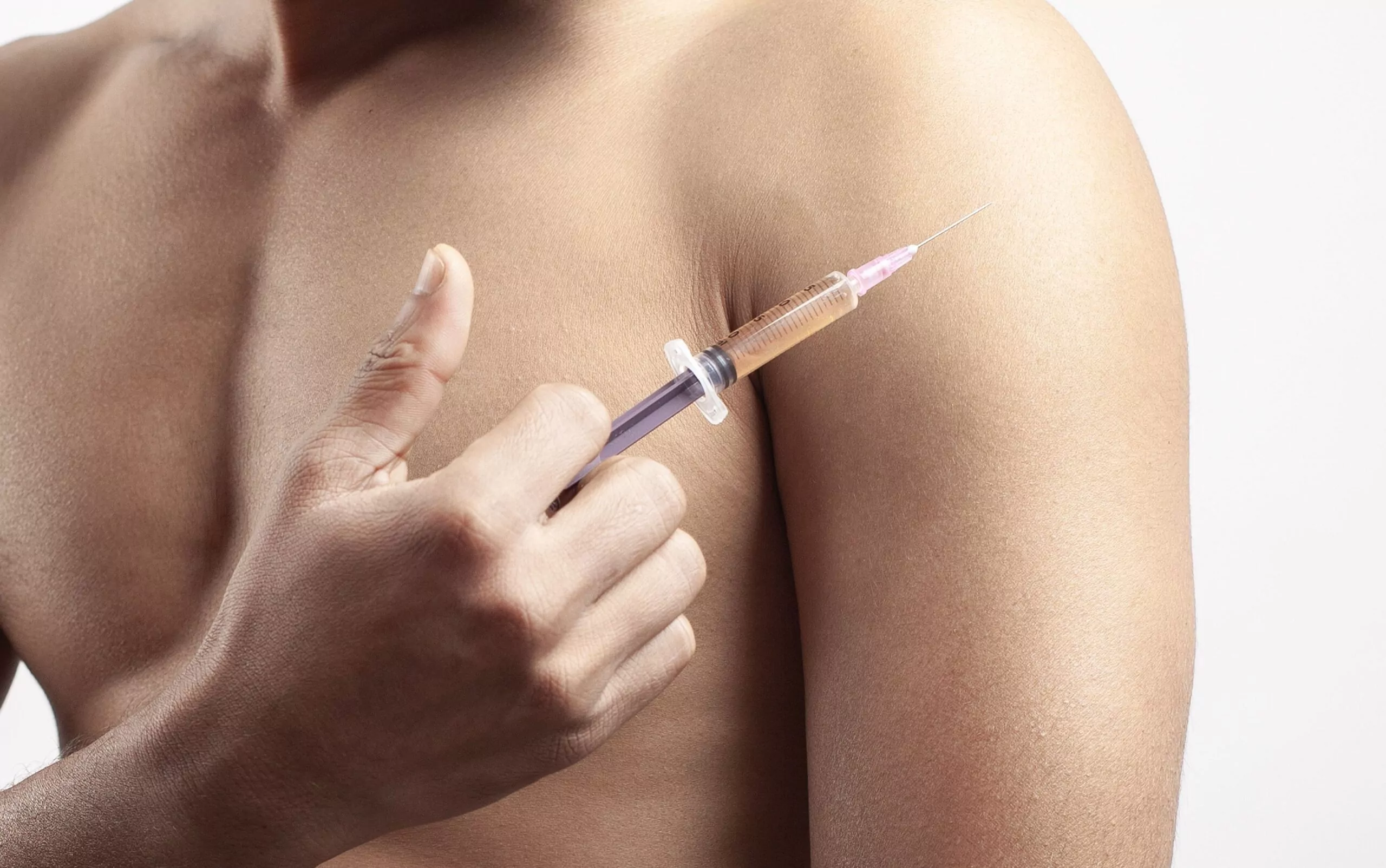
Human Growth Hormone (HGH)

Human growth hormone (HGH) is a naturally occurring hormone produced by the pituitary gland. It plays a key role in regulating growth, body composition, cell repair, and metabolism. A deficiency in HGH may lead to a range of physical and metabolic symptoms in adults. Treatment may involve hormone replacement if a deficiency is confirmed through medical evaluation.

Symptoms of Human Growth Hormone (HGH)

Growth hormone deficiency may cause:

  • Increased abdominal fat

    Individuals may notice fat accumulation around the waist despite no changes in diet or activity.

  • Decreased muscle mass

    Physical activities may become more challenging with noticeable reduction in muscle tone.

  • Low energy levels

    Persistent fatigue that doesn’t improve with rest, making daily tasks difficult to complete.

  • Reduced bone density

    May result in more frequent fractures or breaks from minor injuries.

  • Temperature sensitivity

    Discomfort in environments that others find comfortable.

  • Skin and hair changes

    Skin may lose elasticity while hair becomes finer and prone to breakage.

  • Mood disturbances

    Feelings of isolation, anxiety, or depression without other clear causes.
Causes and Risk Factors of Human Growth Hormone (HGH)

Growth hormone deficiency may result from:

Pituitary tumours or injuries: Benign growths called adenomas can affect pituitary function. Head injuries, surgery, or radiation in this area may impact hormone production.

Radiation treatment: Cancer treatments involving the head and neck can damage the pituitary gland.

Head trauma: Brain injuries may damage the pituitary gland or its connection to the hypothalamus.

Age-related changes: Growth hormone production naturally declines with age, though this is only considered abnormal when levels fall significantly below age-appropriate norms.

Autoimmune conditions: Disorders where the immune system attacks healthy tissue can affect the pituitary gland.

Types of Human Growth Hormone (HGH)

Growth hormone deficiency falls into these categories:

Acquired Growth Hormone Deficiency

Develops after birth from injury, illness, or medical treatments affecting the pituitary gland. Commonly associated with ageing, pituitary injury, or hormone-related conditions.

Adult Growth Hormone Deficiency

Deficiency that develops in or persists into adulthood. Presents with symptoms affecting metabolism and quality of life rather than height.

Diagnostic Methods

Diagnosing growth hormone deficiency involves several clinical assessments and tests.

Medical History: The doctor will ask about symptoms such as low energy, muscle loss, and changes in body composition. In adult men, this also includes sexual health and hormonal function.

Physical Examination: The examination typically includes weight, muscle mass, fat distribution, and other physical indicators of hormonal imbalance

Blood Tests: Screening includes measuring insulin-like growth factor-1 (IGF-1), which reflects average growth hormone levels more accurately than direct hormone measurement.

Growth Hormone Stimulation Test: Measures pituitary gland response to substances that trigger hormone release. The patient receives medication followed by several blood samples over a few hours.

Are your symptoms affecting your quality of life?

Consult our MOH-accredited specialist for a personalised treatment plan today.

Treatment Options

Several medical approaches can address symptoms in patients with confirmed growth hormone deficiency.

Growth Hormone Replacement

Synthetic growth hormone (somatropin) administered through daily injections. Dosage is calibrated based on body weight, age, and treatment response.

Hormone Monitoring

Blood tests track hormone levels and treatment effectiveness, allowing for dosage adjustments. IGF-1 measurements typically occur every 3-6 months.

Nutritional Counselling

Dietary guidance to support treatment results and manage body composition. Focuses on protein intake and caloric balance.

Hormone Assessment

Testing for related hormonal imbalances that might coexist with growth hormone deficiency. May include thyroid, testosterone, and cortisol evaluation.

Prevention and Management

While some causes of hormone deficiency cannot be prevented, early diagnosis and management in adulthood can limit complications. Regular monitoring and prompt medical consultation for adults with symptoms allows for early intervention.

For diagnosed individuals, following prescribed treatment plans and attending regular medical follow-ups helps maintain appropriate hormone levels and reduces long-term health impacts.

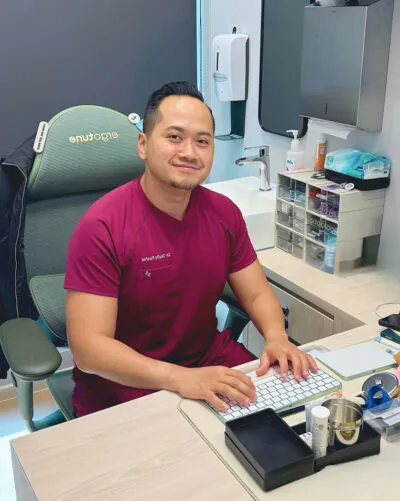
Dr Muhammad Taufiq Rashid

MBBS (NUS)

Member of SASO

Member of SMHS

Member Of ISSM

With over 15 years of experience in clinical practice and healthcare management, Dr Muhammad Taufiq Rashid focuses on men’s health and weight management. He is also a member of the International Society for Sexual Medicine (ISSM), reflecting his continued commitment to men’s wellness.

His care approach incorporates evidence-based medical procedures and tailored solutions designed to meet individual needs.

Dr Taufiq’s professional background spans a range of medical disciplines, equipping him with the knowledge and skills to guide patients in achieving their health goals. He is certified in circumcision techniques using the Shang Ring and ZSR Stapler methods, offering efficient and minimally invasive procedures completed in less than 15 minutes.

Education, Experience & Affiliations

Dr. Taufiq began his medical career as a Medical Officer under MOHH from 2006 to 2014, gaining valuable experience in multidisciplinary healthcare at Alexandra Hospital, KK Hospital, Bright Vision Hospital, and AMK THK Hospital.

From July 2017 to March 2021, he served as Chief Resident Physician at DTAP Clinic Somerset Branch, focusing on men’s health and providing holistic, patient-centered care.

As Medical Director at Pulse Medical Centre from April 2021 to December 2024, Dr. Taufiq led multidisciplinary care and advanced patient-first practices.

He holds certifications in ShangRing Circumcision, ZSR Stapler Circumcision, SCOPE certification, and ShangRing Training (Wuhu, Snnda, 2018). He is also a Certified Trainer for ShangRing Circumcision, ZSR Stapler Circumcision, Touchstone Circumcision, and the Storz T-Top Duolith Shockwave Therapy Machine.

In 2024, he completed the Androcourse under the Society of Men’s Health Singapore. Dr. Taufiq is a member of the Society of Men’s Health Singapore (SMHS), the Singapore Association for the Study of Obesity (SASO), and the International Society of Sexual Medicine (ISSM), reflecting his ongoing commitment to men’s health and weight management.

Make an Enquiry

Got Questions? Please fill in the enquiry form below and we look forward to addressing your question.

    Our Location

    SBF CENTER MEDICAL SUITES
    160 Robinson Rd, #05-05, Singapore 068914

    Mon – Thu: 9:00am to 2:00pm, 3:00pm to 6:00pm
    Fri: 9:00am to 12:30pm, 2:00pm to 6:00pm
    Sat: 9:00am to 1:00pm
    Sun & PH: Closed

    Frequently Asked Questions

    How are growth hormone injections given?

    The hormone is injected just under the skin using fine needles that cause minimal discomfort. Most patients learn to self-administer these injections at home after training.

    How quickly do treatment benefits appear?

    Most patients notice gradual improvements in energy and body composition after 3-6 months of consistent treatment. Full benefits may take 6-12 months to develop.

    What happens if I miss an injection?

    Missing an occasional dose won’t significantly impact treatment. However, if you miss multiple doses, contact your doctor before resuming, as dosage adjustments might be needed.

    Can growth hormone treatment affect other medications?

    Growth hormone may interact with certain medications, including corticosteroids and thyroid hormone replacement. Always inform your doctor about all medications you’re taking.

    How often will I need check-ups while on treatment?

    Most patients require check-ups every 3-6 months initially, then every 6-12 months once stable. These visits include blood tests, physical examinations, and discussions about treatment response.