HPV Vaccination for Men

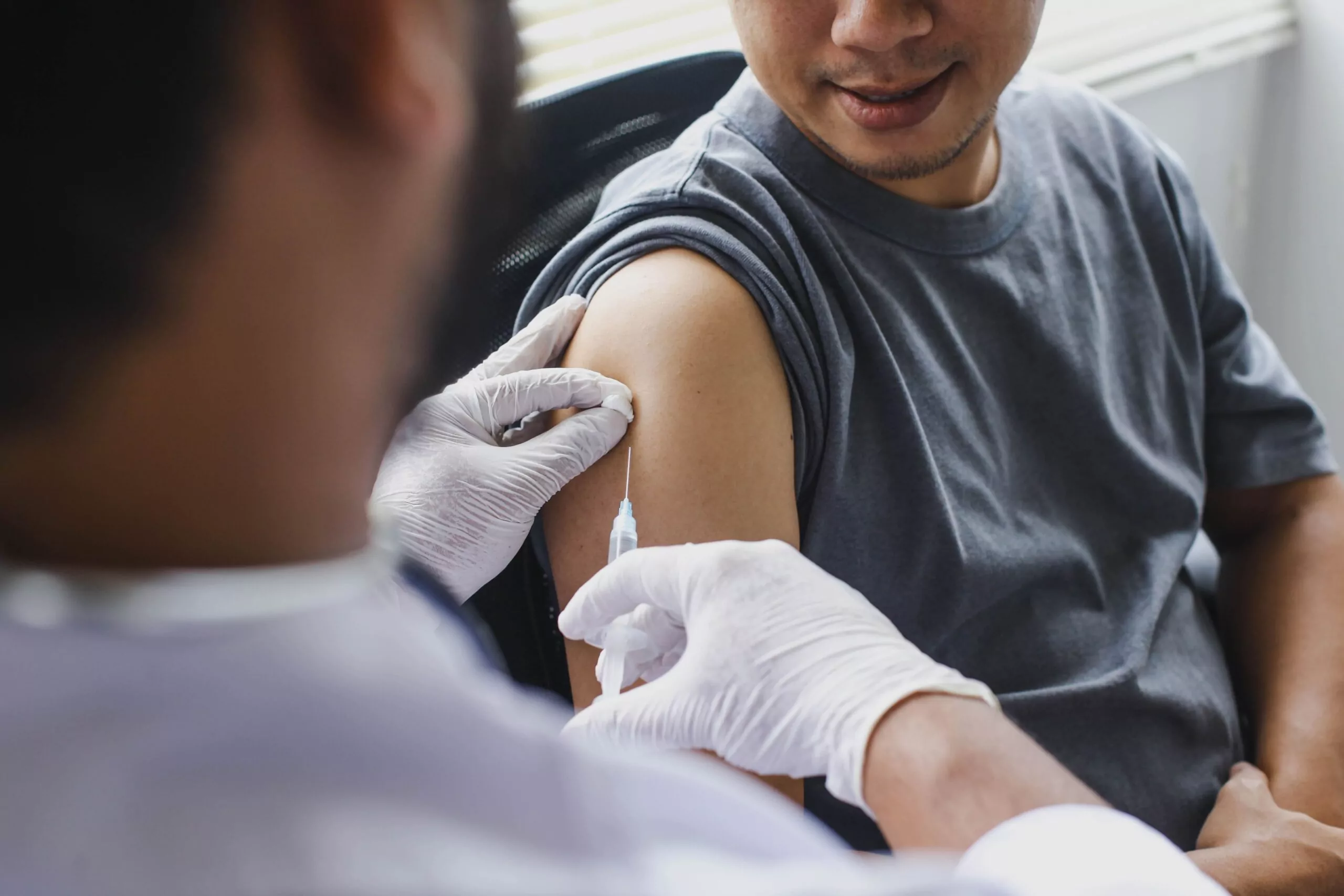
The HPV vaccine protects men against human papillomavirus, a common infection that can lead to genital warts and certain types of cancer. This preventative vaccination works by stimulating the immune system to produce antibodies against specific HPV strains before exposure occurs. Available to males of various age groups, the vaccine provides protection against the most common cancer-causing and wart-causing types of HPV, significantly reducing the risk of developing HPV-related conditions later in life.

Benefits of HPV Vaccination

HPV vaccination offers several health advantages for men that extend beyond individual protection to broader public health benefits.

  • Cancer Prevention

    The vaccine protects against HPV strains associated with penile, anal, and oropharyngeal cancers. These HPV-related cancers affect thousands of men annually, with vaccination substantially lowering this risk when administered before virus exposure.

  • Genital Warts Prevention

    HPV types 6 and 11 cause the majority of genital warts cases. The vaccine effectively prevents infection with these strains, reducing the likelihood of developing these uncomfortable and sometimes recurring growths.

  • Herd Immunity Contribution

    Vaccination of men helps reduce overall HPV transmission in the population. This broader protection extends to unvaccinated individuals through decreased virus circulation in the community.

  • Prevention of HPV Transmission to Partners

    Vaccinated men are less likely to carry and transmit HPV to sexual partners. This reduced transmission offers additional protection for current and future partners against HPV-related conditions.

Who Should Receive the HPV Vaccine

The HPV vaccine is recommended for specific age groups and populations to maximise effectiveness and public health impact.

Adolescent Boys

Routine vaccination is recommended for boys aged 11-12 years, before potential exposure to HPV through sexual contact. The immune response to the vaccine proves strongest at this age, providing optimal long-term protection against future infections.

Young Adult Men

Men up to age 26 who have not been previously vaccinated or did not complete the series may receive the vaccine. Even those who may have been exposed to some HPV types can benefit from protection against strains they have not yet encountered.

Men Who Have Sex with Men

This population faces higher risk for HPV-related diseases, particularly anal cancer. Vaccination is strongly recommended up to age 26 and may be beneficial for some men in this group up to age 45.

Immunocompromised Men

Men with weakened immune systems due to HIV infection or other conditions benefit from HPV vaccination due to their increased risk of HPV-related complications.

Vaccine Types and Schedule

Multiple HPV vaccine formulations are available, each covering different virus strains with specific administration schedules.

  • 9-valent Vaccine (Gardasil 9)

    This formulation protects against nine HPV types (6, 11, 16, 18, 31, 33, 45, 52, and 58), covering strains responsible for most cases of genital warts and HPV-related cancers. It provides broader protection compared to earlier versions and is currently the most widely used option.

  • Schedule for Ages 9–14

    For individuals in this age group, two doses spaced 6 to 12 months apart are sufficient. This streamlined schedule maintains effectiveness while requiring fewer appointments.

  • Schedule for Ages 15–45

    Those starting vaccination at age 15 or older require three doses over six months. The standard timeline includes an initial dose, a second dose 1–2 months later, and a third dose six months after the first. This schedule supports a stronger and more sustained immune response.

  • Catch-Up Vaccination

    If doses were missed or the series was not completed, vaccination can continue without restarting. The remaining doses should follow the appropriate schedule based on current age, regardless of the time since the last dose.

Administration Process

Pre-vaccination Assessment

A brief health review determines vaccine suitability, checking for previous allergic reactions to vaccine components and current acute illness. This screening identifies rare contraindications while confirming appropriate timing for vaccination.

Injection Technique

The vaccine is administered as an intramuscular injection in the upper arm (deltoid muscle). The process takes only moments and feels similar to other routine vaccinations, with minimal discomfort during administration.

Observation Period

A short waiting period of approximately 15 minutes follows vaccination to monitor for immediate allergic reactions. This precautionary measure allows for prompt medical intervention in the rare event of a serious reaction.

Documentation

Each dose receives documentation in permanent medical records and vaccination cards. This record-keeping ensures proper timing of subsequent doses and provides proof of vaccination status for future reference.

Effectiveness and Duration of Protection

Infection Prevention

The HPV vaccine offers strong protection against the types of HPV it targets, significantly reducing the risk of both genital and oral infections when given before exposure. This contributes to a noticeable decline in overall HPV prevalence in vaccinated groups.

Protection Against Genital Warts

The vaccine provides near-complete protection against genital warts caused by covered HPV strains. In areas with widespread vaccination, cases of genital warts have declined considerably, not only among those vaccinated but also within the wider population.

Reduction in Cancer Risk

The vaccine helps lower the likelihood of developing HPV-related cancers by preventing infections that can lead to precancerous changes. Over time, this contributes to a marked decrease in the number of cases as vaccinated individuals reach the age range when these cancers are more likely to occur.

Duration of Protection

Protection from the vaccine has been shown to last for at least 10 to 12 years, with no evidence of diminishing immunity during this time. Booster doses are not currently recommended, as the immune response remains stable.

Are your symptoms affecting your quality of life?

Consult our MOH-accredited specialist for a personalised treatment plan today.

Potential Side Effects

HPV vaccination is generally safe with mild, temporary side effects that resolve quickly without intervention. Mild pain, redness, or swelling at the injection site represents the most common reaction, typically resolving within 1-3 days. Some recipients experience fatigue, mild fever, headache, or muscle aches within 24 hours, usually resolving within 1-2 days. Severe allergic reactions are rare but require immediate medical attention if symptoms such as difficulty breathing, hives, or dizziness develop after vaccination.

Dr Muhammad Taufiq Rashid

MBBS (NUS)

Member of SASO

Member of SMHS

Member Of ISSM

With over 15 years of experience in clinical practice and healthcare management, Dr Muhammad Taufiq Rashid focuses on men’s health and weight management. He is also a member of the International Society for Sexual Medicine (ISSM), reflecting his continued commitment to men’s wellness.

His care approach incorporates evidence-based medical procedures and tailored solutions designed to meet individual needs.

Dr Taufiq’s professional background spans a range of medical disciplines, equipping him with the knowledge and skills to guide patients in achieving their health goals. He is certified in circumcision techniques using the Shang Ring and ZSR Stapler methods, offering efficient and minimally invasive procedures completed in less than 15 minutes.

Education, Experience & Affiliations

Dr. Taufiq began his medical career as a Medical Officer under MOHH from 2006 to 2014, gaining valuable experience in multidisciplinary healthcare at Alexandra Hospital, KK Hospital, Bright Vision Hospital, and AMK THK Hospital.

From July 2017 to March 2021, he served as Chief Resident Physician at DTAP Clinic Somerset Branch, focusing on men’s health and providing holistic, patient-centered care.

As Medical Director at Pulse Medical Centre from April 2021 to December 2024, Dr. Taufiq led multidisciplinary care and advanced patient-first practices.

He holds certifications in ShangRing Circumcision, ZSR Stapler Circumcision, SCOPE certification, and ShangRing Training (Wuhu, Snnda, 2018). He is also a Certified Trainer for ShangRing Circumcision, ZSR Stapler Circumcision, Touchstone Circumcision, and the Storz T-Top Duolith Shockwave Therapy Machine.

In 2024, he completed the Androcourse under the Society of Men’s Health Singapore. Dr. Taufiq is a member of the Society of Men’s Health Singapore (SMHS), the Singapore Association for the Study of Obesity (SASO), and the International Society of Sexual Medicine (ISSM), reflecting his ongoing commitment to men’s health and weight management.

Make an Enquiry

Got Questions? Please fill in the enquiry form below and we look forward to addressing your question.

    Our Location

    SBF CENTER MEDICAL SUITES
    160 Robinson Rd, #05-05, Singapore 068914

    Mon – Thu: 9:00am to 2:00pm, 3:00pm to 6:00pm
    Fri: 9:00am to 12:30pm, 2:00pm to 6:00pm
    Sat: 9:00am to 1:00pm
    Sun & PH: Closed

    Frequently Asked Questions

    Should I get vaccinated if I’m already sexually active?

    Men who are sexually active can still benefit from HPV vaccination, even if they have had previous partners. While the vaccine works best before any HPV exposure, sexually active men may not have encountered all HPV types covered by the vaccine and will gain protection against those strains.

    If I received an earlier version of the HPV vaccine, should I get the newer 9-valent vaccine?

    Current guidelines do not recommend revaccination with the 9-valent vaccine for those who completed a full series with earlier vaccine versions. The additional protection against the extra HPV types does not outweigh the cost and potential side effects of revaccination for most individuals.

    Can the vaccine help if I already have HPV?

    The vaccine cannot treat or clear existing HPV infections or associated conditions like genital warts. However, vaccination may still provide protection against other HPV types covered by the vaccine that you have not yet acquired, potentially preventing future infections with different strains.