


Your doctor will review your medical history and assess your HIV exposure risk to determine whether PrEP is appropriate for you.
HIV Pre-Exposure Prophylaxis (PrEP)
Pre-Exposure Prophylaxis (PrEP) is a doctor-prescribed medication that substantially lowers the risk of acquiring HIV by about 99% when taken consistently as prescribed. TAF Clinic offers dedicated HIV pre-exposure prophylaxis management in Singapore for sexually active men, including men who have sex with men (MSM). Daily and on-demand PrEP regimens are available with regular monitoring, confidential HIV and Sexually Transmitted Infections (STI) testing, and prescriptions handled with full discretion, all in an inclusive space by Dr Taufiq who is experienced in sexual health.
Medically reviewed by Dr Muhammad Taufiq Rashid

What is HIV Pre-Exposure Prophylaxis?
PrEP is a prescription-only antiretroviral medicine that reduces the risk of HIV before any exposure occurs, requiring a consultation and ongoing medical supervision throughout. It is commonly prescribed as emtricitabine/tenofovir disoproxil fumarate or emtricitabine/tenofovir alafenamide, with your doctor advising the right option based on your health profile.
Unlike Post-Exposure Prophylaxis (PEP), an emergency medication started within 72 hours of a possible exposure, PrEP is taken on an ongoing basis for repeated or anticipated HIV exposure. However, PrEP only covers HIV infections, so if broader STI protection is also a concern, Doxy-PEP is a separate treatment option worth discussing with our doctor.
How Does PrEP Work?
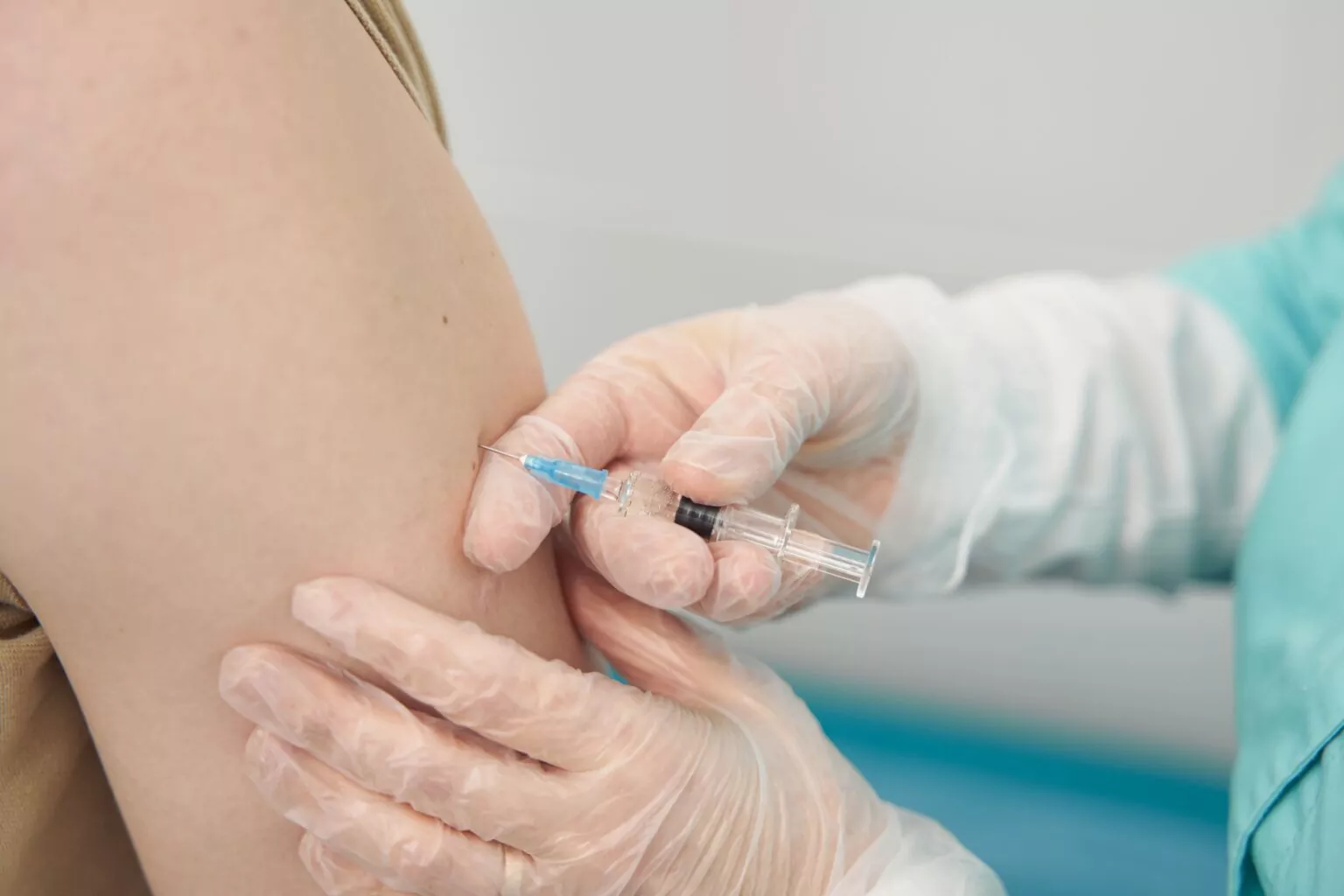
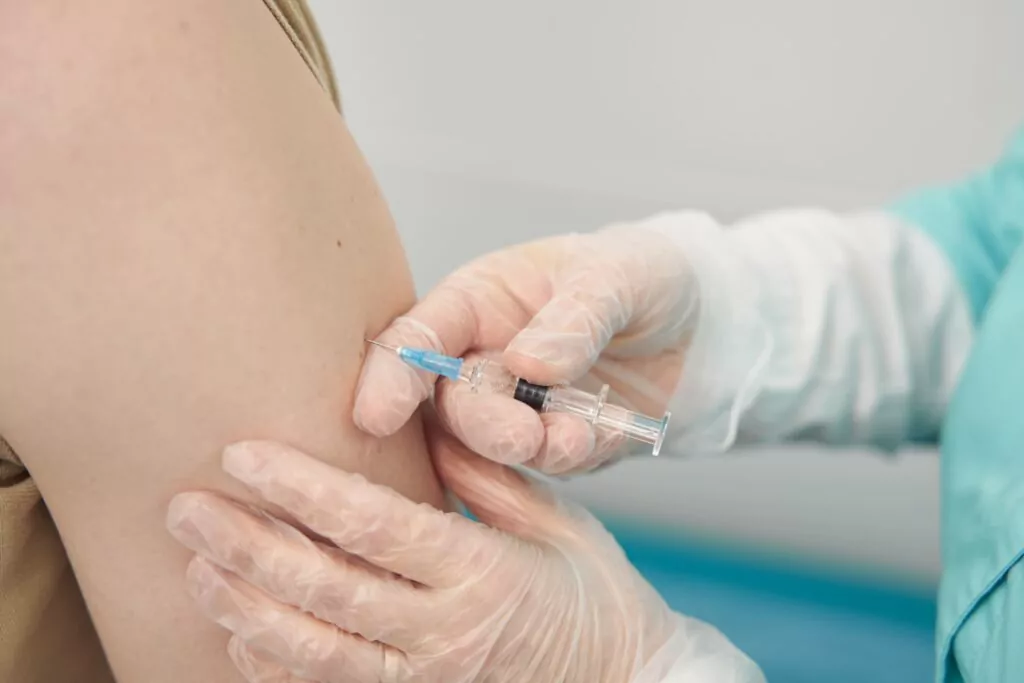
PrEP contains antiretroviral medications that block HIV from replicating in the body. If the virus is introduced during a high-risk encounter, the medication stops it from establishing a permanent infection.
Because PrEP cannot treat an existing infection, and may lead to drug resistance if used by someone who is already HIV-positive, a negative HIV test is required before your first prescription. Your doctor will also arrange HIV testing every three months while you remain on PrEP, which is a clinical requirement for safe, ongoing use.
How Effective is PrEP?
According to the U.S. Centers for Disease Control and Prevention (CDC), when taken consistently as prescribed, PrEP reduces the risk of acquiring HIV through sex by about 99% and from injection drug use by at least 74%. These figures depend on correct, consistent use, and missed doses do reduce protection, which makes adherence to your regimen important. PrEP also takes time to reach full effectiveness. The CDC notes that daily PrEP reaches maximum protective levels at around 7 days for receptive anal sex, and around 21 days for receptive vaginal sex or injection drug use, so starting ahead of any anticipated exposure gives it time to work.


Who Should Consider PrEP?
PrEP may be right for you if you have ongoing or periodic risk of HIV exposure. Consider it if you:
- Have a partner who is HIV-positive (a serodiscordant relationship).
- Are a man who has sex with men (MSM) and have unprotected sex.
- Engage in unprotected sex with partners whose HIV status is unknown or who are at higher risk of HIV infection.
- Inject drugs and share needles.
- Frequently require PEP due to repeated exposure risks.
- Have multiple sexual partners.
Daily vs On-Demand PrEP
There is no single way to take PrEP, and our doctor at TAF Clinic will help you choose the regimen that fits your life and level of risk.
| Daily PrEP | On-Demand (2-1-1) PrEP | |
|---|---|---|
| How it’s taken | One tablet every day | Two tablets 2 to 24 hours before sex, one tablet 24 hours after the first dose, and one tablet 24 hours after that |
| Who it suits | All types of exposure | Cisgender MSM |
| Not suitable for | Not applicable | Vaginal sex, injection drug use, or active Hepatitis B; also needs planning ahead |
| Protection | Consistent, ongoing cover | Depends on correct timing around each encounter |
Daily PrEP provides consistent protection and uses a formulation registered with Singapore’s Health Sciences Authority (HSA). On-demand dosing with TDF/FTC is endorsed by the World Health Organization (WHO) for MSM, and your doctor will advise whether it is the right regimen for you.
PrEP Medications
Two once-daily oral HIV PrEP pills are used for PrEP, and both are equally effective at preventing HIV. The difference is in how the tenofovir component of the formulation is delivered, which affects their safety profiles.
| TDF/FTC | TAF/FTC | |
|---|---|---|
| What it is | Emtricitabine with tenofovir disoproxil fumarate | Emtricitabine with tenofovir alafenamide |
| Safety profile | Well studied over many years | Studies note more favourable kidney and bone markers |
| On-demand (2-1-1) use | Suitable | Not established for on-demand dosing |
Your doctor will recommend the formulation that suits you, taking into account your kidney function, bone health, and how you plan to take PrEP. For those who prefer not to take a daily pill, injectable PrEP (cabotegravir) is an alternative, given as two initiation injections one month apart and every two months thereafter. Please confirm current medication availability with our clinic.
Starting PrEP at TAF Clinic: What to Expect
Before your first PrEP prescription, our doctor at TAF Clinic will walk you through the following:
Consultation and Risk Assessment
Baseline Tests
Before your first prescription, you will undergo a discreet HIV test, kidney function tests, Hepatitis B and C screening, and an STD screening.
Prescription and Start
Once results confirm you are HIV-negative and suitable for PrEP, our doctor will prescribe your medication and walk you through your regimen. Some individuals notice mild side effects such as nausea, headache, or fatigue in the early weeks, which typically settle over time.
Ongoing Monitoring
Follow-up appointments are generally scheduled every three months and include an HIV test, kidney function monitoring, STI screen, and prescription renewal. Missed doses reduce protection, so adherence to your regimen matters.
Are your symptoms affecting your quality of life?
Consult our doctor for a personalised treatment plan today.
Screening Packages
All packages are non-refundable. Price stated below is after GST charge of 9%.
RAPID HIV+SYPHILIS
$109
- Rapid HIV
- Rapid Syphilis / VDRL
TAF13
PREP Profile
$130
- Renal Function
- Bicarbonate
- eGFR
- Urea
- Creatinine Serum
- Sodium
- Potassium
- Chloride
- Hepatitis Profile
- Hepatitis Bs Antibody (HBsAb)
- Hepatitis Bs Antigen (HBsAg)
- Hepatitis C Antibody
- Urine/Stool Analysis
- Urine FEME
PrEP medication is prescribed and priced separately, following your consultation and baseline tests.
PrEP and Long-Term HIV Prevention
PrEP is one part of a wider approach to protecting your health, and it works best alongside other preventative measures. Because it guards against HIV only, and not against other STIs such as gonorrhoea, chlamydia, or syphilis, condom use and regular STI screening remain important. Combining PrEP with routine HIV testing and STI testing, safe drug injection practices, and open communication with partners about sexual health gives you broader protection overall. TAF Clinic also offers Doxy-PEP for bacterial STI prevention alongside your PrEP, so your sexual health is managed in one place.
Confidential and Inclusive Care
We understand that sexual health is personal. Consultations, test results, and prescriptions are handled with full confidentiality, and our clinic environment is non-judgmental and inclusive of patients of all sexual orientations and backgrounds.
Dr Taufiq has experience supporting patients at higher risk of HIV, including gay and bisexual men, and takes the time to understand your circumstances, answer your questions openly, and work alongside you throughout your PrEP journey. The aim is simple: for you to feel respected, informed, and supported in taking charge of your health.
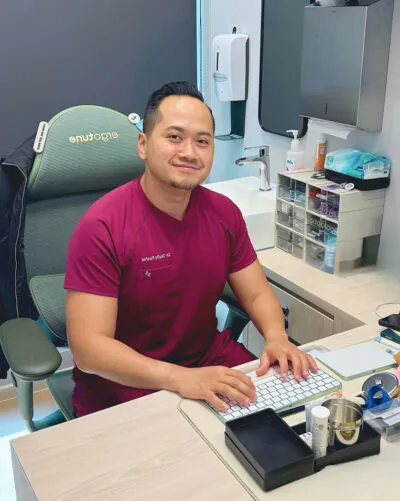
Dr Muhammad Taufiq Rashid
MBBS (NUS)
Member of SASO
Member of SMHS
Member Of ISSM
With over 15 years of experience in clinical practice and healthcare management, Dr Muhammad Taufiq Rashid focuses on men’s health and weight management. He is also a member of the International Society for Sexual Medicine (ISSM), reflecting his continued commitment to men’s wellness.
His care approach incorporates evidence-based medical procedures and tailored solutions designed to meet individual needs.
Dr Taufiq’s professional background spans a range of medical disciplines, equipping him with the knowledge and skills to guide patients in achieving their health goals. He is certified in circumcision techniques using the Shang Ring and ZSR Stapler methods, offering efficient and minimally invasive procedures completed in less than 15 minutes.
Education, Experience & Affiliations
Dr. Taufiq began his medical career as a Medical Officer under MOHH from 2006 to 2014, gaining valuable experience in multidisciplinary healthcare at Alexandra Hospital, KK Hospital, Bright Vision Hospital, and AMK THK Hospital.
From July 2017 to March 2021, he served as Chief Resident Physician at DTAP Clinic Somerset Branch, focusing on men’s health and providing holistic, patient-centered care.
As Medical Director at Pulse Medical Centre from April 2021 to December 2024, Dr. Taufiq led multidisciplinary care and advanced patient-first practices.
He holds certifications in ShangRing Circumcision, ZSR Stapler Circumcision, SCOPE certification, and ShangRing Training (Wuhu, Snnda, 2018). He is also a Certified Trainer for ShangRing Circumcision, ZSR Stapler Circumcision, Touchstone Circumcision, and the Storz T-Top Duolith Shockwave Therapy Machine.
In 2024, he completed the Androcourse under the Society of Men’s Health Singapore. Dr. Taufiq is a member of the Society of Men’s Health Singapore (SMHS), the Singapore Association for the Study of Obesity (SASO), and the International Society of Sexual Medicine (ISSM), reflecting his ongoing commitment to men’s health and weight management.
Make an Enquiry
Got Questions? Please fill in the enquiry form below and we look forward to addressing your question.
Our Location
SBF CENTER MEDICAL SUITES
160 Robinson Rd, #05-05, Singapore 068914
Mon – Thu: 9:00am to 2:00pm, 3:00pm to 6:00pm
Fri: 9:00am to 12:30pm, 2:00pm to 6:00pm
Sat: 9:00am to 1:00pm
Sun & PH: Closed
Fri: 9:00am to 12:30pm, 2:00pm to 6:00pm
Sat: 9:00am to 1:00pm
Sun & PH: Closed
Frequently Asked Questions
Can I take PrEP only during periods of higher risk (on-demand PrEP)?
On-demand PrEP (also called event-based dosing) involves taking pills before and after sexual activity instead of daily. This method is effective for anal sex but is not approved for vaginal sex or injection drug use. Consult your doctor for guidance if you are considering this option.
What happens if I stop taking PrEP?
If you stop taking PrEP, your protection against HIV will decrease over time. For anal sex, protective levels drop within a week; for vaginal sex, they decline after about three weeks.
Can PrEP cause resistance to HIV medications?
If an individual unknowingly acquires HIV while on PrEP and continues taking the medication, there is a risk of developing drug-resistant HIV. Regular HIV testing minimises this risk.
How much does PrEP cost in Singapore?
PrEP medication is prescribed separately, following your consultation and baseline tests. The total depends on the formulation prescribed and your monitoring needs, so please contact the clinic for current pricing.
Can I get PrEP via teleconsult in Singapore?
PrEP is a prescription-only medicine and cannot be bought online without a prior consultation. An initial in-person visit is required for baseline testing, including a confirmed negative HIV test, before any prescription can be issued. Please contact the clinic to discuss your options.
What is the difference between PrEP and PEP?
PrEP is taken on an ongoing basis before potential exposure to prevent HIV. PEP is an emergency course started within 72 hours after a possible exposure. Both pills serve different purposes and are not interchangeable.
Does PrEP protect against other STIs?
No. PrEP reduces the risk of HIV only. It does not protect against other STIs such as syphilis, gonorrhoea, or chlamydia, so condom use and regular STI screening remain important alongside it.