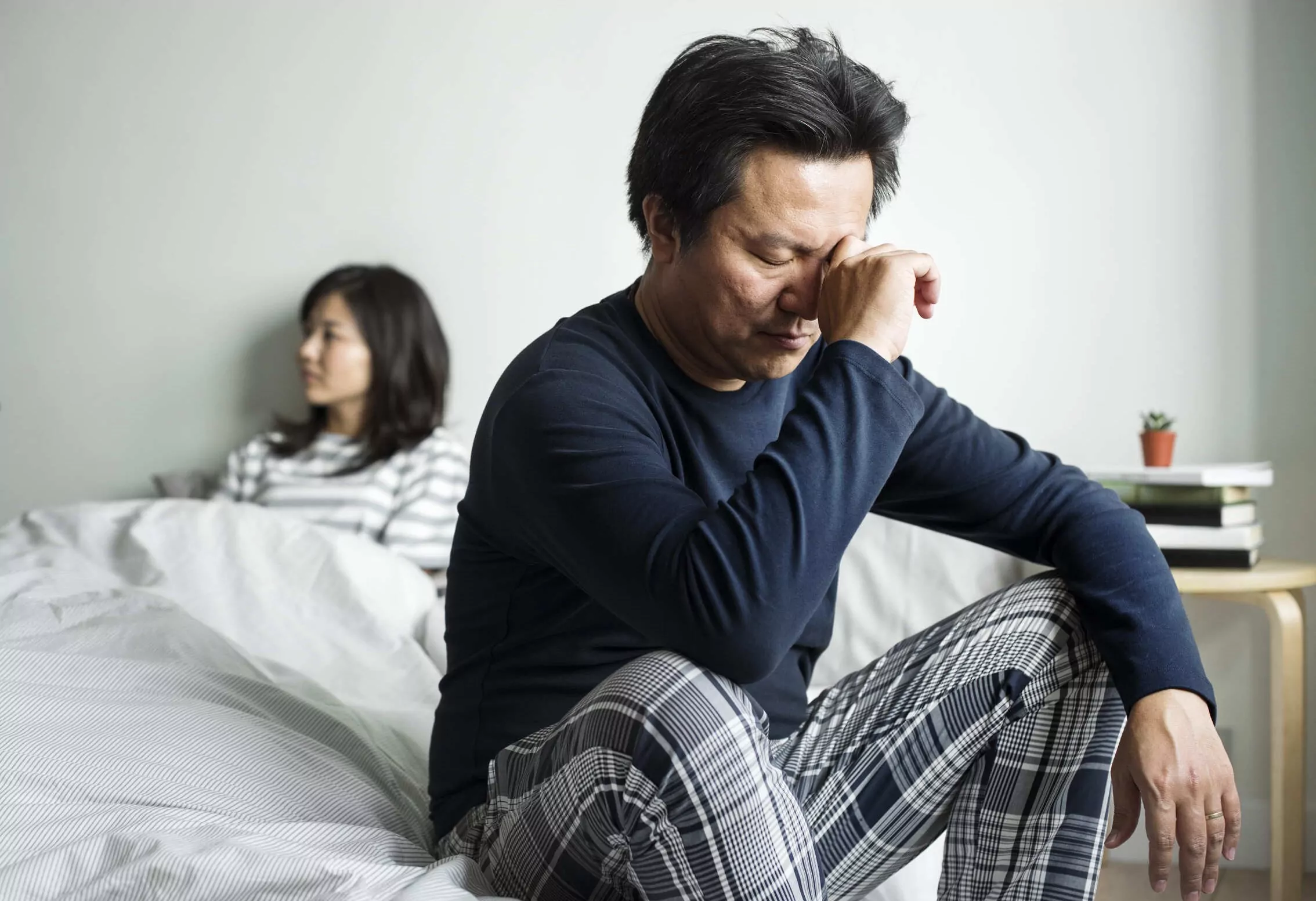
Low Libido

Low libido refers to a decreased interest in sexual activity or reduced sexual desire. This condition can affect men of all ages, though the prevalence increases with age. Low libido may cause distress in relationships, affect self-esteem, and impact overall quality of life. It can manifest as a persistent lack of sexual thoughts, fantasies, or desire for sexual activity. Identifying and addressing underlying factors can help restore sexual wellbeing and improve quality of life.

Symptoms of Low Libido

Low libido presents through noticeable changes in sexual interest and behaviour. Common signs include:

  • Reduced interest in initiating sexual activity

    A person may find themselves rarely or never wanting to initiate intimate contact. This symptom often becomes noticeable when it represents a change from previous patterns.

  • Decreased sexual thoughts or fantasies

    The frequency of sexual thoughts diminishes significantly compared to what was previously normal for the individual.

  • Limited response to sexual stimulation

    Despite adequate stimulation, there may be minimal sexual arousal or excitement. The body and mind may not respond to cues that previously triggered desire.

  • Anxiety about sexual performance

    Feelings of worry or distress about sexual encounters may develop.

  • Avoidance of situations that might lead to sexual activity

    A person may unconsciously or deliberately avoid situations that could lead to intimacy.

  • Relationship stress related to mismatched desire

    Differences in sexual interest between partners can create tension and communication challenges.

Causes and Risk Factors

Low libido can result from a combination of biological, psychological, and relationship factors:

Hormonal imbalances: Fluctuations in sex hormones can significantly impact sexual desire. These changes may occur naturally with age or due to certain medical conditions.

Chronic medical conditions: Health issues such as heart disease and thyroid disorders can reduce sexual desire.

Medication side effects: Certain medications, including antidepressants and antihypertensives, may decrease libido.

Alcohol and substance use: Regular consumption of alcohol or use of recreational drugs can interfere with sexual function and desire.

Previous negative sexual experiences: Past trauma or unsatisfying sexual encounters can contribute to decreased interest in sexual activity. These experiences may create psychological barriers to experiencing desire.

Types of Low Libido

Low libido presents differently depending on its onset, duration, and context. Understanding how low libido presents can help guide treatment:

Primary low libido

Lifelong lack of sexual interest, potentially linked to developmental or hormonal factors.

Secondary low libido

A decline in desire following a period of normal sexual interest, often due to health or life changes.

Generalised low libido

Affects all sexual contexts and partners, suggesting broader underlying causes.

Situational low libido

Occurs only under certain circumstances or with specific partners, often indicating psychological or relational roots.

Diagnostic Methods

The diagnosis of low libido involves a comprehensive assessment to identify underlying causes and develop effective treatment strategies. Healthcare providers conduct a thorough evaluation to identify contributing factors which includes:

Medical history evaluation: Healthcare providers collect detailed information about sexual health history, onset of symptoms, and patterns of sexual desire.

Physical examination: A thorough physical assessment checks for signs of hormonal imbalances, neurological issues, or other medical conditions that might affect sexual desire.

Hormone level testing: Blood tests measure levels of sex hormones. These tests are particularly relevant for people experiencing age-related changes, fertility issues, or symptoms of hormonal imbalance.

Are your symptoms affecting your quality of life?

Consult our MOH-accredited specialist for a personalised treatment plan today.

Treatment Options

Treatment plans are personalised and may involve a combination of strategies:

Hormone therapy

For cases related to hormonal imbalances, replacement or supplementation therapy may help restore sexual desire. For men, if found to have low levels of Total testosterone or free testosterone, they may benefit from Testosterone Replacement Therapy (TRT).

Medication adjustments

When medications contribute to low libido, healthcare providers may modify dosages, switch to alternative medications, or adjust timing of administration.

Lifestyle modifications

Changes to diet, exercise routines, sleep habits, and stress management can improve overall health and potentially enhance libido.

Prevention and Management

Managing and preventing low libido involves maintaining both physical and emotional wellbeing. Leading a balanced lifestyle supports healthy hormone function and energy levels. Avoiding excessive alcohol and recreational drugs also helps preserve sexual function. For those with chronic medical conditions, adhering to treatment plans and addressing sexual concerns with healthcare professionals is key. Early intervention can prevent persistent problems and support long-term sexual wellbeing.

Dr Muhammad Taufiq Rashid

MBBS (NUS)

Member of SASO

Member of SMHS

Member Of ISSM

With over 15 years of experience in clinical practice and healthcare management, Dr Muhammad Taufiq Rashid focuses on men’s health and weight management. He is also a member of the International Society for Sexual Medicine (ISSM), reflecting his continued commitment to men’s wellness.

His care approach incorporates evidence-based medical procedures and tailored solutions designed to meet individual needs.

Dr Taufiq’s professional background spans a range of medical disciplines, equipping him with the knowledge and skills to guide patients in achieving their health goals. He is certified in circumcision techniques using the Shang Ring and ZSR Stapler methods, offering efficient and minimally invasive procedures completed in less than 15 minutes.

Education, Experience & Affiliations

Dr. Taufiq began his medical career as a Medical Officer under MOHH from 2006 to 2014, gaining valuable experience in multidisciplinary healthcare at Alexandra Hospital, KK Hospital, Bright Vision Hospital, and AMK THK Hospital.

From July 2017 to March 2021, he served as Chief Resident Physician at DTAP Clinic Somerset Branch, focusing on men’s health and providing holistic, patient-centered care.

As Medical Director at Pulse Medical Centre from April 2021 to December 2024, Dr. Taufiq led multidisciplinary care and advanced patient-first practices.

He holds certifications in ShangRing Circumcision, ZSR Stapler Circumcision, SCOPE certification, and ShangRing Training (Wuhu, Snnda, 2018). He is also a Certified Trainer for ShangRing Circumcision, ZSR Stapler Circumcision, Touchstone Circumcision, and the Storz T-Top Duolith Shockwave Therapy Machine.

In 2024, he completed the Androcourse under the Society of Men’s Health Singapore. Dr. Taufiq is a member of the Society of Men’s Health Singapore (SMHS), the Singapore Association for the Study of Obesity (SASO), and the International Society of Sexual Medicine (ISSM), reflecting his ongoing commitment to men’s health and weight management.

Make an Enquiry

Got Questions? Please fill in the enquiry form below and we look forward to addressing your question.

    Our Location

    SBF CENTER MEDICAL SUITES
    160 Robinson Rd, #05-05, Singapore 068914

    Mon – Thu: 9:00am to 2:00pm, 3:00pm to 6:00pm
    Fri: 9:00am to 12:30pm, 2:00pm to 6:00pm
    Sat: 9:00am to 1:00pm
    Sun & PH: Closed

    Frequently Asked Questions

    How common is low libido?

    Low libido affects approximately 15-25% of men at some point in their lives. The prevalence increases with age, particularly after 40, though men of any age can experience periods of reduced sexual desire.

    Can low libido resolve without treatment?

    Temporary decreases in sexual desire related to life stressors, fatigue, or minor health issues may resolve without formal treatment. However, persistent low libido, especially when caused by chronic health conditions or significant hormonal changes, usually benefits from professional assessment and targeted interventions.

    Does aging inevitably cause low libido?

    While hormonal changes associated with aging can affect sexual desire, aging itself does not necessarily cause problematic low libido. Many individuals maintain satisfying sexual interest throughout older adulthood.

    Age-related changes in sexual function often respond well to appropriate medical care, relationship adjustments, and lifestyle modifications. Expectations about sexual desire may also evolve with age in ways that preserve sexual satisfaction.

    When should I seek medical help for low libido?

    Medical consultation becomes appropriate when low libido causes personal distress, persists for several months, occurs suddenly without clear cause, or creates significant relationship problems. Additionally, when low libido accompanies other symptoms such as fatigue, mood changes, or physical discomfort, these may indicate an underlying health condition requiring assessment.