Fraud Blocker

Syphilis

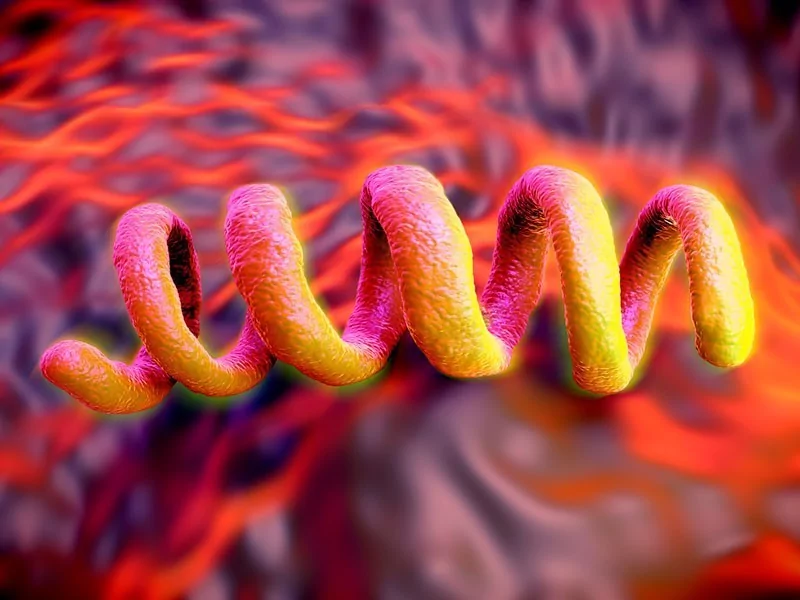
Syphilis is a sexually transmitted infection (STI) caused by the bacterium Treponema pallidum. If left untreated, it progresses through multiple stages, affecting the skin, genitals, nerves, heart, and brain. While syphilis can infect anyone, men who have sex with men and those with multiple sexual partners face a higher risk. The infection can remain undetected for years, making routine STI screening a necessary part of men’s sexual health.

Symptoms of Syphilis

Syphilis symptoms vary by stage, and some men may not notice symptoms until the infection has progressed.

Primary Stage (Chancre)

A firm, painless sore (chancre) appears on the penis, anus, mouth, or other areas of exposure. It heals on its own within 3-6 weeks, but the infection remains in the body.

Secondary Stage (Rash & Flu-like Symptoms)

A non-itchy rash often develops on the palms and soles, accompanied by fever, swollen lymph nodes, fatigue, and body aches. These symptoms may appear weeks or months after the chancre heals.

Latent Stage (Hidden Infection)

Syphilis becomes dormant with no visible symptoms, but the bacteria remain active internally. Without treatment, it may stay latent for years.

Tertiary Stage (Organ Damage)

If untreated, syphilis can severely damage the brain, heart, nerves, and other organs, leading to paralysis, vision loss, or cognitive decline.

How Syphilis is Transmitted

Syphilis spreads through direct contact with infectious sores during sexual activity. The most common transmission routes for men include:

  • Unprotected Sexual Intercourse

    The infection is passed through vaginal, anal, or oral sex with an infected partner.

  • Men Who Have Sex with Men (MSM)

    Studies show that MSM have a higher prevalence of syphilis, especially in those with multiple partners.

  • Blood Contact & Needle Use

    While rare, syphilis can spread through needle sharing or contaminated blood products.

  • Partner Transmission

    If a partner has untreated syphilis, there is a high risk of reinfection, even after treatment.
Types of Syphilis

Acquired Syphilis

The most common form, transmitted through sexual contact. If left untreated, it progresses through primary, secondary, latent, and tertiary stages, affecting multiple organ systems over time.

Neurosyphilis

Occurs when syphilis spreads to the nervous system, leading to memory loss, personality changes, vision impairment, coordination issues, and nerve damage. It can develop at any stage of infection.

Congenital Syphilis (Partner Consideration)

If a man has untreated syphilis and his partner is pregnant, the infection can be passed to the baby, potentially causing birth defects, developmental issues, and organ damage. Partner testing and treatment help prevent congenital transmission.

Syphilis Testing

Routine STI screening is advised for all sexually active men, particularly those at higher risk, such as men with multiple partners or those engaging in unprotected sex. Syphilis testing methods include:

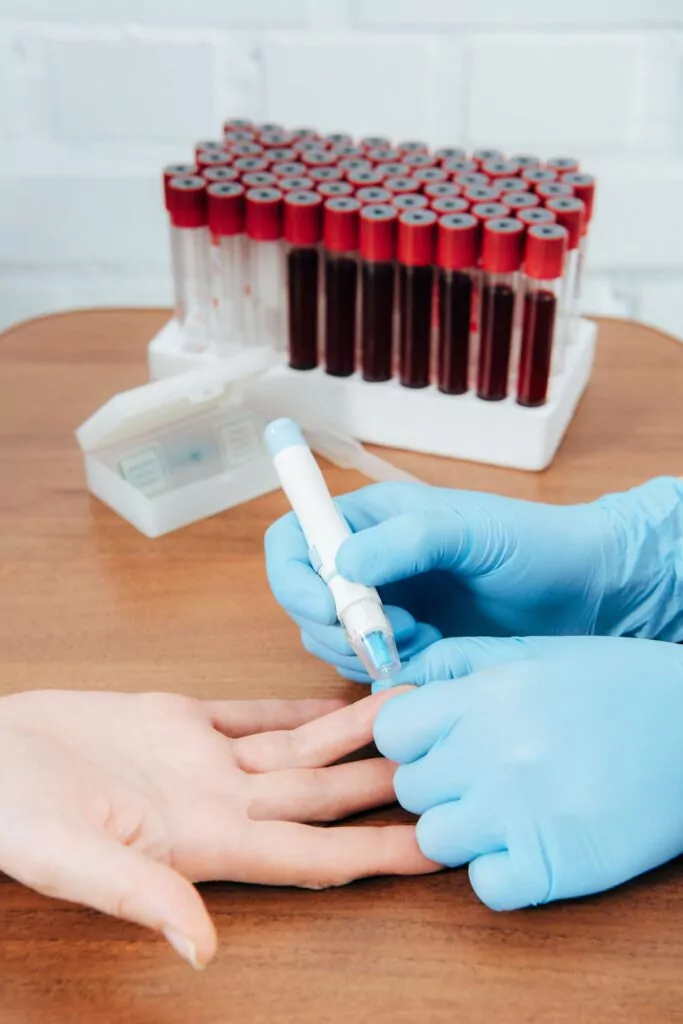
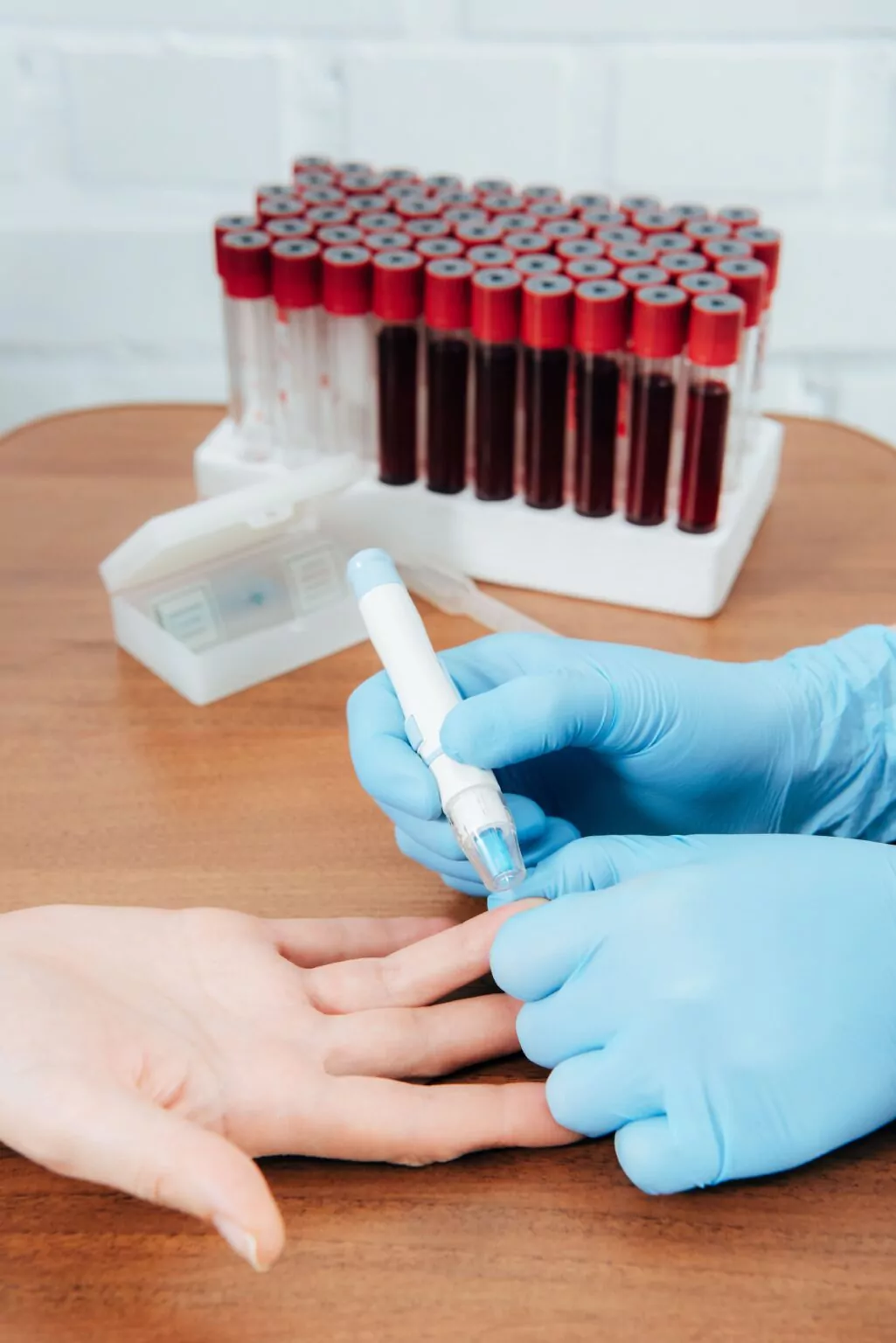
  • Blood Tests: Two types of blood tests are used – one detects an active infection, while the other confirms a past or present infection.
  • Swab Testing: If sores or ulcers are present, a sample can be taken to test for the syphilis bacteria.
  • Physical Examination: A doctor may assess visible sores, rashes, and neurological symptoms to help determine the stage of infection.
  • Rapid Syphilis Testing: Delivers results in around 20 minutes, allowing for quick diagnosis and timely treatment.
  • Multiplex STI Testing: Screens for multiple infections simultaneously, including HIV, gonorrhoea, and chlamydia.

Treatment for Syphilis

Antibiotic Therapy

A penicillin injection is the primary treatment for syphilis. Early-stage infections typically require a single dose, while later stages may need multiple doses over several weeks. Alternative antibiotics are available for individuals allergic to penicillin.

Follow-up Testing

Regular blood tests over several months to two years confirm that the infection has been successfully treated.

Complication Management

While antibiotics halt the progression of syphilis, they cannot reverse organ damage caused by tertiary syphilis or neurosyphilis.

Screening Packages

All packages are non-refundable. Price stated below is after GST charge of 9%. Patient can choose either of these two packages.

VD RL
$30

A laboratory-based blood test used to screen for syphilis infection, processed at a central laboratory with results usually ready in 3–5 business days.

Rapid Syphillis
$54.50

A quick blood test that screens for syphilis antibodies, with results typically available within 15 minutes.

Are your symptoms affecting your quality of life?

Consult our MOH-accredited specialist for a personalised treatment plan today.

Prevention and Management

Syphilis prevention involves regular STI screening, reducing exposure risks, and ensuring partners are tested and treated. Using condoms or dental dams can lower transmission risk, but they do not eliminate it completely. Sexually active men, particularly MSM and those with multiple partners, should undergo annual STI testing or more frequent checks if they engage in high-risk behaviours. Treating all sexual partners prevents reinfection, and follow-up blood tests ensure the infection has cleared.

Dr Muhammad Taufiq Rashid

MBBS (NUS)

Member of SASO

Member of SMHS

Member Of ISSM

With over 15 years of experience in clinical practice and healthcare management, Dr Muhammad Taufiq Rashid focuses on men’s health and weight management. He is also a member of the International Society for Sexual Medicine (ISSM), reflecting his continued commitment to men’s wellness.

His care approach incorporates evidence-based medical procedures and tailored solutions designed to meet individual needs.

Dr Taufiq’s professional background spans a range of medical disciplines, equipping him with the knowledge and skills to guide patients in achieving their health goals. He is certified in circumcision techniques using the Shang Ring and ZSR Stapler methods, offering efficient and minimally invasive procedures completed in less than 15 minutes.

Education, Experience & Affiliations

Dr. Taufiq began his medical career as a Medical Officer under MOHH from 2006 to 2014, gaining valuable experience in multidisciplinary healthcare at Alexandra Hospital, KK Hospital, Bright Vision Hospital, and AMK THK Hospital.

From July 2017 to March 2021, he served as Chief Resident Physician at DTAP Clinic Somerset Branch, focusing on men’s health and providing holistic, patient-centered care.

As Medical Director at Pulse Medical Centre from April 2021 to December 2024, Dr. Taufiq led multidisciplinary care and advanced patient-first practices.

He holds certifications in ShangRing Circumcision, ZSR Stapler Circumcision, SCOPE certification, and ShangRing Training (Wuhu, Snnda, 2018). He is also a Certified Trainer for ShangRing Circumcision, ZSR Stapler Circumcision, Touchstone Circumcision, and the Storz T-Top Duolith Shockwave Therapy Machine.

In 2024, he completed the Androcourse under the Society of Men’s Health Singapore. Dr. Taufiq is a member of the Society of Men’s Health Singapore (SMHS), the Singapore Association for the Study of Obesity (SASO), and the International Society of Sexual Medicine (ISSM), reflecting his ongoing commitment to men’s health and weight management.

Make an Enquiry

Got Questions? Please fill in the enquiry form below and we look forward to addressing your question.

    Our Location

    SBF CENTER MEDICAL SUITES
    160 Robinson Rd, #05-05, Singapore 068914

    Mon – Thu: 9:00am to 2:00pm, 3:00pm to 6:00pm
    Fri: 9:00am to 12:30pm, 2:00pm to 6:00pm
    Sat: 9:00am to 1:00pm
    Sun & PH: Closed

    Frequently Asked Questions

    Can syphilis recur after treatment?

    Yes, treatment eliminates the current infection, but it does not provide immunity. You can become infected again if exposed to an untreated or newly infected partner.

    How long after exposure do symptoms appear?

    The primary sore (chancre) typically develops 10 to 90 days after exposure, with an average onset of 21 days. If untreated, secondary symptoms such as rashes, fever, and swollen lymph nodes may appear weeks or even months later, sometimes recurring in cycles.

    Does syphilis increase the risk of other infections?

    Yes, syphilis sores create entry points in the skin and mucous membranes, making it easier to contract HIV and other STIs during sexual activity. Men diagnosed with syphilis should consider comprehensive STI screening, including HIV testing.

    What should I do if my partner has syphilis?

    If your partner has syphilis, both of you should be tested and treated, even if you do not have symptoms. Syphilis is highly contagious, particularly in the primary and secondary stages, and reinfection can occur if one partner remains untreated.