


In Singapore, your HIV status is treated with strict confidentiality. Healthcare providers are required to keep your information private and cannot disclose it without your consent, except under specific circumstances mandated by law.
HIV Testing
TAF Clinic is a men’s health GP clinic in Singapore providing confidential, doctor-led HIV testing with same-day, rapid results. If you’re looking for an HIV test clinic Singapore residents can visit for a discreet screening, our team offers a range of options including rapid antibody screening, 4th generation antibody/antigen testing, HIV PCR RNA testing, and confirmatory testing. A short pre-test consultation matches the right test to the time of your possible exposure, and results are delivered to you privately in the clinic.
Medically reviewed by Dr Muhammad Taufiq Rashid, Medical Director at TAF Clinic
Last updated: 8 Jul 2026
HIV Disclosure In Singapore
HIV disclosure laws in Singapore are designed to protect public health while respecting the privacy of individuals living with HIV.

Confidentiality of HIV Status

Support for Disclosure
If you’re unsure how to disclose your status, counselling services are available to provide guidance. At TAF Clinic, our healthcare professionals can help you navigate the process, ensuring you feel supported every step of the way.
What Is Testosterone Replacement Therapy?
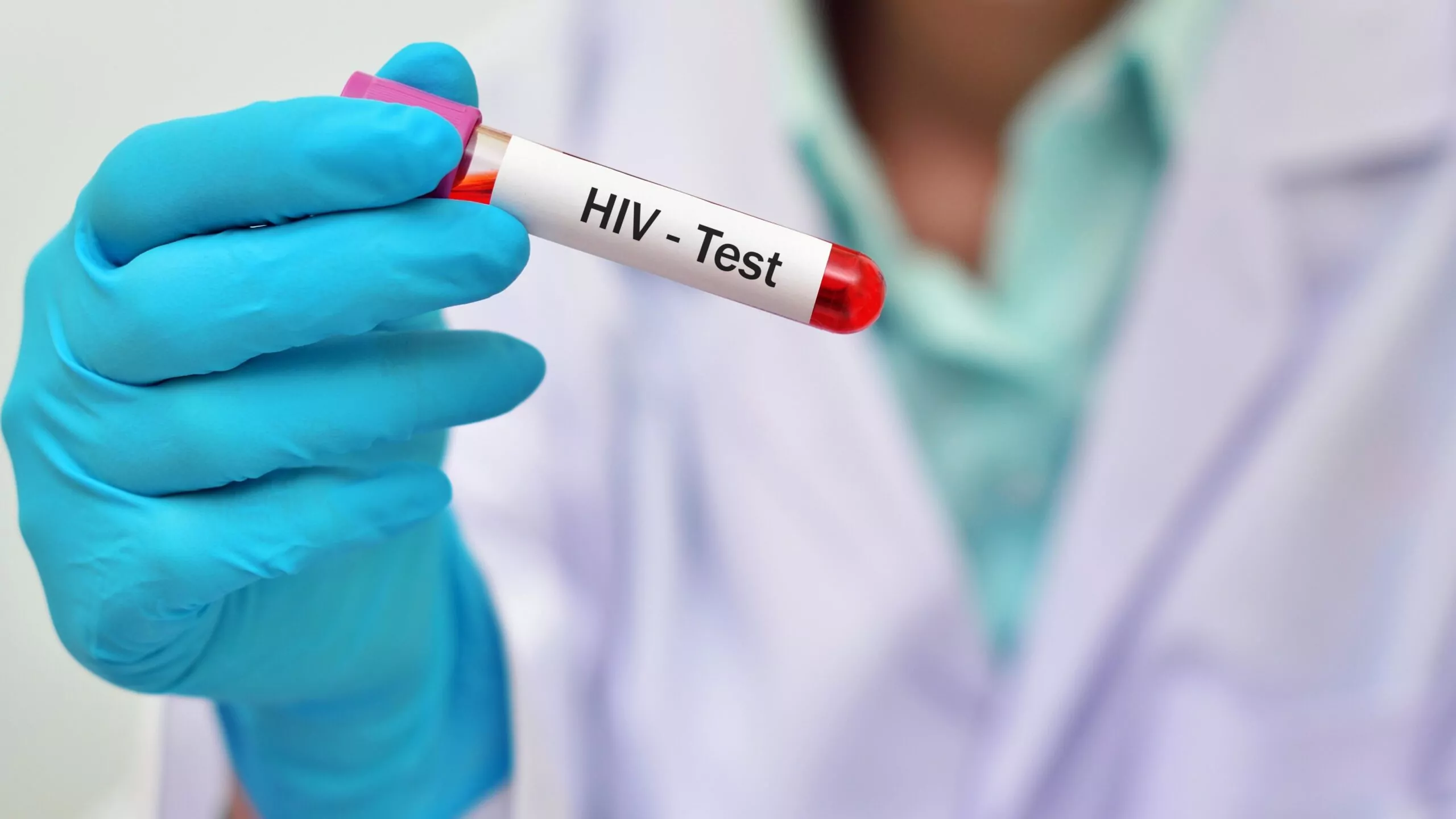
HIV testing checks a blood sample for signs of the human immunodeficiency virus, looking for HIV antibodies, the p24 antigen, or the virus’s genetic material. Because early HIV often has no symptoms, testing is the only reliable way to confirm your status.
In line with public health guidance from Singapore’s Ministry of Health, sexually active individuals should test at least once a year, or every 3 to 6 months if you have multiple or new partners, and speak to a doctor as soon as possible after higher-risk exposures such as unprotected sex, condom failure, sharing injection equipment, or if a partner notifies you of an STI.
Confidential and Discreet HIV Testing
At TAF Clinic, your HIV test is handled with strict confidentiality and discretion, and you can choose how much personal information to share at reception.
🔒
Confidential Testing
Under our standard confidential route, your visit is booked under your name in a private medical file and protected by medical confidentiality, as outlined in the HIV Disclosure section above. Results are shared only with you unless you specifically ask otherwise.
🛡️
Anonymous Testing
If you would rather keep your visit fully private, you can walk in without sharing your NRIC, FIN, or full name, and your record can be kept under a code you choose. Our team guides you through the process at reception.
Whichever route you choose, we handle every visit with discretion, and finger-prick rapid tests return same-day results. Both walk-in and appointment visits include rapid 4th generation and PCR RNA testing in a single appointment. Private HIV testing at TAF Clinic in Singapore is kept discreet and anonymous to anyone outside your immediate care, from check-in through to result.
Indications for HIV Testing
HIV testing is recommended in several situations, even if you don’t have any noticeable symptoms. Here are some key scenarios where getting tested is important:
-
Unprotected Sexual Activity
If you’ve had sex without a condom, you may be at risk of HIV or other sexually transmitted infections (STIs).
-
New Sexual Partner
Before becoming sexually active with a new partner, testing helps ensure both of you are informed and can take appropriate precautions.
-
Sharing Needles or Drug Equipment
Using shared needles or other drug paraphernalia increases the risk of HIV transmission because infected blood can pass between users.
-
Pregnancy or Family Planning
Pregnant individuals or those planning to conceive should be tested to protect both their own health and their baby’s health, since HIV can be passed on during pregnancy, birth, or breastfeeding.
-
Occupational Exposure
If you work in healthcare or have been exposed to potentially infected blood at work, testing helps rule out infection and, if needed, opens the door to post-exposure treatment.
-
Presence of Another STI
If you’ve been diagnosed with an STI, such as syphilis or gonorrhoea, testing for HIV is also recommended since co-infections are common.
-
Routine Screening
Regular testing is important for sexually active adults even if no specific risk factors or symptoms are present. Early detection and timely treatment protect your own health and reduce the chance of onward transmission.
Types of HIV Tests Available
3rd Generation HIV Test
This finger-prick rapid test detects antibodies produced by your immune system in response to HIV. Results are typically available within 20 minutes, which makes it a straightforward option when you need an answer during the same visit.
4th Generation HIV Test
This test detects both HIV antibodies and the p24 antigen, giving a fuller view of your HIV status. Because the p24 antigen appears in the blood earlier than antibodies do, this test can identify infections sooner than a 3rd generation test.
HIV PCR RNA Test
The HIV PCR RNA test looks for the virus’s genetic material directly and can detect infection as early as 10 to 14 days after exposure. This is the HIV blood test Singapore doctors often recommend when someone needs answers soon after a possible exposure, before antibodies or the p24 antigen would be detectable.
HIV Confirmatory Test
If an initial screen returns a positive result, a confirmatory test such as the Western Blot is used to check the diagnosis before treatment planning begins. This step reduces the chance of a false positive being acted on and gives you a firm answer before next steps.
Which HIV Test to Take Based on Time Since Exposure
The “window period” is the time between a possible exposure and the point at which a test can reliably detect the infection. Testing during the window period can return a false negative, which is why doctors match the test type to how much time has passed since the exposure.
Below is a general guide. Your doctor will confirm the right test for your situation during your pre-test consultation.
| Time Since Exposure | Recommended Approach |
|---|---|
| Less than 72 hours | An HIV test may not yet return a reliable result. Speak to a doctor about HIV PEP (post-exposure prophylaxis), which needs to be started within 72 hours of exposure to reduce the risk of HIV taking hold. |
| 10 to 14 days | HIV PCR RNA test can detect the virus’s genetic material directly at this stage. |
| 3 to 4 weeks | 4th generation antibody/antigen test detects both antibodies and the p24 antigen. |
| 12 weeks and beyond | Antibody testing and, where indicated, confirmatory testing give a reliable picture of your HIV status. |
Because window periods differ by test type, follow-up testing at 3 months is often recommended if your initial test was taken soon after a possible exposure. Your doctor will walk you through the timeline so you’re not left guessing.


HIV Testing Process
Below is a general guideline of what to expect during a visit for HIV testing at a men’s health clinic in Singapore. Your doctor may adjust the process based on your individual needs and the test performed.
Step 1: Pre-Test Consultation: Discuss your health history and risk factors with a healthcare professional to determine the most suitable test for your situation.
Step 2: Sample Collection: Depending on the test, a small blood sample may be taken via finger-prick or vein draw.
Step 3: Fast Results and Counseling: Results are delivered quickly, and our team provides guidance on next steps, whether that involves prevention, treatment, or further testing.
Walk-in visits are welcome for a discreet HIV test patients can complete without a lengthy wait, and same-day rapid testing is available during clinic hours. If you prefer an appointment, our team can arrange one at a time that works for you.
Do you need fast and discreet HIV testing?
Reach out to our friendly clinic staff to schedule an appointment.
Screening Packages
All packages are non-refundable. Prices are listed as published. A separate consultation fee may apply, and GST is indicated where relevant. Your doctor will confirm the total during your pre-test consultation.
If you’re comparing HIV test price options in Singapore, note that some tests require follow-up or confirmatory testing depending on your window period and initial result. Your doctor will explain any additional costs at your pre-test consultation.
Rapid HIV
$50 *Before GST
A blood test sent to an accredited laboratory to screen for HIV infection, with reliable results available after professional analysis.
Rapid 4th Generation HIV Test + Rapid Syphilis Test
$109 *with GST
A combined screening that detects both early HIV infection and syphilis using modern antibody and antigen testing methods for timely results.
HIV Viral Load
$350 *before GST
A specialised blood test that measures the amount of HIV in the bloodstream, commonly used for monitoring infection status and treatment response.
HIV Prevention and Management Services
HIV PrEP (Pre-Exposure Prophylaxis)
HIV PrEP is a preventative medication taken by HIV-negative individuals to reduce the risk of infection. It’s effective when taken consistently, with options for daily or on-demand use.
HIV Doxy-PEP (Doxycycline Post-Exposure Prophylaxis)
Doxy-PEP is an emergency treatment taken within 72 hours after potential exposure to HIV. It involves a 28-day course of antiretroviral medications.
HIV Treatment and Management
There is currently no cure for HIV, but antiretroviral therapy (ART) allows most people diagnosed today to manage the condition long-term. ART reduces the amount of virus in the blood, and when someone reaches a sustained undetectable viral load, the risk of sexual transmission to partners becomes effectively zero, a principle known as U=U (Undetectable = Untransmittable).
STD Treatment
Comprehensive care for sexually transmitted diseases is also available, and you can book STD screening in Singapore alongside HIV testing at TAF Clinic for a one-stop health visit.
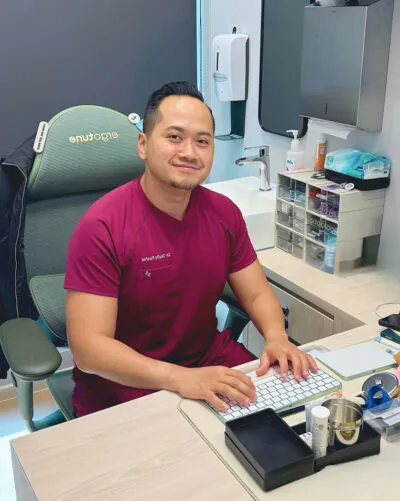
Dr Muhammad Taufiq Rashid
MBBS (NUS)
Member of SASO
Member of SMHS
Member Of ISSM
With over 15 years of experience in clinical practice and healthcare management, Dr Muhammad Taufiq Rashid focuses on men’s health and weight management. He is also a member of the International Society for Sexual Medicine (ISSM), reflecting his continued commitment to men’s wellness.
His care approach incorporates evidence-based medical procedures and tailored solutions designed to meet individual needs.
Dr Taufiq’s professional background spans a range of medical disciplines, equipping him with the knowledge and skills to guide patients in achieving their health goals. He is certified in circumcision techniques using the Shang Ring and ZSR Stapler methods, offering efficient and minimally invasive procedures completed in less than 15 minutes.
Education, Experience & Affiliations
Dr. Taufiq began his medical career as a Medical Officer under MOHH from 2006 to 2014, gaining valuable experience in multidisciplinary healthcare at Alexandra Hospital, KK Hospital, Bright Vision Hospital, and AMK THK Hospital.
From July 2017 to March 2021, he served as Chief Resident Physician at DTAP Clinic Somerset Branch, focusing on men’s health and providing holistic, patient-centered care.
As Medical Director at Pulse Medical Centre from April 2021 to December 2024, Dr. Taufiq led multidisciplinary care and advanced patient-first practices.
He holds certifications in ShangRing Circumcision, ZSR Stapler Circumcision, SCOPE certification, and ShangRing Training (Wuhu, Snnda, 2018). He is also a Certified Trainer for ShangRing Circumcision, ZSR Stapler Circumcision, Touchstone Circumcision, and the Storz T-Top Duolith Shockwave Therapy Machine.
In 2024, he completed the Androcourse under the Society of Men’s Health Singapore. Dr. Taufiq is a member of the Society of Men’s Health Singapore (SMHS), the Singapore Association for the Study of Obesity (SASO), and the International Society of Sexual Medicine (ISSM), reflecting his ongoing commitment to men’s health and weight management.
Make an Enquiry
Got Questions? Please fill in the enquiry form below and we look forward to addressing your question.
Our Location
SBF CENTER MEDICAL SUITES
160 Robinson Rd, #05-05, Singapore 068914
Mon – Thu: 9:00am to 2:00pm, 3:00pm to 6:00pm
Fri: 9:00am to 12:30pm, 2:00pm to 6:00pm
Sat: 9:00am to 1:00pm
Sun & PH: Closed
Fri: 9:00am to 12:30pm, 2:00pm to 6:00pm
Sat: 9:00am to 1:00pm
Sun & PH: Closed
Frequently Asked Questions About HIV Testing in Singapore
What’s the difference between 3rd and 4th Generation Tests?
The 3rd generation test detects antibodies your immune system produces in response to HIV. The 4th generation test detects those antibodies plus the p24 antigen, which allows it to identify infection earlier in the timeline after exposure.
How soon after exposure can I test for HIV?
The HIV PCR RNA test can detect the virus as early as 10 to 14 days after exposure. Antibody and 4th generation tests typically need at least 2 to 4 weeks to return a reliable result, with 12 weeks recommended for a firm confirmation.
Is my test result confidential?
Yes, your privacy is our priority. Results are shared only with you unless you specifically ask us to release them elsewhere, and healthcare providers are required to keep your HIV information private under Singapore law.
What are the symptoms of HIV?
HIV symptoms differ by stage. Early symptoms, which can appear 2 to 4 weeks after exposure, may include fever, sore throat, rash, and fatigue. In later stages, symptoms may include significant weight loss, night sweats, and persistent diarrhoea. Many people with HIV have no noticeable symptoms for years, which is why testing (not symptoms) is the only reliable way to know your status.
What is the window period for HIV?
The window period is the gap between exposure to HIV and the point at which a test can reliably detect the virus. Window periods vary by test type, ranging from around 10 to 14 days for PCR RNA testing up to around 3 months for antibody-based tests. During this period, an early negative result may not be conclusive, and follow-up testing is often recommended.
How often should I get tested?
Testing frequency depends on your risk factors. If you have multiple partners, engage in unprotected sex, or use PrEP, testing every 3 to 6 months is commonly advised. If your risk is lower, testing at least once as a sexually active adult and again when circumstances change is a reasonable baseline. Your doctor can recommend a schedule that fits your situation.
Is anonymous HIV testing available at TAF Clinic?
Yes, you can take an HIV test at TAF Clinic without providing your name or NRIC. Please let our reception team know on arrival that you would like to test anonymously, and they will guide you through the process. Confidential testing under your name is also available for anyone who prefers that route.
How much does an HIV test cost in Singapore?
Costs vary by test type and setting. An HIV test kit Singapore pharmacies stock is one at-home option, while at TAF Clinic, rapid HIV screening is priced at $50 before GST, the combined rapid 4th generation HIV and rapid syphilis screening is $109 with GST, and an HIV viral load test is $350 before GST. A separate consultation fee may apply. Please refer to the Pricing section above for the current list.
Can I walk in for a same-day HIV test?
Walk-in visits are welcome during clinic hours for a same-day HIV test at TAF Clinic. Finger-prick rapid tests return results in around 20 minutes during the same visit. Laboratory-based tests such as PCR RNA and confirmatory testing take longer, and results are shared privately once the lab reports back. Booking ahead helps reduce your wait time.