Many people find that travelling provides a unique opportunity for new connections and experiences. Whether it involves brief encounters or longer-term romances during international trips, these experiences often lead to common health considerations. Staying aware of your well-being after returning home is a natural part of a proactive lifestyle, as certain health changes associated with travel can often go unnoticed initially. Seeking information about staying healthy abroad is a practical step for anyone who enjoys exploring new destinations and building global connections.
STD screening in Singapore becomes particularly relevant after international travel. Different regions have varying prevalence of sexually transmitted infections. Holiday contexts often involve reduced access to protection or inconsistent condom use. The window between exposure and detectable infection means that timing your screening correctly determines whether you receive accurate results.
STIs are common, and when detected early, they are often manageable or treatable. Many produce no symptoms for weeks or months, yet remain transmissible to future partners. Detecting infections early simplifies treatment and helps prevent complications that can develop when conditions go unaddressed.
Why Travel Increases STI Risk
Several factors converge during holidays to elevate exposure risk beyond typical circumstances.
Alcohol consumption rises during vacations. Intoxication impairs decision-making around protection use and partner selection.
Condom access varies dramatically by location. While Singapore maintains a consistent availability of quality contraceptives, some travel destinations present challenges:
- They sell counterfeit products
- They store condoms improperly in hot conditions, degrading latex integrity
- They simply lack convenient purchasing options during late-night encounters
Language barriers complicate sexual health discussions with new partners. Negotiating protection use or discussing STI status becomes difficult when communication relies on gestures and translation apps.
The “what happens in Vegas” mentality creates psychological distance from consequences. Temporary relationships with people you’ll never see again feel disconnected from your regular life.
Common Infections Acquired During Travel
Chlamydia and Gonorrhoea
These bacterial infections spread efficiently through unprotected vaginal, anal, and oral sex. Both frequently produce no noticeable symptoms, particularly in early stages. When symptoms do appear, they typically include unusual discharge, burning during urination, or testicular discomfort.
Treatment involves straightforward antibiotic courses, though gonorrhoea increasingly shows resistance to certain medications. Testing becomes accurate approximately two weeks after potential exposure. Nucleic acid amplification tests (laboratory tests that detect the genetic material of bacteria) can sometimes detect infection slightly earlier.
HIV
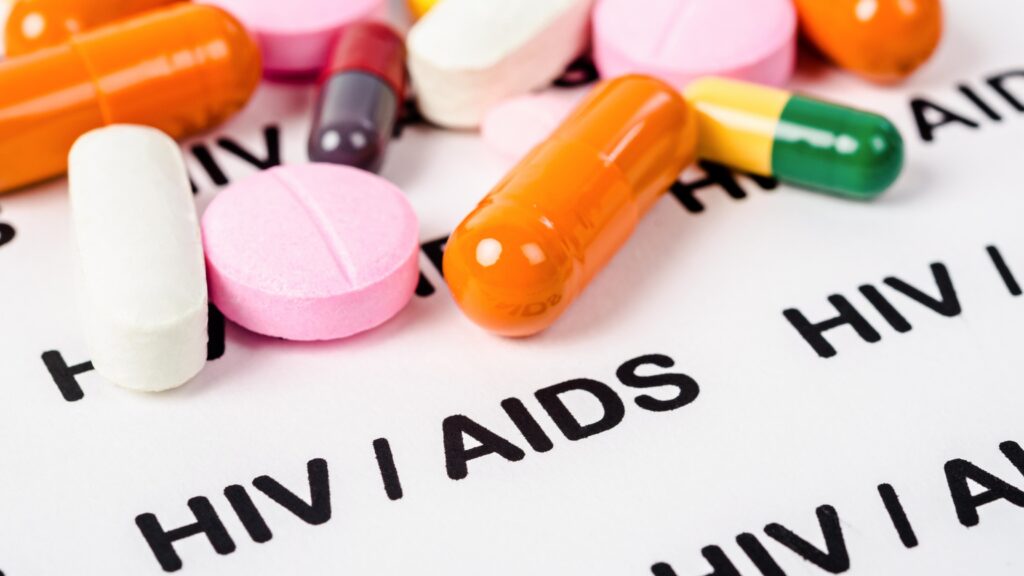
Human immunodeficiency virus (a virus that attacks the immune system, making it harder to fight infections) is transmitted through unprotected intercourse. Anal sex carries a higher transmission probability than vaginal sex.
Modern HIV testing detects infection reliably by four weeks post-exposure. Fourth-generation combination tests identify both antibodies (proteins your body makes to fight infection) and viral antigens (parts of the virus itself). Earlier testing may miss recent infections still in the window period.
Syphilis
This bacterial infection progresses through distinct stages if untreated. Initial infection produces a painless sore (chancre) at the infection site, often going unnoticed. Secondary syphilis causes rashes and flu-like symptoms weeks later. The infection then enters a latent phase with no visible signs while continuing to damage internal organs.
Blood tests detect syphilis antibodies approximately three to six weeks after exposure. The infection responds well to penicillin treatment at any stage. However, damage from tertiary syphilis cannot be reversed.
Herpes Simplex Virus
Both HSV-1 and HSV-2 (viruses that cause painful blisters, typically around the mouth or genitals) transmit through skin-to-skin contact. They don’t require penetrative sex. Condoms reduce but don’t eliminate transmission risk since they don’t cover all potentially infectious areas.
Many people carry herpes without knowing. Initial outbreaks range from severe to completely absent. Testing options include blood tests for antibodies (accurate after a period of time) or swab tests during active outbreaks. Whilst blood tests can help distinguish between the two main herpes types, no cure currently exists for either type.
Hepatitis B
This viral liver infection spreads through sexual contact and blood exposure. Vaccination provides protection. Many Singaporeans received hepatitis B immunisation in childhood. However, vaccine-induced immunity can wane over time. Not everyone completed their vaccination series.
Blood tests detect hepatitis B surface antigens (viral proteins that indicate active infection) and antibodies (which show either past infection or immunity from vaccination). Chronic hepatitis B requires ongoing management to help prevent liver damage.
Appropriate Testing Windows After Return
Rushing to a clinic the day after returning from holiday wastes time and money. Each infection requires a specific incubation period before tests can detect its presence.
💡 Did You Know?
Testing too early produces false negatives—the infection exists but hasn’t developed enough to trigger positive results. This creates false reassurance and potentially leads to transmission to subsequent partners.
Testing timeline:
- Two weeks post-exposure: Chlamydia and gonorrhoea become detectable through urine tests or swabs
- Four weeks post-exposure: Fourth-generation HIV tests achieve reliable accuracy. Syphilis blood tests begin detecting antibodies
- Six weeks post-exposure: HIV and syphilis testing accuracy increases further. This timeframe suits comprehensive screening covering frequently encountered infections
- Twelve weeks post-exposure: Window for HIV antibody-only tests and herpes blood testing. Some clinicians recommend repeating negative results at this point for complete certainty
What Comprehensive STD Screening Involves
STD screening in Singapore typically includes multiple test types addressing different infections through a single appointment.
Blood draw: Detects HIV, syphilis, hepatitis B, and hepatitis C antibodies (proteins indicating past or current infection) or antigens (parts of the virus itself). A single blood sample covers multiple infections.
Urine sample: Identifies chlamydia and gonorrhoea through nucleic acid amplification testing (a laboratory method that detects bacterial genetic material). No swabs are required for these infections when using urine-based methods.
Physical examination: Visual inspection can identify genital warts, herpes lesions, or other visible signs. The examining doctor may palpate lymph nodes and check for discharge.
Swab tests: Required for throat and rectal gonorrhoea/chlamydia testing if oral or anal sex occurred. Urine tests only detect infections in the urinary tract. They miss other anatomical sites.
⚠️ Important Note
Disclose all types of sexual contact during your consultation. Oral sex requires throat swabs. Anal sex requires rectal swabs. Testing only urine misses infections at other sites, potentially leaving active infections untreated.
Choosing Between Clinic Types
Several options exist for post-travel STD screening in Singapore, each with distinct characteristics.
Polyclinics offer subsidised rates for Singapore citizens and permanent residents. Wait times tend to be longer. The general practice setting provides less privacy than dedicated sexual health services.
Private GP clinics (general practice clinics run by family doctors) provide faster service with more scheduling flexibility. Costs vary significantly between practices. Not all GPs maintain current knowledge of sexual health testing protocols.
Dedicated men’s health clinics specialise in sexual health services with staff experienced in these consultations. The focused environment often feels more comfortable for discussing intimate health concerns. Testing protocols typically follow current clinical guidelines.
Anonymous testing services allow testing without revealing identity, though this limits follow-up care options if results return positive.
Discussing Results with Partners
Positive test results create obligations to inform recent sexual partners about potential exposure. This conversation proves difficult but helps prevent ongoing transmission chains.
For holiday contacts, direct communication may be impossible—you might lack contact details or face language barriers. Focus on partners you can reach, particularly any regular partners at home who deserve immediate notification.
Timing matters. Inform partners before your treatment completes so they can seek their own testing. Some infections require both partners to be treated simultaneously to prevent reinfection.
✅ Quick Tip
Prepare what you’ll say before the conversation. Stick to facts: what infection was detected, when exposure likely occurred, and what testing they should seek. Avoid blame or excessive apologising—focus on practical health information.
Reducing Risk During Future Travel
Post-trip screening addresses past exposures, but future travel benefits from proactive planning.
Pack protection: Bring condoms from Singapore rather than relying on availability or quality at your destination. Include water-based lubricant—oil-based products degrade latex.
Consider PrEP: Pre-exposure prophylaxis (a daily medication that reduces HIV transmission risk when taken consistently) can provide HIV protection when taken consistently. Discuss with a doctor before trips where you anticipate potential exposures.
Limit alcohol before encounters: Maintain enough clarity to use protection correctly and assess situations accurately.
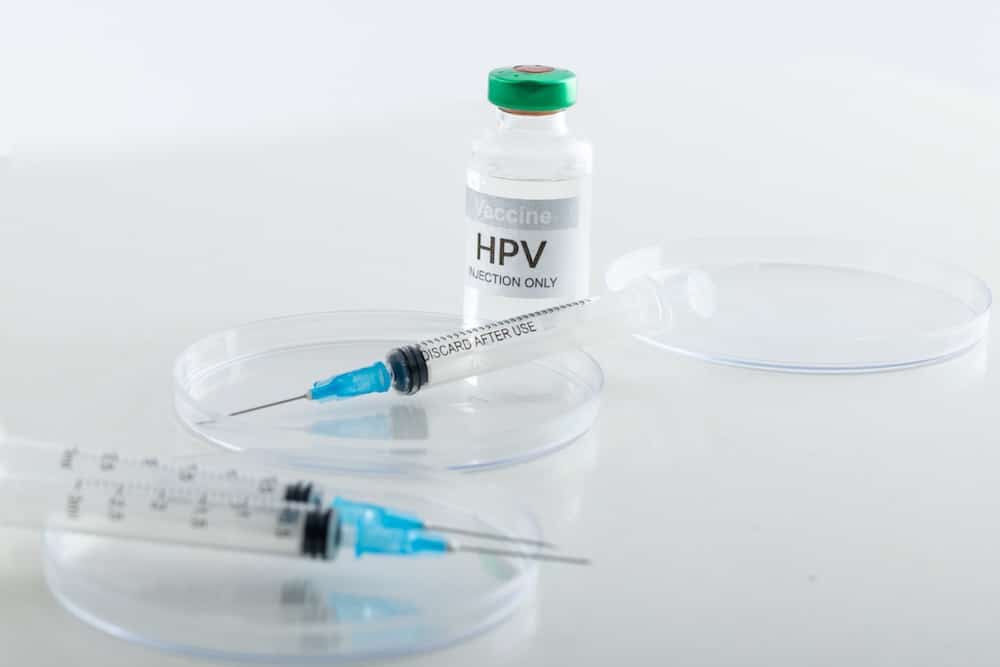
Vaccination status: Confirm hepatitis A and B immunity before travelling to higher-prevalence regions. HPV vaccination (which protects against human papillomavirus) protects against strains causing genital warts and certain cancers.
Preparing for Your Screening Appointment
Maximise the value of your consultation through simple preparation.
Document your timeline: Note approximate dates of encounters and types of sexual contact. This information guides which tests to order and whether the timing is appropriate.
List protection used: Consistent condom use versus inconsistent use versus none affects risk assessment. Include any condom failures, such as breakage or slippage.
Note any symptoms: Discharge, sores, rashes, burning urination, or other changes deserve mention even if they’ve resolved.
Bring identification and payment: Private clinics typically require upfront payment.
When to Seek Professional Help
- Any unusual discharge from the penis
- Pain or burning during urination
- Sores, bumps, or rashes in the genital area
- Testicular pain or swelling
- Persistent flu-like symptoms following potential exposure
- A partner informing you of their positive STI diagnosis
Screening also makes sense after unprotected sex with new partners abroad, even without symptoms. Asymptomatic infections (infections without noticeable symptoms) remain common and transmissible.
Commonly Asked Questions
How soon after returning should I get tested?
Wait at least two weeks for chlamydia and gonorrhoea testing. Wait four to six weeks for accurate HIV and syphilis results. Testing immediately after return produces unreliable results due to window periods.
Will my test results remain confidential?
Private clinics maintain patient confidentiality. Results don’t automatically report to employers or family members. Certain infections require notification to the Ministry of Health for public health surveillance, but this doesn’t affect your personal privacy.
What if I used condoms consistently?
Condoms reduce but don’t eliminate all STI transmission. Herpes and HPV spread through skin contact beyond areas covered by condoms. Condom failures (such as breakage, slippage, or incorrect application) also occur. Testing provides certainty that condom use alone cannot.
Are STI treatments complicated?
Bacterial STIs typically clear with short antibiotic courses—often single-dose treatments. Viral infections like herpes and HIV require ongoing management but respond well to modern medications. Early detection simplifies all treatment scenarios.
Should I inform my regular partner before getting results?
Consider informing them about potential exposure so they can make their own testing decisions. Waiting for your results delays their testing timeline unnecessarily if exposure occurred.
Next Steps
Accurate testing requires appropriate timing based on window periods. Schedule a comprehensive screening between four and six weeks after potential exposure for reliable results across most STIs. Early detection simplifies treatment and prevents complications.
If you’re experiencing unusual discharge, burning urination, genital sores, or testicular pain after travel, a men’s health specialist can provide a confidential evaluation and testing tailored to your specific exposure history.