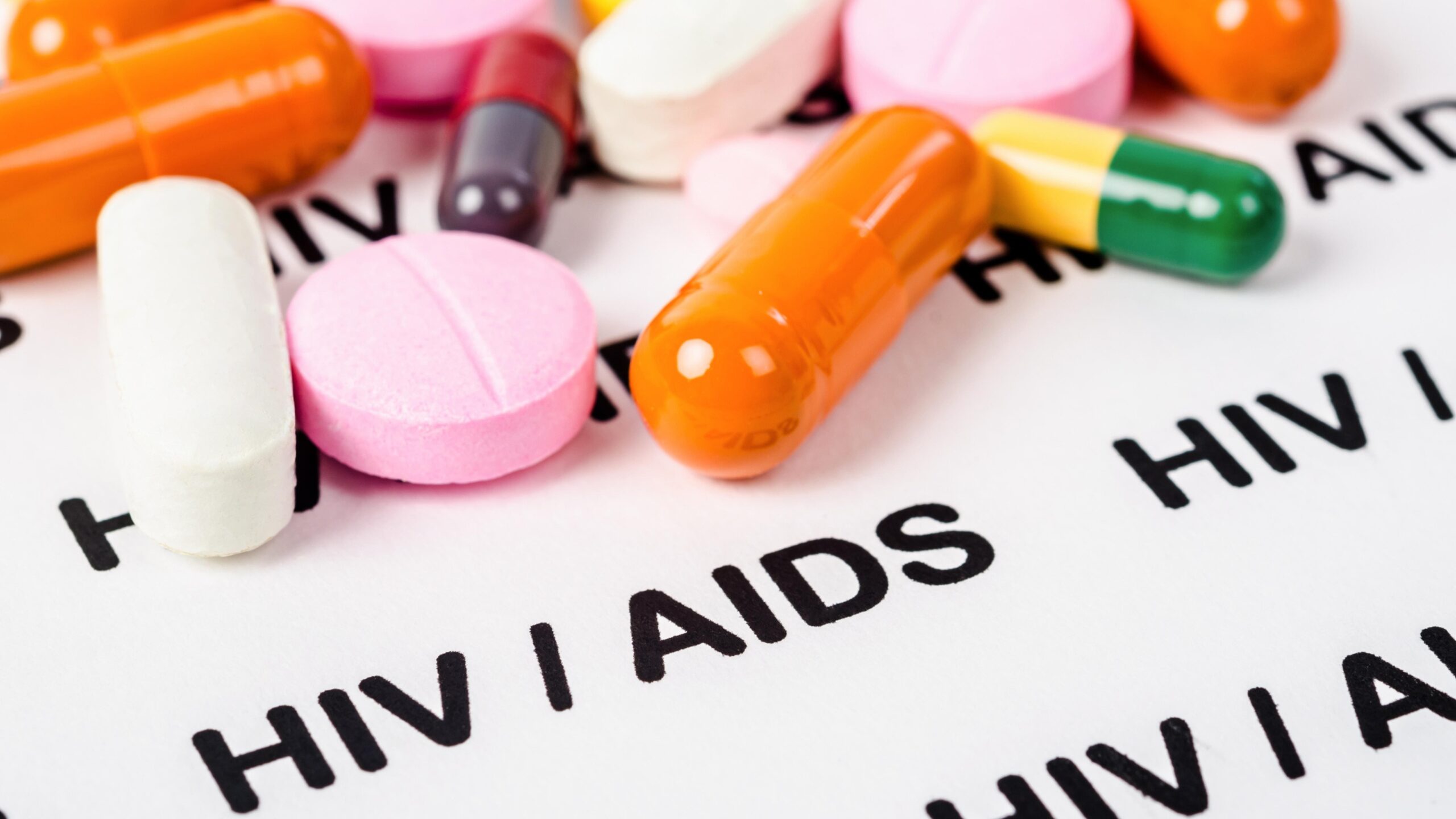
Starting HIV prevention medication as early as possible after potential exposure is critical. Post-exposure prophylaxis (PEP) is a 28-day antiretroviral medication course that can prevent HIV infection when started within 72 hours of potential exposure. The treatment works by stopping the virus from establishing itself in your body. Effectiveness decreases significantly with each passing hour.
Understanding the 72-Hour Window
PEP must begin within 72 hours of potential HIV exposure, but earlier initiation leads to better outcomes. Starting within the first 24 hours is associated with better outcomes. Effectiveness drops considerably after 48 hours. PEP is ineffective when initiated more than 72 hours after exposure.
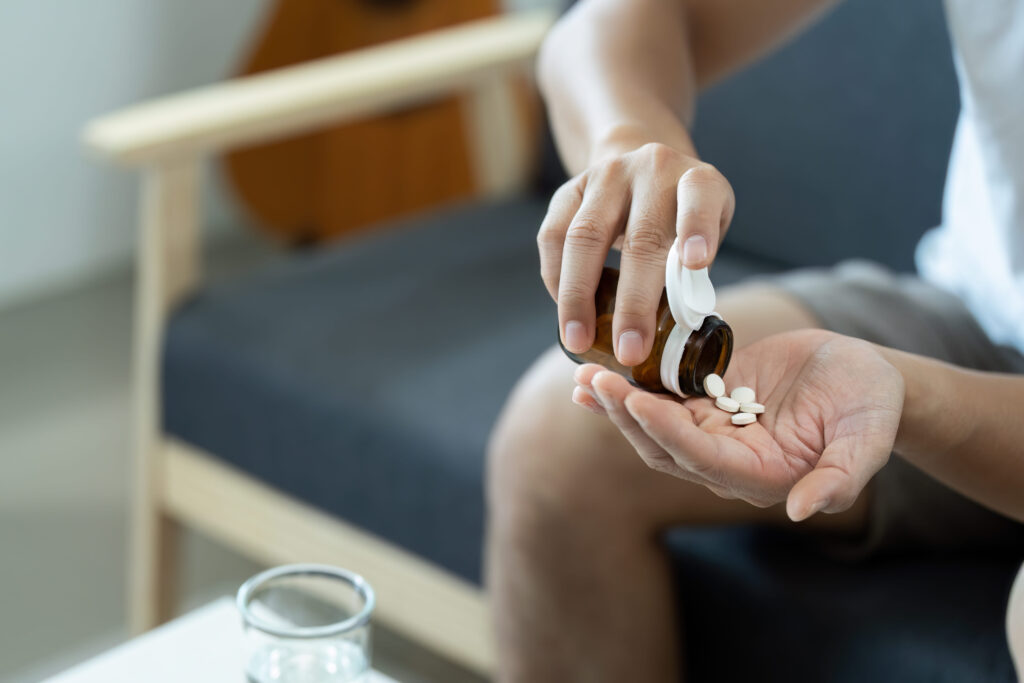
The medication regimen consists of two or three antiretroviral drugs (medications that prevent HIV from multiplying in the body) taken daily for 28 consecutive days. Missing doses or stopping early compromises the treatment’s effectiveness. Before prescribing PEP, healthcare providers assess several factors to determine if the treatment is appropriate for your situation:
- The exposure type
- The source’s HIV status, if known
- Your medical history
Hospital Emergency Departments
Public hospital emergency departments provide PEP around the clock. When you arrive at the emergency department, inform the triage nurse about potential HIV exposure. A doctor will see you and evaluate the exposure risk. The doctor will conduct baseline blood tests (tests performed before starting treatment to check your current health status) and initiate PEP if indicated. The emergency department typically provides a starter pack of medications covering the first few days. You’ll receive instructions to follow up at a specialist outpatient clinic for the remaining course.
Hospital emergency department visits involve standard consultation fees plus medication costs. Subsidised rates apply for Singapore citizens and permanent residents at public hospitals.
Private GP Clinics and Men’s Health Clinics
Several private clinics and men’s health clinics across Singapore stock PEP and can initiate treatment during regular consultation hours, with some offering extended evening hours and same-day appointments.
TAF Clinic is one such men’s health clinic that provides HIV PEP services in Singapore, including risk assessment, baseline blood tests, prescription of the full 28-day course, and scheduling of follow-up appointments.
Costs at private clinics are generally higher than subsidised public options, and pricing varies depending on the specific medications prescribed and clinic rates. If considering a private clinic, confirm that they stock antiretroviral medications before visiting, as not all general practice clinics carry them.
What Happens During Your PEP Visit
Regardless of where you access PEP, the clinical process follows similar steps. The doctor first assesses the exposure. They review the type of contact, timing, and any information about the source’s HIV status.
Healthcare providers order baseline blood tests. These tests check your current HIV status (PEP is only for HIV-negative individuals), kidney function (how well your kidneys are filtering waste from your blood), and liver function (how well your liver is processing substances and producing proteins). These results help guide medication selection.
They identify any contraindications (medical reasons why the treatment might not be safe for you). Some clinics can run rapid HIV tests on-site, which provide preliminary results within a short timeframe.
If PEP is appropriate, you’ll receive your first dose immediately. The doctor explains the medication schedule, common side effects, and the importance of completing the full course. Staff schedule follow-up appointments for monitoring and repeat HIV testing at specific intervals after you complete treatment.
Managing Side Effects During Treatment
Common side effects during the 28-day PEP course include:
- Nausea
- Fatigue
- Headaches
- Diarrhoea
These typically occur in the first week. They often improve as your body adjusts to the medication. Taking PEP with food reduces stomach-related side effects for most people.
More significant side effects require medical attention. These include:
- Severe abdominal pain
- Signs of allergic reaction (such as rash, swelling, or difficulty breathing)
- Yellowing of the skin or eyes
Your prescribing clinic should provide contact information for questions that arise during treatment.
Some people find the side effects challenging enough to consider stopping early. Speaking with your healthcare provider about symptom management is preferable to discontinuing treatment. Incomplete courses may not provide adequate protection.
Follow-Up Testing Schedule
Completing the PEP course is only part of the process. Follow-up HIV testing (repeated screenings performed after potential exposure to confirm whether infection occurred) confirms whether the treatment worked. Testing typically occurs at:
- 4-6 weeks after completing PEP
- 3 months after the exposure
These intervals account for the window period (the time between infection and when tests can reliably detect HIV). During this period, HIV may not be detectable on standard tests. Using condoms and avoiding potential exposures during this testing period protects both you and any partners until your HIV-negative status is confirmed.
Your prescribing clinic usually coordinates this follow-up testing. If you accessed PEP through an emergency department, the staff will refer you to an outpatient clinic. You can also arrange testing through a private provider.
Cost Considerations
PEP costs vary significantly depending on where you access treatment:
- Public hospitals and DSC Clinic: Subsidised rates for citizens and permanent residents reduce out-of-pocket costs. The medication course and consultations combined typically cost less at these facilities than private options.
- Private clinics: Full pricing applies. The complete 28-day course, including consultations and testing, potentially exceeds a substantial amount. Some clinics offer payment plans.
- Medication costs: Generic antiretrovirals (non-branded versions of the same medications that are considered bioequivalent) generally cost less than branded versions. Discuss options with your provider if cost is a concern. Generic alternatives exist.
Preparing for a PEP Consultation
Arriving prepared helps your consultation proceed efficiently:
- Note the exact date and time of potential exposure
- Record details about the type of contact
- Bring any information about the source person’s HIV status if known
- List current medications you take, including supplements
- Have your identification ready
Being specific about exposure details helps the doctor assess risk accurately. Medical consultations are confidential. Healthcare providers assess these situations regularly without judgment.
When to Seek Professional Help
- Unprotected sexual contact with a person of unknown HIV status
- Condom breakage or slippage during intercourse
- Needle-stick injuries or sharing of injection equipment
- Sexual assault
- Contact with blood or bodily fluids through open wounds
- Any situation causing concern about potential HIV exposure within the past 72 hours
Commonly Asked Questions
Can I get PEP without disclosing how the exposure happened?
You need to describe the type of exposure (sexual contact, needle-stick, etc.) for appropriate risk assessment. You’re not required to provide identifying details about other people involved. Doctors focus on clinical factors rather than circumstances.
What if I’m unsure whether my exposure was actually risky?
Consult a healthcare provider rather than deciding alone. Doctors can assess whether PEP is appropriate based on specific details. Starting PEP unnecessarily is preferable to missing a genuine exposure.
Can I take the PEP I got from someone else or ordered online?
Healthcare providers do not recommend self-medicating with PEP. Appropriate baseline testing, drug selection based on your health status, and medical monitoring improve both safety and effectiveness. Some online medications may also be counterfeit.
Will taking PEP affect future HIV test results?
PEP delays the time when HIV would become detectable if infection occurred. This is why follow-up testing extends to 12 weeks or three months after exposure rather than the standard window period. Your provider will explain the appropriate testing schedule.
Is PEP the same as PrEP?
Both use antiretroviral medications. PrEP (pre-exposure prophylaxis—a preventive medication taken before potential exposure) is taken before potential exposure as ongoing prevention. PEP is emergency treatment after exposure. If you experience frequent potential exposures, discuss PrEP with your doctor.
Next Steps
PEP must begin within 72 hours of exposure, with effectiveness declining each hour. Public hospitals offer 24/7 access with subsidised rates, while private clinics provide faster service during business hours. Complete the full 28-day course and attend all follow-up testing appointments.
If you’ve experienced unprotected sexual contact, needle-stick injury, or any potential HIV exposure within the past 72 hours, consult a men’s health specialist as soon as possible for risk assessment and timely PEP evaluation.