Travelling often brings new connections, and staying informed about one’s well-being is a natural part of a proactive lifestyle that includes understanding how different regional health patterns can lead to unique considerations. Awareness of local health trends, the role of specific vaccinations, and the importance of recognising changes in the body after returning home are practical steps for any global explorer. In some regions, certain infections have evolved into strains less common in Singapore, occasionally resulting in more extended recovery periods or requiring approaches that differ from standard local protocols. Seeking out modern perspectives on these topics ensures that travellers can focus on their journeys with a sense of informed, casual awareness.
Pre-Travel Medical Preparation
Vaccinations That Protect Against STIs
Hepatitis B vaccination can provide protection against a virus transmitted through sexual contact, blood, and other body fluids. The infection can cause chronic liver disease. It remains endemic in many popular travel destinations across Asia, Africa, and parts of South America. If you haven’t completed the three-dose hepatitis B series or your immunity has waned, discuss vaccination with a healthcare professional at least six weeks before departure. This allows adequate time for the initial doses.
Hepatitis A spreads through oral-faecal contact, including during certain sexual practices. The vaccine requires a single dose for initial protection, with a booster at six months for long-term immunity. Both hepatitis vaccines can be administered simultaneously at different injection sites.
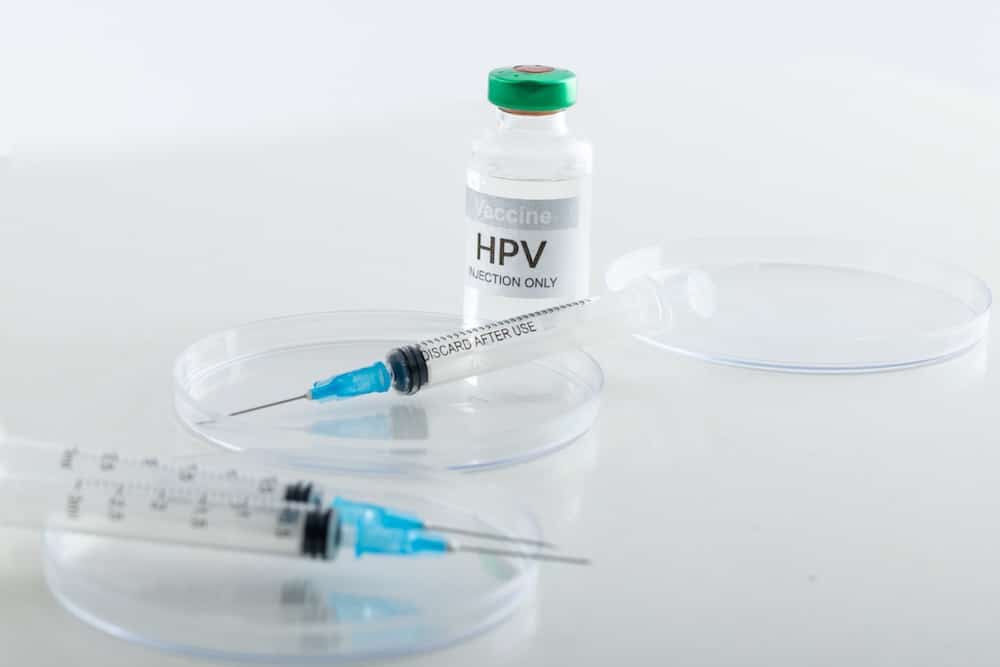
HPV vaccination protects against strains responsible for genital warts and various cancers affecting both men and women.
Baseline STI Testing
Getting tested before travel serves two purposes. First, it identifies any existing infections requiring treatment. Travelling with an untreated STI risks transmission to others and potential complications from delayed care in unfamiliar healthcare systems. Second, baseline results establish your status before departure. This simplifies the interpretation of post-travel testing results.
A comprehensive pre-travel screen (a screening test to detect potential STIs in healthy people before symptoms appear) typically includes:
- HIV
- Syphilis
- Gonorrhoea
- Chlamydia
- Hepatitis B surface antigen
Results usually return within several days. Schedule testing at least two weeks before departure.
What to Pack for Sexual Health
Condoms and Lubricants
Bring condoms from Singapore rather than relying on local availability. Quality varies significantly between countries. Unfamiliar brands may not meet the standards you expect. Condoms degrade in heat, so pack them in carry-on luggage rather than in checked bags, which are exposed to extreme cargo hold temperatures. Store them away from direct sunlight and sharp objects.
Water-based lubricant reduces condom breakage during use. Oil-based products—including massage oils, moisturisers, and some sunscreens—weaken latex and should never contact condoms. Travel-sized lubricant packets are widely available. They pass through airport security without issues.
Pack more condoms than you anticipate needing. Running out creates pressure to skip protection or use unfamiliar products.
Emergency Contact Information
Store the contact details of your regular clinic, including after-hours numbers. Photograph your health card and policy documents. Research English-speaking medical facilities at your destination before departure. The Singapore Embassy or Consulate website often maintains lists of healthcare providers for major cities.
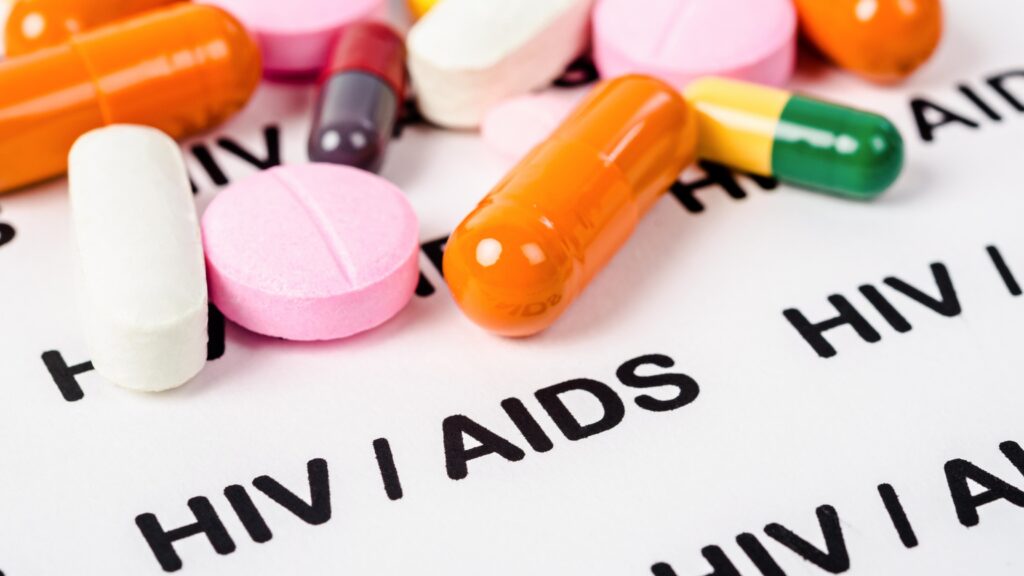
If you take PrEP (pre-exposure prophylaxis for HIV—daily medication that prevents HIV infection before exposure occurs), carry sufficient medication for your entire trip plus extra days for potential travel delays. Keep medication in original packaging with prescription labels visible.
💡 Did You Know?
Antibiotic-resistant gonorrhoea strains have emerged in several Southeast Asian countries. This makes infections acquired in these regions more difficult to treat. Some cases require alternative antibiotic combinations not typically used as first-line treatment.
Risk Reduction During Travel
Alcohol and Decision-Making
Alcohol impairs judgement about sexual partners. It reduces the likelihood of consistently using protection. Setting personal limits before going out, keeping condoms accessible regardless of plans, and travelling with friends who can help you make safer choices all reduce alcohol-related sexual health risks.
Drink spiking occurs in nightlife venues worldwide. Never leave drinks unattended. Accept beverages only from bartenders directly. Watch for unusual symptoms like sudden extreme intoxication disproportionate to consumption.
Recognising Higher-Risk Situations
Transactional sex—whether involving direct payment or exchange of other benefits—carries elevated STI transmission risk due to multiple partner exposure. In regions with high HIV prevalence, this risk increases substantially. Some STIs transmit efficiently through oral sex, contrary to common assumptions about lower risk.
Anonymous encounters without any contact information complicate partner notification if you later test positive for an infection. Consider exchanging at least a phone number or social media contact.
Group sex situations require additional precautions:
- Changing condoms between partners
- Avoiding sharing sex toys without proper cleaning
- Maintaining awareness of all activities occurring
Recognising STI Symptoms Abroad
Symptoms Requiring Medical Attention
Painful urination appearing within days of sexual contact may indicate possible gonorrhoea or chlamydia. Unusual discharge from the penis—whether clear, white, yellow, or green—warrants medical evaluation regardless of quantity. Genital sores, blisters, or ulcers may indicate herpes, syphilis, or other infections requiring diagnosis.
Seek medical care abroad if symptoms are severe, rapidly worsening, or accompanied by fever. Delaying treatment for weeks until returning home risks complications, including infection spread to other body areas, increased transmission to partners, and more difficult treatment.
For mild symptoms that appear near the end of your trip, returning home for testing and treatment with your regular provider is reasonable. Document symptom onset dates and any sexual contacts for accurate medical history.
Finding Healthcare Abroad
International clinics in major cities often provide confidential STI testing with English-speaking staff. Hotel concierges can recommend reputable facilities, though discretion varies. Sexual health clinics specifically may not exist in all destinations. General practitioners or hospital outpatient departments provide alternatives.
Prepare for different testing protocols, potentially longer result turnaround times, and varying medication availability. Some countries require payment up front with reimbursement later. Costs for STI testing abroad range widely, depending on location and facility type.
⚠️ Important Note
If you experience possible HIV exposure abroad—condom failure with a high-risk partner, sexual assault, or other significant exposure—post-exposure prophylaxis (PEP) must begin within a limited timeframe for effectiveness. Seek emergency medical care immediately. Do not wait until returning home.
Post-Travel Testing Timeline
When to Test After Returning
Different infections have different window periods. This refers to the time between exposure and when testing can reliably detect infection. Testing too early yields false negatives, missing infections that would be detected later.
Gonorrhoea and chlamydia: You can test from one to two weeks after exposure. Nucleic acid amplification tests (NAATs) on urine samples (lab tests that detect the genetic material of bacteria in a urine sample you provide) offer accurate results.
Syphilis: Blood tests become reliable at several weeks post-exposure. Early primary syphilis may show negative serology (blood tests that detect antibodies your immune system produces in response to infection). In contrast, a chancre (a painless sore at the site of infection) is still present.
HIV: Fourth-generation combination tests (blood tests that detect both HIV antibodies and a viral protein called p24 antigen) are reliable within several weeks for most infections. Confirmatory testing at a longer interval provides definitive results.
Hepatitis B: Surface antigen testing (a blood test that detects a protein on the virus’s surface, indicating active infection) at several weeks captures most infections. Repeat testing at a longer interval provides a conclusive status.
Herpes: Blood antibody tests require a considerable period to become positive. Testing is most useful when active symptoms are present, as swabs can directly identify the virus.
What to Tell Your Healthcare Professional
Provide accurate information about your travel destinations, types of sexual contact, number of partners, and condom use. This helps your healthcare professional order appropriate tests and interpret results correctly. Your healthcare professional may recommend rectal and throat swabs based on specific sexual practices. Infections at these sites don’t always show up on standard urine tests.
Mention any symptoms you experienced during or after travel, even if they resolved. Some STI symptoms disappear without treatment, while the infection persists. This makes history important for diagnosis.
What Our Men’s Health Specialist Says
Travel-related STI consultations frequently reveal gaps between perceived and actual risk. Patients often underestimate the transmission probability associated with specific encounters. They also assume certain practices carry no risk. A thorough sexual history allows appropriate testing. It identifies behaviours that could benefit from additional protection strategies, including PrEP consideration for those with ongoing exposure patterns.
Proper preparation, consistent use of protection, and timely post-travel testing address the significant preventable risks.
Putting This Into Practice
- Schedule a pre-travel consultation at least several weeks before departure to allow time for vaccinations requiring multiple doses and baseline STI testing with result review.
- Assemble your travel health kit with condoms in quantities exceeding expected need, water-based lubricant, any regular medications, including PrEP if applicable, and documentation of your prescriptions.
- Research healthcare options at your destination, including the locations of international clinics and hospital emergency departments, and your travel coverage for STI-related care.
- Set personal boundaries before arriving. Decisions made sober and in advance tend to serve long-term interests better than decisions made in the moment under unfamiliar circumstances.
- Plan post-travel testing by noting exposure dates during your trip and scheduling appointments for appropriate intervals after returning.
When to Seek Professional Help
- Painful urination or unusual discharge appearing after sexual contact
- Genital sores, blisters, ulcers, or unexplained rashes
- Possible high-risk exposure requiring PEP consideration (within a limited timeframe)
- Symptoms during travel that are severe or worsening
- Any sexual contact abroad warrants post-travel STI screening
- Interest in PrEP for future travel or ongoing exposure risk
- Difficulty discussing sexual health concerns with your regular healthcare professional
Commonly Asked Questions
How soon after unprotected sex should I get tested for STIs?
Testing immediately after exposure misses most infections due to window periods. For comprehensive screening, test at appropriate intervals for bacterial infections (gonorrhoea, chlamydia), syphilis, and HIV with confirmatory testing at a later interval. A healthcare professional can provide recommendations based on your exposure details.
Can I get STI treatment abroad and skip testing when I return home?
Treatment abroad addresses immediate symptoms, but post-travel testing remains essential. You may have acquired multiple infections with different incubation periods (the time between infection and symptom onset). Some infections are asymptomatic. Antibiotic resistance patterns abroad may require alternative treatment approaches. A negative test of cure (follow-up testing to confirm the infection has cleared) confirms successful treatment.
Does oral sex require the same precautions as other sexual contact?
Oral sex transmits gonorrhoea, syphilis, herpes, and HPV efficiently. Chlamydia transmission is less standard but documented. HIV transmission through oral sex is rare but possible with oral wounds or bleeding gums. Condoms or dental dams (thin latex or polyurethane sheets placed over the vulva or anus during oral sex) reduce transmission risk. Many people don’t use them consistently for oral contact.
What if I’m in a monogamous relationship but my partner travels alone?
Honest conversation about testing makes sense whenever either partner has potential new exposures. Frame this as routine health maintenance rather than an accusation to support trust in the relationship. Some couples agree to post-travel testing as standard practice regardless of reported activities abroad.
Is PrEP worth considering just for a holiday?
PrEP requires consistent daily dosing to achieve protective drug levels. It typically takes a specific period of daily pills for receptive anal sex protection and a longer period for other exposure types. For a short trip, starting PrEP before departure and continuing it during travel may provide benefits. Discuss timing and appropriateness with a healthcare professional based on your specific travel plans and anticipated activities.
Next Steps
Complete pre-travel vaccinations and baseline STI testing at least two weeks before departure. Pack adequate protection supplies and research healthcare facilities at your destination. Schedule post-travel testing at appropriate intervals based on window periods for different infections.
If you’re experiencing painful urination, unusual discharge, or genital sores after recent travel, consult a men’s health specialist for confidential testing and treatment.