If you have experienced a potential exposure to HIV, it is helpful to know that effective medical support is available through post-exposure prophylaxis (PEP). When initiated within a critical emergency window, these medications act as a protective shield, preventing the virus from establishing an infection.
In Singapore, healthcare providers offer two primary pathways—traditional 2-pill combinations and streamlined single-tablet regimens—both of which involve a continuous medication course for several weeks. Your doctor will partner with you to select a regimen that fits your medical profile and daily routine, ensuring you feel supported and confident in completing your treatment successfully.
Understanding the 2-Pill PEP Regimen
The 2-pill regimen typically combines two medications taken as separate tablets, featuring a “backbone” of two antiretroviral agents in one pill along with a second medication from the integrase inhibitor class. These medications work in tandem to block the virus’s ability to convert its genetic material and integrate into your cells, creating multiple barriers that prevent the virus from inserting its DNA into your cellular genome.
To ensure this dual mechanism effectively prevents infection, the 2-pill regimen requires consistent once-daily dosing, ideally at the same time each day, with the option to take the tablets with food to help manage any potential stomach discomfort, as advised by your healthcare provider.
Common Side Effects with 2-Pill Regimens
The 2-pill regimen may cause temporary physical adjustments as the body acclimates to the antiretroviral components during the initial stage of treatment.
- Digestive Issues: Occasional nausea or stomach upset, often managed by taking medication with food.
- General Fatigue: Brief periods of headaches or tiredness that typically resolve within a few days.
- Sleep Changes: Potential for vivid dreams or insomnia, which may improve by adjusting dosage timing.
The Single-Tablet PEP Option
Single-tablet regimens combine all necessary antiretroviral agents into one pill taken once daily, utilising modern formulations that achieve effective drug levels while managing systemic exposure. These options offer distinct clinical profiles for kidney and bone health, providing a streamlined alternative for individuals with specific medical concerns or those who find a simplified dosing schedule easier to maintain.
Because the process is straightforward—one pill, once daily, with or without food—this option significantly supports treatment consistency, particularly for individuals with busy schedules who may find managing multiple pills more complex.
Side Effect Profile of Single-Tablet Regimens
Single-tablet regimens generally offer a refined side-effect profile, with many individuals experiencing only mild, transient adjustments during the early stages of the course.
- Improved Tolerance: Generally lower frequency of nausea and digestive upset compared to older combinations.
- Minor Adjustments: Brief periods of headaches or mild diarrhoea that typically resolve within a few days.
- Better Rest: Modern formulations are frequently associated with fewer sleep disturbances.
- Stable Profile: Minimal impact on weight or long-term health markers due to the short treatment duration.
Comparing Effectiveness Between Regimens
Both regimens are considered effective when taken as prescribed. A vital factor in PEP success is adherence—completing the full continuous course without missing doses.
Clinical data supporting both approaches come from HIV treatment studies. The medications used in PEP are similar to those used for HIV treatment, where both regimen types work to suppress viral replication (the process by which HIV copies itself).
Missing doses reduces PEP effectiveness regardless of which regimen you choose. If you anticipate difficulty with consistency, discuss this openly with your prescribing doctor. Strategies such as reminders, daily routines, or regimen selection can be tailored to your situation.
Cost Considerations in Singapore
The single-tablet option typically involves a different cost structure than the 2-pill regimen due to the formulation and the convenience of combination manufacturing. Price differences can be observed over the full treatment course.
HIV PEP pricing in Singapore varies between providers. Public healthcare institutions and private clinics have different pricing models. Some clinics offer different levels of access and scheduling, which may be important given the limited window to start treatment.
Drug Interactions to Consider
Both regimen types interact with certain medications, supplements, and substances. Antacids, calcium supplements, and iron supplements can affect the absorption of certain PEP components—these should be taken several hours apart from your PEP medications as advised.
Specific treatments for other conditions, such as tuberculosis, can significantly reduce medication levels. This requires dose adjustments or alternative PEP regimens. Certain other medications and herbal supplements also affect PEP drug levels.
Discuss all medications, supplements, and recreational substances with your prescribing doctor. Some interactions require timing adjustments, while others necessitate choosing a different PEP regimen entirely.
💡 Did You Know?
Integrase inhibitors, used in both PEP regimen types, work by blocking a viral enzyme that HIV needs to insert its genetic material into human cells. Without this step, the virus cannot replicate or establish a permanent infection.
Making Your Decision
Your prescribing doctor can help guide regimen selection based on your individual circumstances. Factors associated with the 2-pill regimen include:
- Different cost profiles
- Established safety data over many years
- Familiarity among healthcare providers
Factors associated with the single-tablet option include:
- Simplified dosing
- Different kidney and bone safety profiles
- Potential for fewer gastrointestinal side effects for some individuals
The regimen you can take consistently for the full duration is an appropriate choice for you.
Managing Your Treatment Course
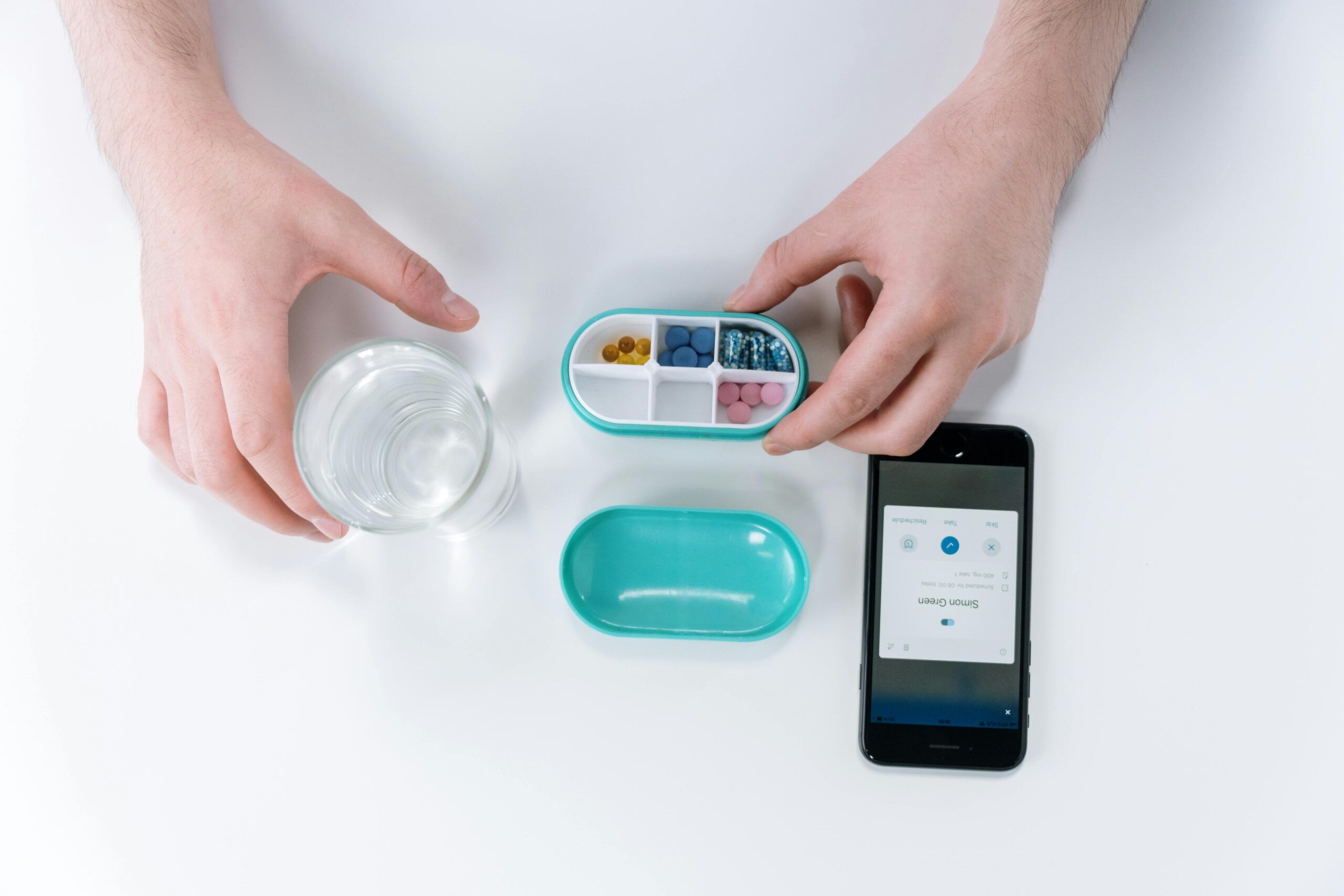
Set a daily alarm for your medication time and keep pills in a visible location. Many individuals find taking PEP with a regular meal creates a reliable routine tied to existing habits.
If you experience vomiting shortly after taking your dose, contact your healthcare provider for advice on whether to take another dose. Keep backup pills accessible if you travel during your treatment. Store medications at room temperature away from moisture and direct sunlight.
Contact your prescribing doctor if you experience significant side effects, persistent vomiting, or signs of an allergic reaction such as a rash or difficulty breathing. Your doctor can help you manage these symptoms.
Follow-Up Testing Schedule
Baseline HIV testing occurs at your initial PEP consultation to confirm your status before starting treatment.
Additional baseline tests typically include kidney and liver function tests, as well as screening for other sexually transmitted infections.
Repeat HIV testing is performed several weeks and several months after completing PEP.
These intervals allow sufficient time for the body to produce a detectable response if an infection occurs. Healthcare providers may recommend monitoring kidney function during treatment, particularly for individuals with specific medical histories.
When to Seek Professional Help
- Side effects preventing you from taking your medication
- Vomiting repeatedly after taking doses
- Rash, fever, or signs of allergic reaction
- New symptoms, such as a sore throat or swollen lymph nodes
- Running out of medication before completing the course
- Uncertainty about whether to continue after a missed dose
Commonly Asked Questions
Can I switch between regimen types during my course?
Switching is possible if side effects are difficult to manage. However, it requires medical supervision. Your doctor can help ensure the transition maintains protection and check for any new drug interactions.
Does alcohol affect PEP effectiveness?
Moderate alcohol consumption does not directly reduce PEP medication effectiveness. However, alcohol may worsen gastrointestinal side effects and can affect your ability to remember doses. Limiting alcohol during treatment supports better consistency.
What happens if I miss a dose?
Take the missed dose as soon as you remember. If it is almost time for your next dose, skip the missed dose and continue your regular schedule. Missing doses reduces effectiveness, so contact your doctor if you miss multiple doses.
Can I take PEP if I’m on PrEP?
If you have been taking PrEP consistently, you may already have protective drug levels. However, if your PrEP use has been inconsistent around the time of exposure, your doctor may recommend a PEP course.
Will PEP affect my future HIV test results?
PEP does not cause false-positive results. However, if an infection occurred, the medications may affect the timing of antibody development. This is why follow-up testing is recommended to confirm the final status.
Conclusion
Your choice between 2-pill and single-tablet HIV PEP regimens depends on cost considerations, side effect tolerance, and lifestyle factors. PEP must be started within the emergency window and completed for the full duration to be effective. Discuss both regimen options with your healthcare provider to determine which supports your adherence and addresses your medical needs.
If you’ve experienced potential HIV exposure, consult with a men’s health specialist immediately to discuss PEP regimen options, receive a timely evaluation, and begin treatment within the recommended timeframe.