It usually turns up quietly. An ache in the pelvis or perineum (the area between the scrotum and anus) that comes and goes, worse after sitting for a while or after sex, and never quite explained by the last few consultations. If that pattern sounds familiar, you’re likely dealing with something that has a name and a treatment plan, even if you haven’t heard it before.
Chronic pelvic pain syndrome, or CPPS, is one of the most common urological conditions in men under 50. It is also one of the most under-recognised, both by the men who live with it and by many doctors who aren’t looking for it. That gap is the real problem, but it’s a fixable one.
Below we’ll cover what CPPS actually is, what tends to drive it, how it shows up in daily life, and what treatment looks like at TAF Clinic.
What Is Chronic Pelvic Pain Syndrome?
Chronic pelvic pain syndrome is persistent or recurring pelvic pain lasting three months or more, without evidence of active infection or another identifiable cause. It sits under the broader umbrella of prostatitis classification as Category III, but it’s important to note that it is not bacterial prostatitis. Infection is not what’s driving it, which is one reason antibiotics so often fail to help.
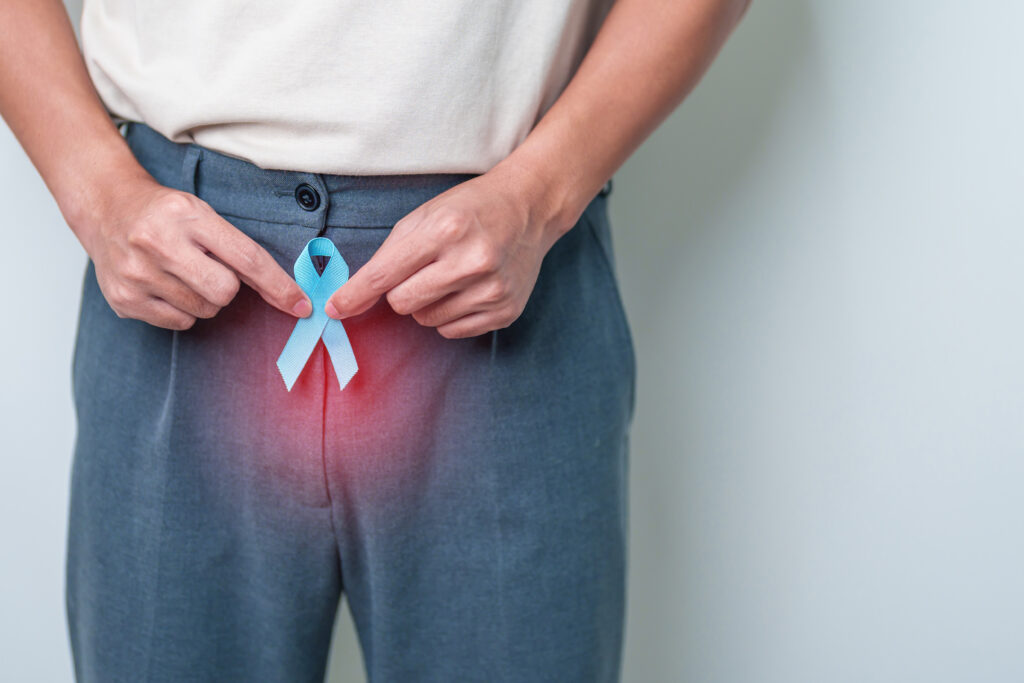
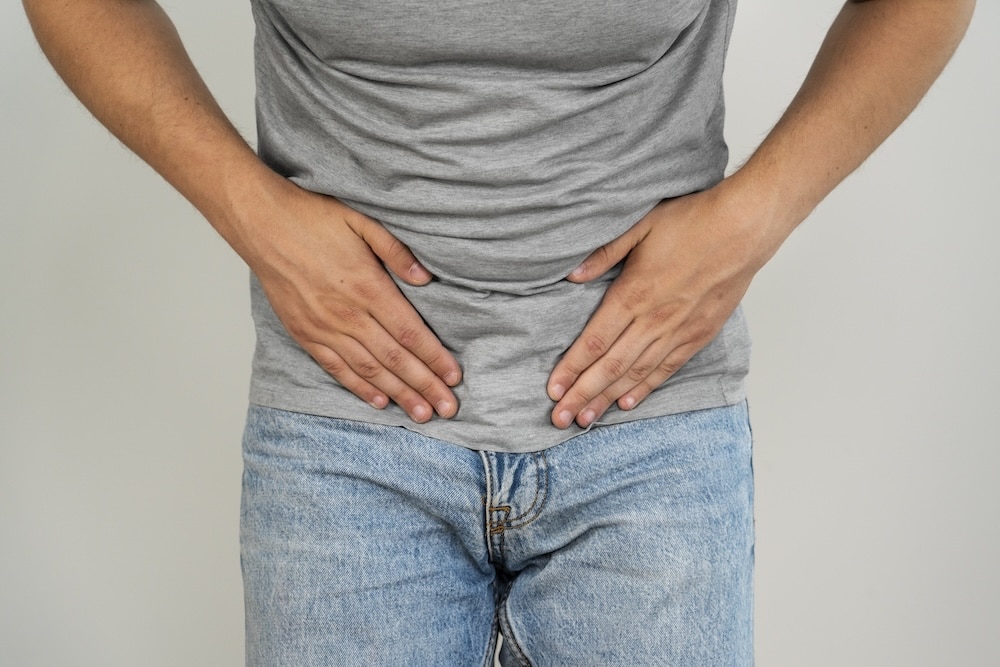
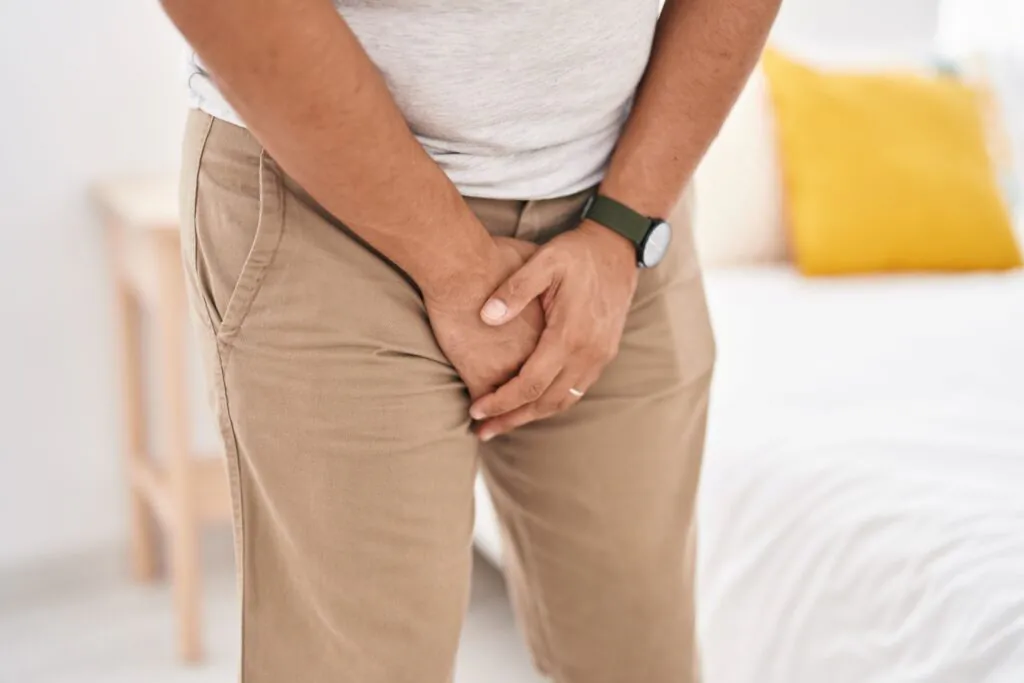
The pain itself can appear in several places, and it doesn’t always stay in one area. Men describe it in the perineum, the lower abdomen, the tip of the penis, or the testes, often in a combination that shifts over time. Pain during or after ejaculation is a common feature, and one many men don’t mention unless asked. If that’s part of your picture, it belongs in the conversation.
None of this means the pain is imagined or minor. It means the driver sits in the muscles, nerves and pain-processing pathways rather than in an infection, which changes what treatment should look like.
What Causes Chronic Pelvic Pain in Men?
The exact cause is not fully understood, which is part of why CPPS so often goes undiagnosed or misattributed. However, what we do know is that several factors tend to work together rather than any single one being solely responsible.
The main contributors we look for:
- Pelvic Floor Dysfunction: Tension or spasm in the pelvic floor muscles is a primary driver, and sustained stress, prolonged sitting, or prior trauma can all contribute.
- Central Sensitisation: After injury or inflammation, the nervous system can become hypersensitised, so pain signals keep firing even once the original trigger has resolved.
- Psychological Stress: Not a cause on its own, but a factor that measurably tightens the pelvic floor and heightens pain perception.
- Prior Infection: A past urinary tract or sexually transmitted infection can set off an inflammatory response that outlasts the infection itself, leaving nerves and tissue sensitised long after the infection is gone.
Living with CPPS: What It Looks Like
Most of the men we see with CPPS have been living with it for months or years before truly understanding what it is.
The physical side is familiar in a specific way. Long meetings become uncomfortable. Driving becomes an issue. Sex becomes something to weigh up rather than enjoy. Urinary symptoms like urgency or a sense of incomplete emptying wear on concentration during the day, and sleep suffers when the pain flares at night.
The other side of it is quieter, and often heavier. Cycling through consultations without answers is demoralising. It’s easy to start minimising your own symptoms because they don’t fit neatly into anything, or to stop mentioning them altogether. Relationships and work performance often take a hit too, and it’s easy to blame yourself for that rather than the condition driving it.
This often leads to a natural question: how long does CPPS last in men? The honest answer is that it varies. For some, symptoms ease meaningfully within a few months of starting the right treatment. For others, it’s a longer arc of steady improvement. But understanding what is driving the pain helps the treatment target the cause rather than just the sensation.
How TAF Clinic Approaches CPPS
TAF Clinic is a men’s health clinic in Singapore, and we treat CPPS as a diagnosis in its own right rather than as a label used when nothing else fits. That difference matters, because how a condition is framed decides how it gets treated. Alongside our work in erectile dysfunction, offering shockwave therapy erectile dysfunction in Singapore and caring for men’s sexual health in general, we also serve as a TRT doctor in Singapore men consult for hormone assessments, and we bring the same considered, evidence-based approach to pelvic pain.
For CPPS specifically, the core of our treatment is low-intensity shockwave therapy. It uses focused sound waves to stimulate tissue repair, improve blood flow in the pelvic region, and help settle the pain-signalling cycle that keeps the condition going. The procedure is non-invasive, performed in the clinic, and doesn’t require much downtime afterwards. Response to treatment varies between individuals, though, which is why proper assessment matters.
You Don’t Have to Keep Managing This Alone
If any of the picture in this article felt uncomfortably familiar, that recognition is worth acting on. CPPS is real; it has identifiable drivers, and treatment options exist. A consultation that hasn’t produced answers before is not the end of the road.
If you’d like a proper assessment and a conversation about what treatment could look like for your particular symptom pattern, we’d be glad to see you. Book a consultation with TAF Clinic and we’ll take it from there.