
For the first few months, the pattern was clear. The scale moved, the clothes felt looser, and the work felt like it was paying off. Then it slowed, before stopping altogether. Neither the medication nor the effort has changed. But the number on the scale barely shifted in weeks.
Here’s the reassuring part: a plateau on tirzepatide isn’t a sign the medication has stopped working. It’s a predictable physiological response, one that most people on GLP-1 therapy will hit at some point, and one the body arrives at for specific, understandable reasons. Knowing those reasons is what makes it possible to do something about them.
The Science Behind the Tirzepatide Stall
As body weight decreases, total daily energy expenditure decreases with it. This is called metabolic adaptation, and it’s the body’s built-in survival response. Three processes drive most of this:
- Reduced Resting Calorie Burn: A lighter body simply burns fewer calories at rest. The calorie deficit that worked at 90kg may no longer be a deficit at 78kg; the body has recalibrated, and the numbers have shifted with it.
- Loss of Lean Muscle Mass: Significant appetite suppression can quietly erode muscle if protein intake drops alongside it. Muscle is metabolically active tissue, so losing it lowers the resting calorie burn further, compounding the adaptation already underway.
- Hormonal Rebound: Ghrelin, the hormone responsible for hunger signalling, tends to rebound over time even with tirzepatide on board. This doesn’t mean the medication stops working, but it can subtly increase appetite and reduce the appetite-suppressing effect that felt so pronounced in the early months.
This doesn’t reflect a problem with the weight loss medication like tirzepatide or with you. It reflects the body doing exactly what bodies do.
Plateau vs Normal Fluctuation: How to Tell the Difference
Before concluding that tirzepatide progress has genuinely stalled, it’s worth ruling out the more common culprits. The scale can hold steady or even tick upward for reasons that have nothing to do with fat loss.
Water retention from a higher-sodium meal, hormonal shifts across the month, temporary inflammation from increased training load, and constipation (which is common on GLP-1 therapy) can all move the number by one to three kilograms without reflecting any real change in body composition.
A practical rule of thumb: a true plateau is four to six weeks of no meaningful change on the scale and no change in how clothes fit or body measurements. Anything shorter than that is worth monitoring, not acting on.
How to Get Over a Plateau on Tirzepatide
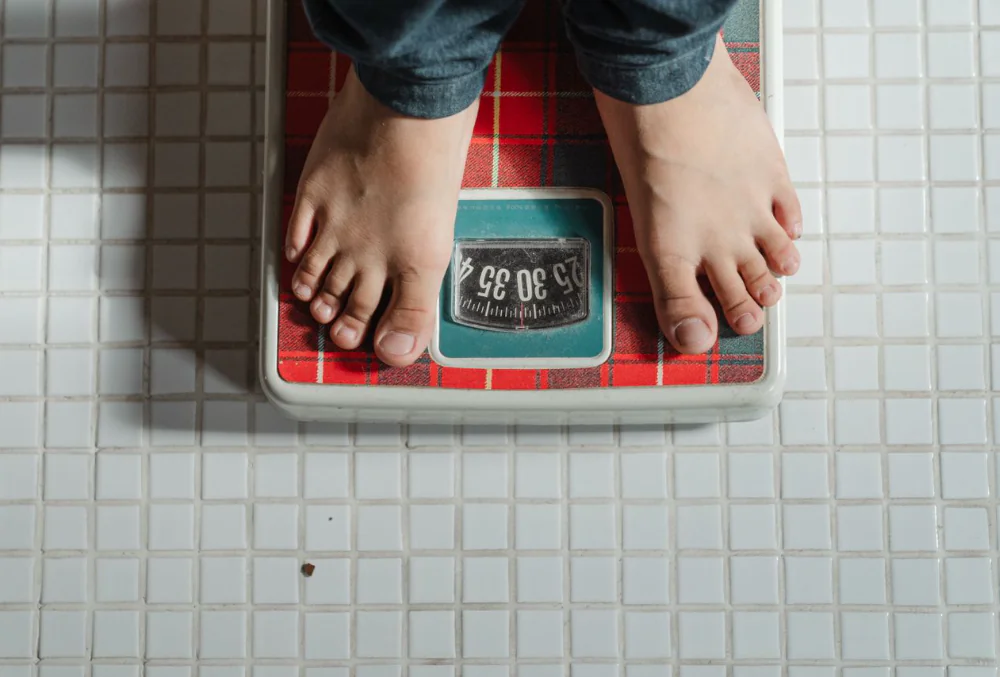
How do you break a tirzepatide stall? Not by starting over, and not by doubting the medication. The answer is usually a set of targeted adjustments that support what tirzepatide is already doing.
Reassess Your Protein Intake
Protein preserves lean muscle during a calorie deficit, keeps satiety higher for longer, and has the highest thermic effect of all macronutrients, meaning the body burns more calories digesting it than it does processing carbohydrates or fat. For men and women on GLP-1 therapy, a commonly cited target is 1.6 to 2.2 grams and 1.2 to 1.6 grams per kilogram of body weight daily, respectively.
The problem is that appetite suppression makes it easy for protein intake to quietly drop without you noticing. Tracking intake for even a week often reveals a gap that explains a stall. This is one of the most straightforward adjustments to make, and one of the most effective.
Add or Prioritise Resistance Training
If the plateau is partly driven by muscle loss, cardio alone won’t resolve it. Cardio burns calories during the session; resistance training rebuilds and preserves the metabolically active tissue that keeps the resting burn higher over time.
For most people in this situation, three sessions per week of compound movements is a solid and sustainable starting point. This doesn’t require a dramatic training overhaul, just a shift in emphasis.
Review Your Dose with Your Doctor
Tirzepatide is a dose-titrating medication, and a plateau can sometimes indicate that the current dose is no longer producing the physiological effect it did at an earlier body weight. This is a clinical decision to make with your prescribing doctor, not one to navigate alone or by adjusting informally.
For those managing tirzepatide injections in Singapore, staying in regular contact with the clinic means dose reviews happen at the right time, based on your full picture, rather than weeks after they should have.
Audit the Habits That Slipped
Appetite suppression tends to be strongest in the early months of GLP-1 therapy. As it normalises, small habits can quietly drift back: slightly larger portions, more frequent snacking, alcohol returning to earlier frequency. These shifts are gradual enough that they rarely feel significant in the moment. A brief, honest audit of what has changed since the beginning of treatment is often more revealing than people expect.
A Plateau Isn’t the End of Progress
A stall on tirzepatide is a normal and addressable phase, not evidence that the medication has run its course or that further progress is out of reach. The body has adapted, and the response is to adapt alongside it.
For those on Mounjaro or GLP-1 therapy in Singapore, TAF Clinic offers medically supervised weight management that goes beyond the prescription. Dr Muhammad Taufiq Rashid and the team provide ongoing monitoring, timely dose reviews, and the practical lifestyle guidance needed to push through stalls rather than waiting them out. The prescription is one part of the process; the support around it is what keeps things moving.
If progress has stalled and you’re not sure what to adjust, a consultation is the right next step. Come in to our TRT clinic in Singapore and we’ll work through it together.