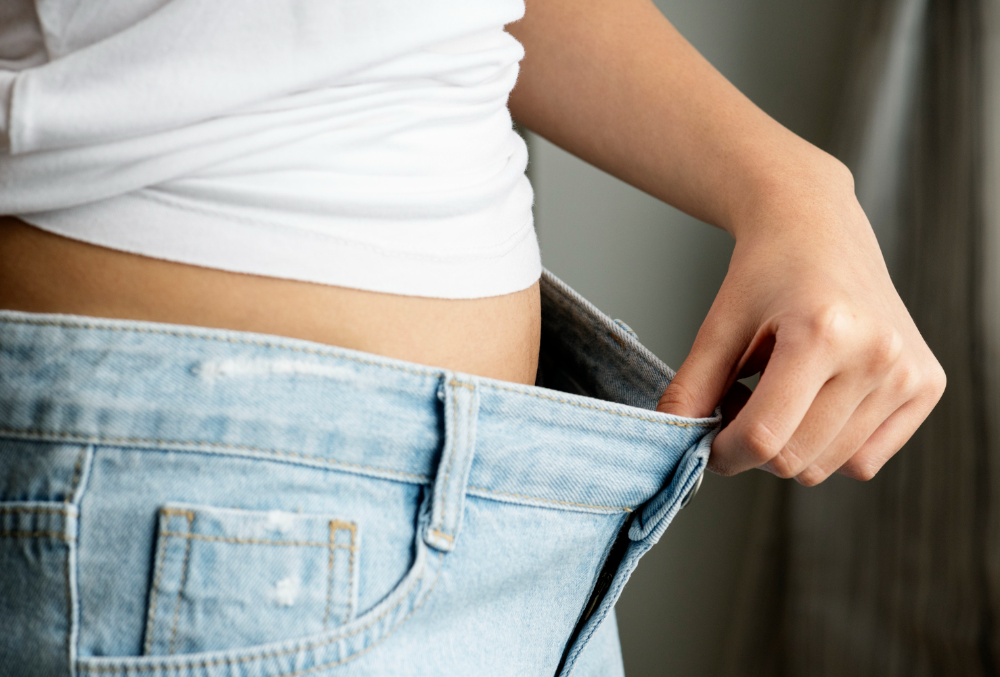
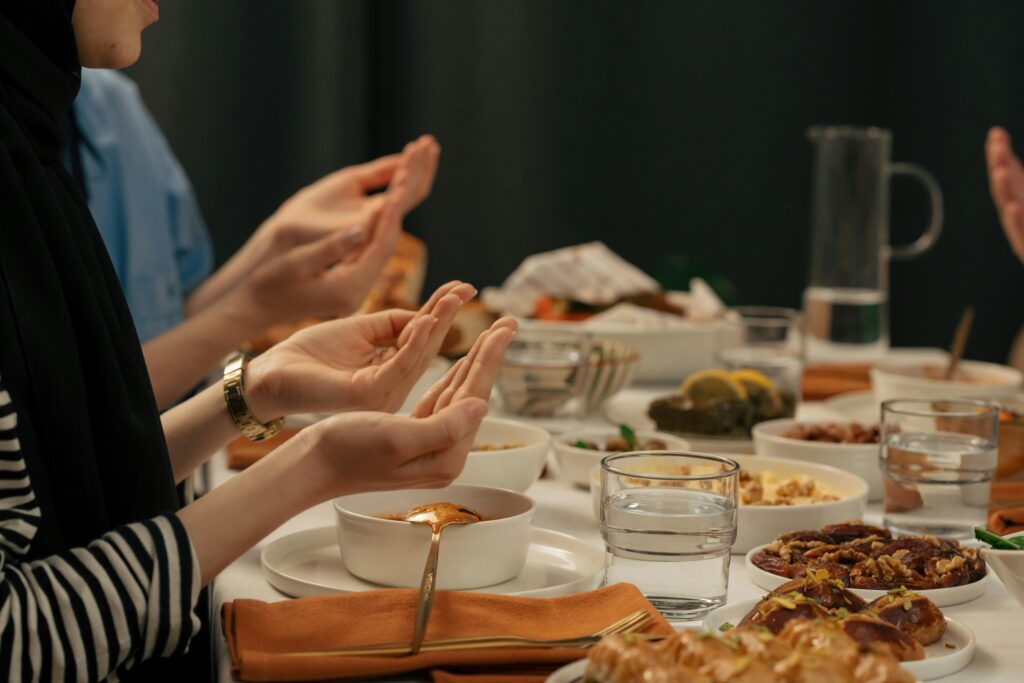
Festive seasons in Singapore, from Deepavali to Christmas and Chinese New Year, bring a unique blend of cultural traditions and abundant culinary celebrations. It is quite common for a single festive meal to provide a significant amount of energy, sometimes exceeding a typical person’s entire daily requirement. These gatherings often test even the most disciplined habits due to social expectations and the sheer variety of food available. Managing these moments is less about restriction and more about finding a sustainable balance within our daily rhythms, allowing us to enjoy shared traditions while remaining mindful of our overall well-being.
Weight management strategies during this period differ from standard approaches because they must account for unpredictable schedules, varied cuisines, and the legitimate desire to participate in cultural food traditions. Your body processes excess calories the same way regardless of the occasion. However, the psychological and social dynamics of festive eating create distinct challenges.
The Physiology of Holiday Weight Gain
Body weight fluctuates based on energy balance—calories consumed versus calories expended. However, holiday weight changes involve additional factors beyond simple overeating. Sodium-rich festive foods cause temporary water retention, often adding substantial weight that resolves within days of returning to standard eating patterns.
Actual fat accumulation requires sustained caloric surplus. A single large meal, even one containing considerably more calories than maintenance needs, has a limited impact when you follow it with regular eating patterns. The challenge emerges when multiple high-calorie occasions cluster together over weeks.
Alcohol consumption compounds caloric intake whilst simultaneously lowering inhibitions around food choices. A standard glass of wine contains roughly the same calories as a slice of bread. Festive drinking patterns often involve multiple servings alongside already substantial meals. The metabolic processing of alcohol also temporarily pauses fat burning as your body prioritises clearing the alcohol from your system.
Sleep disruption during holiday periods affects hunger hormones. Reduced sleep increases ghrelin (a hormone that triggers hunger signals) whilst decreasing leptin (a hormone that signals fullness). Late nights at gatherings, followed by early-morning commitments, create conditions in which your body signals increased hunger despite adequate or excessive caloric intake.
Strategic Eating at Festive Gatherings
Arriving at events with a plan prevents reactive eating driven by hunger or social momentum. Eat a protein-rich snack before attending functions—eggs, Greek yoghurt, or nuts. This reduces the likelihood of overloading on arrival when the full spread becomes visible.
Plate composition significantly influences total consumption. Survey the available options before serving yourself. This allows strategic selection rather than taking everything within reach. Fill half your plate with vegetables and protein sources first. This creates physical limits for higher-calorie items without requiring you to skip them entirely.
Eating speed directly affects satiety signals. Your gut requires time to communicate fullness to your brain. Festive meals often proceed quickly with multiple courses and social conversation, fragmenting attention from eating cues. Deliberately slow your consumption—set utensils down between bites, engage in conversation, drink water throughout the meal. This allows physiological signals to catch up with intake.
Positioning matters at buffet-style gatherings. Standing near food tables increases unconscious grazing. Move away from serving areas after plating your food.
💡 Did You Know?
The size of serving utensils affects portion sizes independent of hunger levels. Larger spoons lead to larger servings without conscious awareness. Choose smaller utensils at buffets to naturally moderate portions without requiring deliberate restriction.
Managing Alcohol Intake Without Social Awkwardness
Drink pacing strategies reduce total alcohol consumption without drawing attention or requiring explanations. Alternate alcoholic beverages with water or sparkling water. This maintains social participation whilst significantly moderating alcohol intake. Hold a drink—alcoholic or otherwise—to reduce offers from hosts and social pressure to accept drinks.
Choose lower-calorie options when drinking to moderate overall intake. Spirits with soda water contain fewer calories than cocktails with sugary mixers or cream-based liqueurs. Wine generally contains fewer calories per standard drink than beer, though serving sizes vary.
Set a personal limit before arriving at events. This provides a clear endpoint. Decide in advance to have two drinks rather than making ongoing decisions throughout the evening. This removes repeated willpower challenges. Inform a partner or friend of your intention. This creates accountability without public announcement.
Non-alcoholic alternatives have expanded significantly. Many gatherings now include mocktails or premium non-alcoholic beers. These allow participation in toasting and social drinking rituals without alcohol. Request these options or bring them yourself.
Physical Activity During Disrupted Schedules
Maintaining some physical activity proves more valuable than attempting to maintain full exercise routines during holiday periods. Reduced frequency and duration of exercise still preserves fitness foundations. It supports metabolic health (how your body processes energy and nutrients) better than complete cessation followed by aggressive January resumption.
Schedule morning movement before the day’s obligations begin. This ensures activity happens regardless of how events unfold. Even a modest period of walking, bodyweight exercises, or stretching maintains the habit structure that enables long-term consistency.
Family and social activities can incorporate movement without formal exercise. Suggest walks after meals, active games with children, or exploring neighbourhood light displays on foot.
Resistance training (exercises using weights or body resistance to build strength) particularly benefits weight management by preserving muscle mass during periods of caloric fluctuation. Muscle tissue burns more calories at rest than fat tissue. Maintaining strength through holidays supports metabolic rate even when cardio routines lapse.
⚠️ Important Note
Attempting to “earn” festive meals through excessive exercise or “burn off” indulgences afterwards establishes an unhealthy psychological relationship with food and activity. Physical activity supports overall health independently of compensating for eating choices.
Navigating Social Pressure and Food Pushers
Hosts often express care through offering food. Declining can feel like rejecting their hospitality. Accept small portions whilst expressing genuine appreciation. This satisfies social obligations without requiring consumption of unwanted quantities. Compliment specific dishes to create positive interaction around food without committing to eating more.
Prepare responses to reduce in-the-moment decision fatigue. Simple phrases like “This is delicious, but I’m satisfied” or “I’m pacing myself to enjoy everything” deflect pressure without requiring explanations about health goals or dietary restrictions.
Redirect the conversation away from your eating choices. Ask hosts about recipe origins, compliment the gathering organisation, or engage in other topics. This shifts attention from your plate to broader social interaction.
Family dynamics around food often carry historical patterns that intensify during gatherings. Recognise these patterns—the relative who always comments on portions, the tradition of competitive second helpings. This allows conscious responses rather than reactive compliance with unhelpful dynamics.
Smart Choices Across Different Festive Cuisines
Chinese New Year Feasting
Reunion dinners and visiting cycles create extended exposure to high-calorie traditional foods. You can moderate yu sheng portions by focusing on the fish and vegetables whilst reducing sauce drenching. Pineapple tarts, bak kwa, and love letters appear in virtually every home visited. Accept one or two pieces at each stop to maintain politeness without excessive consumption across multiple visits.
Steamboat meals offer natural portion control through the cooking process. Select vegetables, tofu, seafood, and lean meats over processed items like fishballs and luncheon meat whilst limiting starchy components. This provides satisfying communal dining with better nutritional balance.
Deepavali Celebrations
Sweets feature prominently in Deepavali celebrations, with offerings appearing at every household visited. Select one small piece and savour it genuinely. This provides cultural participation without consuming large quantities of sweets across visiting rounds. Many traditional sweets are dense in sugar and ghee, making small portions calorically significant.
Biryani, curry, and fried snacks dominate savoury offerings. Focus on tandoori preparations over fried options and select yoghurt-based curries over coconut-heavy versions.
Christmas and New Year Gatherings
Western-style holiday meals often feature rich proteins like ham, turkey, and roasts alongside cream-based sides and desserts. Fill plates with lean protein portions and vegetable sides first. This allows enjoyment of celebratory foods whilst naturally limiting higher-calorie items.
Gravy, sauces, and dressings add substantial calories invisibly. Request these on the side or apply them sparingly yourself. This provides flavour control without eliminating traditional preparation components entirely.
✅ Quick Tip
At buffets with multiple cuisine options, complete one plate before returning for different items. This prevents the common pattern of accumulating enormous variety that exceeds actual appetite once everything is served.
Recovery Strategies After Indulgent Periods
The day after significant indulgence, benefits from increased water intake, moderate portions, and vegetable-rich meals rather than restrictive “detox” approaches. Your body manages caloric excess naturally when subsequent intake normalises.
Avoid stepping on the scale immediately after festive meals to prevent misinterpreting temporary water retention as permanent weight gain. Weigh yourself several days after returning to standard eating patterns. This provides accurate information rather than misleading numbers that prompt unnecessary concern or reactive restriction.
Return to regular eating patterns immediately—not compensatory restriction. This restores metabolic equilibrium. Skipping meals or severely restricting intake often leads to later overconsumption and perpetuates cycle patterns rather than resolving them.
Resume normal physical activity without attempting to “make up” for missed sessions or indulgent eating. This supports sustainable habits. Exercise serves health goals independently of weight management. Disconnecting movement from punishment improves long-term relationships with physical activity.
Long-term Weight Management Foundations
Holiday strategies function within established regular eating patterns. If baseline habits involve highly processed foods, irregular meals, and minimal physical activity, festive periods simply intensify existing challenges rather than creating new ones.
Develop sustainable daily practices—consistent meal timing, protein at each meal, regular vegetable intake, adequate sleep. These create resilience against temporary disruptions.
Men’s health considerations include awareness that visceral fat (fat stored around internal organs in the abdominal area) carries greater metabolic risk than subcutaneous fat (fat stored just under the skin).
Regular health screenings (tests used to check for potential health issues in people without symptoms) establish baseline measurements and identify emerging concerns before they become serious conditions. Understanding your current metabolic markers—fasting glucose (blood sugar levels after not eating), lipid profiles (measures of cholesterol and fats in your blood), and blood pressure—provides context for evaluating whether weight management strategies may require medical support beyond lifestyle approaches. A healthcare professional can help you understand what these measurements mean for your individual health and set targets tailored to your individual risk factors.
When to Seek Professional Help
- Weight gain persists for more than several weeks after returning to normal eating patterns
- Difficulty controlling eating behaviour despite a genuine intention to moderate
- Feelings of guilt, shame, or distress around food consumption
- Use of compensatory behaviours like excessive exercise, fasting, or purging
- Significant fatigue, mood changes, or sleep disturbances accompanying weight changes
- Pre-existing conditions like diabetes, hypertension (high blood pressure), or cardiovascular disease require coordinated management
Commonly Asked Questions
How much weight gain during the holidays is normal?
Temporary increases of a few kilogrammes from water retention and gut contents are common after festive eating. These typically resolve within a week of normal eating. Actual fat gain requires sustained caloric surplus. A few days of overindulgence rarely produce significant lasting weight change when baseline habits are solid.
Should I skip meals before a big festive dinner?
Arriving hungry at festive meals typically leads to rapid overconsumption and poor food choices. Eat normal meals or a protein-rich snack beforehand. This moderates appetite and supports thoughtful eating during the event itself.
How do I handle comments about my eating from family members?
Brief, neutral responses work better than detailed explanations or defensive reactions. Phrases like “I’m enjoying everything at my own pace” acknowledge the comment without engaging in extended discussion. Change the subject promptly.
Can I maintain weight loss progress during the holidays?
Maintaining current weight during festive periods represents success rather than failure. Expecting continued loss during socially intensive eating periods sets unrealistic targets. Preserving progress allows momentum to resume after celebrations conclude.
What exercise approach supports holiday weight management?
Consistency matters more than intensity or type. Whatever activity you’ll actually perform regularly—walking, home workouts, gym sessions, active recreation—provides greater benefit than unexecuted exercise plans.
Please note: Individual experiences with weight management differ due to personal health factors, metabolic differences, and lifestyle circumstances. This content provides general educational information and should not replace advice from healthcare professionals who can assess your specific situation and provide tailored guidance.
Next Steps
Return to your baseline eating patterns immediately after festive periods rather than attempting compensatory restriction. Monitor weight several days after events to avoid misinterpreting temporary water retention. If weight gain persists beyond 2 weeks or you experience difficulty managing your eating behaviour, a professional evaluation can identify underlying metabolic factors.
If you’re experiencing persistent weight gain, difficulty managing eating patterns despite intention to moderate, or concerns about metabolic health markers like elevated blood glucose or cholesterol, a men’s health specialist can provide a comprehensive evaluation and treatment options.