


You had unprotected sex with someone whose HIV status is unknown, especially if they belong to a high-risk group or there was an exchange of bodily fluids.
HIV Post-Exposure Prophylaxis (PEP) Singapore
PEP, or Post-Exposure Prophylaxis, is an emergency intervention for individuals who may have been exposed to HIV. Intended to prevent infection after exposure, PEP must be started as quickly as possible to be effective. It is used only for urgent situations and does not replace regular prevention methods, such as condom use or Pre-Exposure Prophylaxis (PrEP).
What is HIV Post-Exposure Prophylaxis?
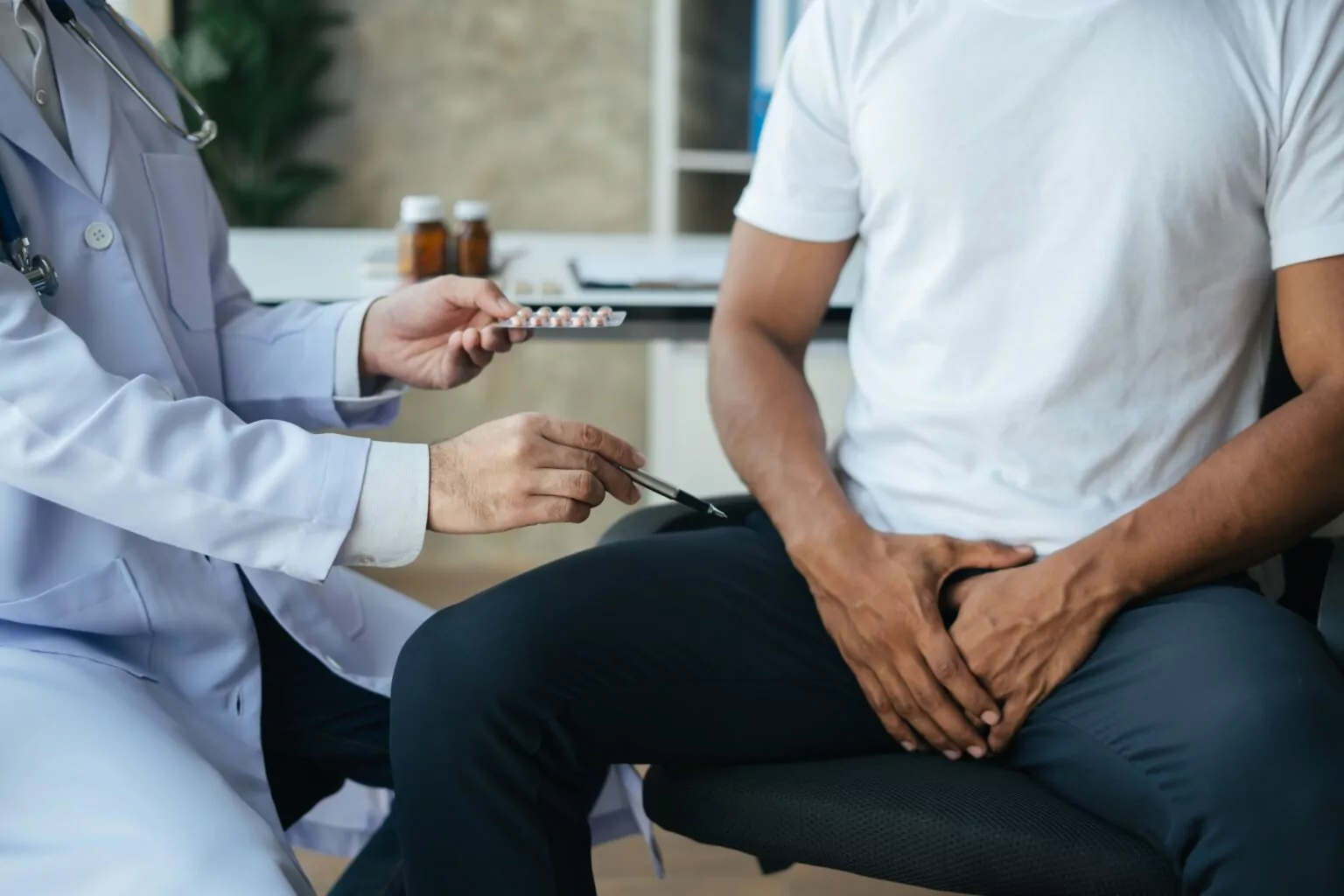
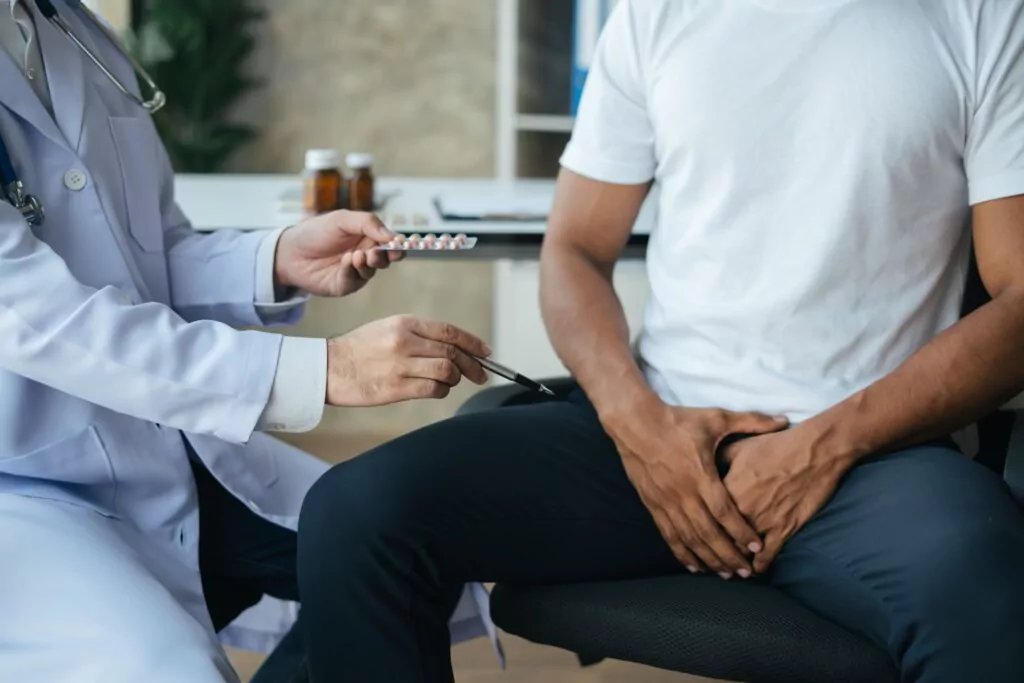
HIV Post-Exposure Prophylaxis, or PEP, is a treatment involving a 28-day course of anti-retroviral medications intended to prevent the HIV virus from multiplying in the body. To work effectively, PEP must be initiated as soon as possible following potential HIV exposure. By preventing the virus from spreading, PEP reduces the risk of infection after a high-risk exposure.
In What Cases Should You Consider HIV PEP In Singapore?
PEP is recommended for individuals who may have been exposed to HIV through certain high-risk situations. It may be advised in the following cases:
Unprotected Sexual Contact
Condom Failure
If a condom breaks during intercourse, particularly in cases of anal or vaginal sex, and your partner’s HIV status is unknown.
Needle Sharing
Individuals who share needles for drug use or other purposes are at higher risk of HIV transmission.
When Should You Start Using PEP?
Timing is critical for PEP to be effective. PEP must be initiated as soon as possible, preferably within 24 hours of exposure and no later than 72 hours. The effectiveness of PEP decreases the longer you wait; beyond 72 hours, it is unlikely to be effective.
Screening Packages
All packages are non-refundable. Price stated below is after GST charge of 9%.
TAF12
PEP Profile
$88
- Haematology
- Full Blood Count, PBF
- Kidney Function
- Urea
- Creatinine Serum
- Sodium
- Potassium
- Chloride
- Renal Function
- Bicarbonate
- eGFR
- Liver Profile
- Bilirubin Total
- ALT/SGPT
- AST/SGOT
- Alkaline Phosphatase
- GGT
- Urine/Stool Analysis
- Urine FEME
STI7+RAPID HIV+SYPHILLIS
$300
- Chlamydia trachomatis
- Neisseria gonorrhoeae
- Mycoplasma genitalium
- Mycoplasma hominis
- Trichomonas vaginalis
- Ureaplasma urealyticum
- Ureaplasma parvum
- Rapid HIV
- Rapid Syphillis / VDRL
Add On:
Rapid HIV + Syphilis/VDRL $109 including GST
PEP Treatment Process
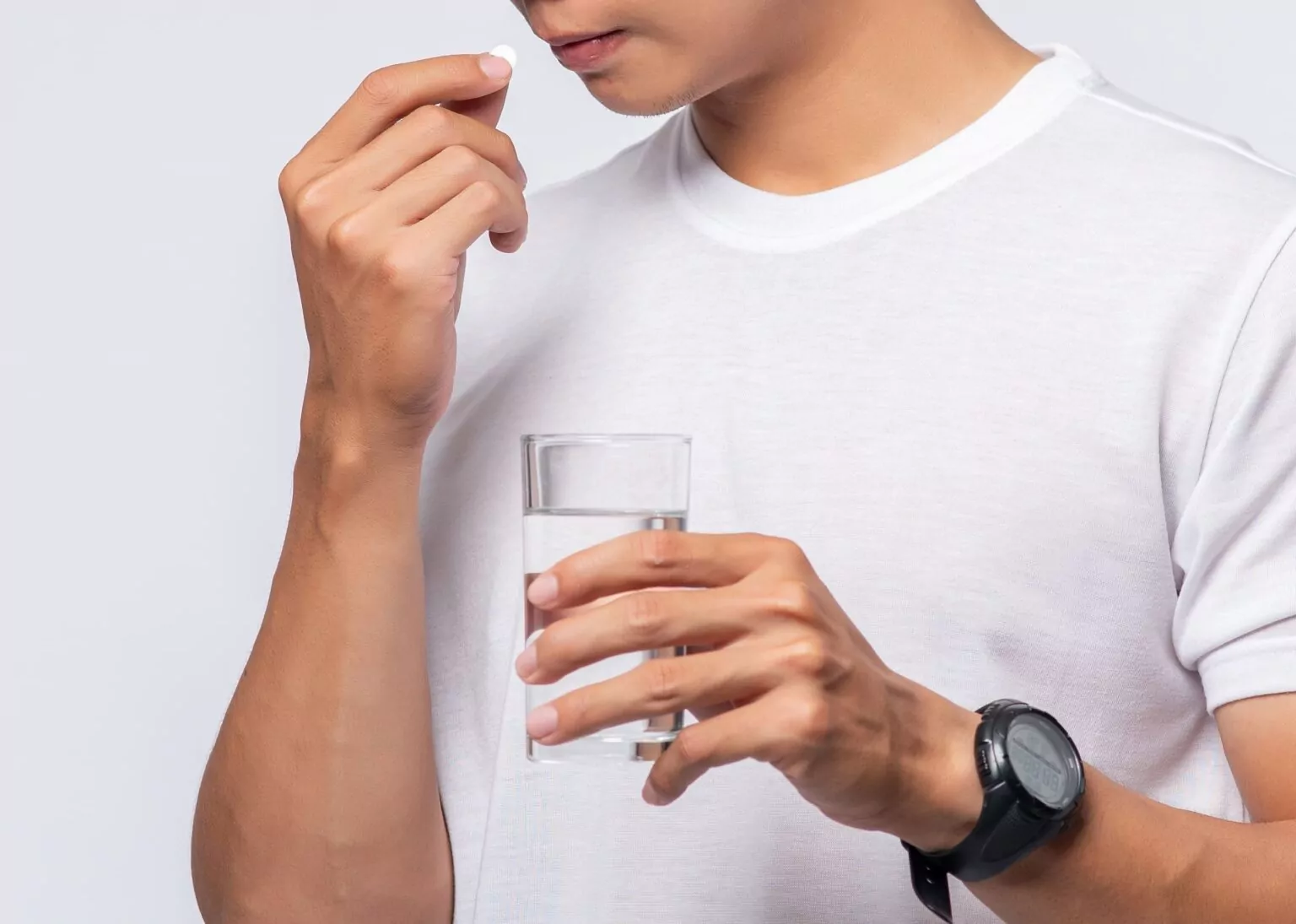
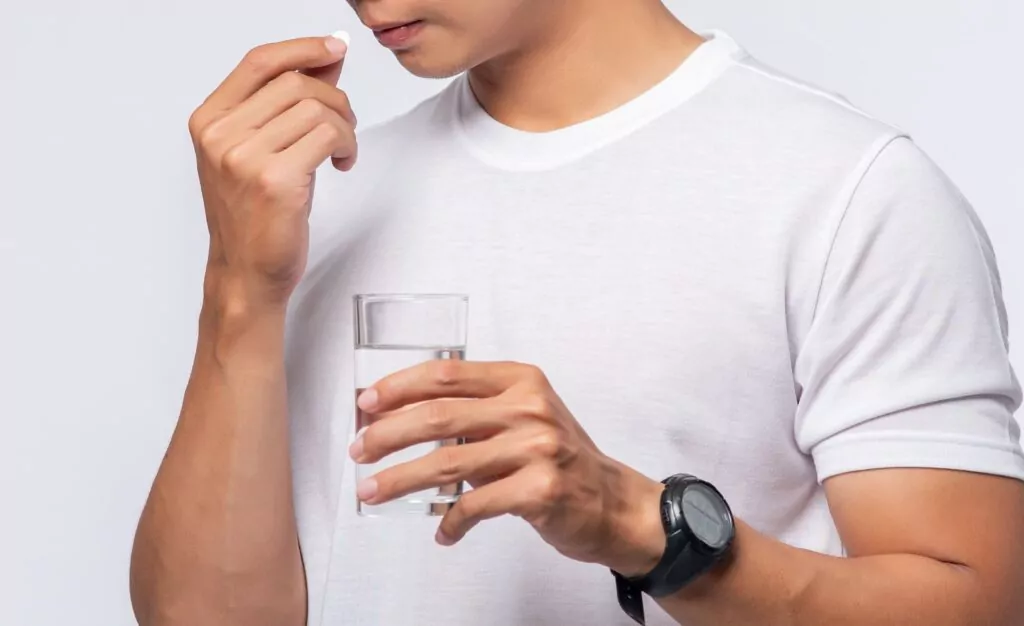
For HIV PEP in Singapore to be effective, strict adherence to the prescribed 28-day regimen is required. You will need to take the medication daily as prescribed, without missing any doses.
During the course, you may experience mild side effects, such as nausea, fatigue, or digestive discomfort. Your doctor can guide you on managing these side effects and may adjust the treatment to improve comfort if necessary. Completing the entire course is necessary to maximise the treatment’s effectiveness.
Follow-up appointments will typically be scheduled to monitor any side effects and to assess how well the treatment is working.
Do you need fast and discreet testing?
Reach out to our friendly clinic staff to schedule an appointment.
PEP and Long-Term HIV Prevention
While PEP is effective as an emergency response, it should not be seen as a primary HIV prevention method. To reduce the need for PEP in the future, it is advisable to consider a more comprehensive HIV prevention approach, especially if you are at higher risk for exposure. Regular HIV testing is necessary for prevention as it allows you to be aware of your status and make informed medical decisions.
If you are at ongoing risk of HIV exposure, discuss Pre-Exposure Prophylaxis (PrEP) with a healthcare provider. PrEP is a preventative treatment taken daily to reduce the likelihood of infection before potential exposure.
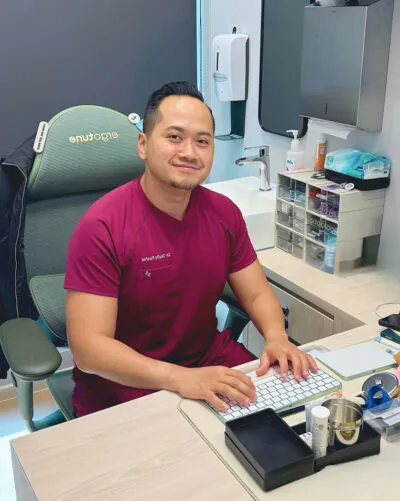
Dr Muhammad Taufiq Rashid
MBBS (NUS)
Member of SASO
Member of SMHS
Member Of ISSM
With over 15 years of experience in clinical practice and healthcare management, Dr Muhammad Taufiq Rashid focuses on men’s health and weight management. He is also a member of the International Society for Sexual Medicine (ISSM), reflecting his continued commitment to men’s wellness.
His care approach incorporates evidence-based medical procedures and tailored solutions designed to meet individual needs.
Dr Taufiq’s professional background spans a range of medical disciplines, equipping him with the knowledge and skills to guide patients in achieving their health goals. He is certified in circumcision techniques using the Shang Ring and ZSR Stapler methods, offering efficient and minimally invasive procedures completed in less than 15 minutes.
Education, Experience & Affiliations
Dr. Taufiq began his medical career as a Medical Officer under MOHH from 2006 to 2014, gaining valuable experience in multidisciplinary healthcare at Alexandra Hospital, KK Hospital, Bright Vision Hospital, and AMK THK Hospital.
From July 2017 to March 2021, he served as Chief Resident Physician at DTAP Clinic Somerset Branch, focusing on men’s health and providing holistic, patient-centered care.
As Medical Director at Pulse Medical Centre from April 2021 to December 2024, Dr. Taufiq led multidisciplinary care and advanced patient-first practices.
He holds certifications in ShangRing Circumcision, ZSR Stapler Circumcision, SCOPE certification, and ShangRing Training (Wuhu, Snnda, 2018). He is also a Certified Trainer for ShangRing Circumcision, ZSR Stapler Circumcision, Touchstone Circumcision, and the Storz T-Top Duolith Shockwave Therapy Machine.
In 2024, he completed the Androcourse under the Society of Men’s Health Singapore. Dr. Taufiq is a member of the Society of Men’s Health Singapore (SMHS), the Singapore Association for the Study of Obesity (SASO), and the International Society of Sexual Medicine (ISSM), reflecting his ongoing commitment to men’s health and weight management.
Make an Enquiry
Got Questions? Please fill in the enquiry form below and we look forward to addressing your question.
Our Location
SBF CENTER MEDICAL SUITES
160 Robinson Rd, #05-05, Singapore 068914
Mon – Thu: 9:00am to 2:00pm, 3:00pm to 6:00pm
Fri: 9:00am to 12:30pm, 2:00pm to 6:00pm
Sat: 9:00am to 1:00pm
Sun & PH: Closed
Fri: 9:00am to 12:30pm, 2:00pm to 6:00pm
Sat: 9:00am to 1:00pm
Sun & PH: Closed
Frequently Asked Questions
Is PEP available over the counter?
No, PEP is not available over the counter. It requires a prescription and must be obtained through a healthcare provider following a consultation to assess your specific needs and risk level.
Can PEP be taken more than once?
Yes, PEP can be prescribed on multiple occasions if necessary. However, frequent reliance on PEP is not ideal as a preventive measure. If you face ongoing exposure to HIV risk, discuss Pre-Exposure Prophylaxis (PrEP) with your healthcare provider as a longer-term solution.
What should I do if I miss a dose of PEP?
If you miss a dose, take it as soon as you remember. Do not double your next dose to make up for the missed one. It is necessary to stay as consistent as possible to ensure effectiveness.
Does PEP provide ongoing protection against HIV after I finish the course?
No, PEP only provides short-term protection during the 28-day course. After completing PEP, it’s necessary to use regular preventive methods, such as condoms or PrEP, to maintain protection against HIV in future situations.
Is PEP needed after unprotected oral sex?
No, PEP is typically not recommended after unprotected oral sex. The risk of HIV transmission through oral sex is considered very low compared to other types of sexual contact. PEP is generally recommended for high-risk exposures such as unprotected penetrative vaginal or anal sex, particularly with partners of unknown HIV status or those from high-risk groups. If you have concerns about your specific situation, it is advisable to consult with a healthcare provider for personalised guidance.
What types of sexual contact are considered high-risk for HIV transmission?
High-risk sexual contact includes unprotected penetrative vaginal or anal sex without a condom, especially with partners whose HIV status is unknown. Additional high-risk situations may include sexual contact with individuals from high-risk groups, such as sex workers, people who inject drugs, or individuals with multiple sexual partners. Condom failure during penetrative sex also constitutes a high-risk exposure. In these situations, PEP may be recommended if started within 72 hours of exposure.
How effective is PEP in preventing HIV infection?
Clinical studies suggest that PEP may reduce the risk of HIV infection by approximately 81% when started promptly and taken as prescribed, with some research estimating efficacy may exceed 90% with optimal adherence. Individual results may vary.
Effectiveness depends on how quickly treatment begins after exposure and adherence to the full 28-day course. PEP is most effective when started within 72 hours of exposure, ideally within 24 hours. Completing the entire course without missing doses is necessary to maximise the treatment’s potential effectiveness.
What are the common side effects of PEP medication?
Many patients taking PEP may experience mild to moderate side effects during the 28-day treatment course. Commonly reported side effects include nausea, fatigue, headache, digestive discomfort, and diarrhoea. These side effects are typically manageable and may improve as the body adjusts to the medication.
Modern single-pill PEP regimens tend to have fewer side effects compared to older regimens that required multiple pills. Many patients report better tolerability with single-pill options, which may help improve treatment completion rates. Individual experiences may vary.
If side effects become severe or interfere with your ability to complete the treatment, your healthcare provider can offer guidance on managing symptoms or may adjust the medication regimen. It is important not to discontinue treatment without medical consultation, as completing the full course is necessary for effectiveness.
Do I still need HIV testing after completing PEP?
Yes, HIV testing is recommended after completing the PEP course to confirm your HIV status. While PEP is designed to reduce the risk of infection, follow-up testing helps ensure the treatment was effective. Your healthcare provider will typically recommend HIV testing at specific intervals after completing PEP, commonly at 4-6 weeks and again at 3 months after the initial exposure. Testing provides important confirmation of your status and allows for early detection and management should infection occur despite treatment.
Can I drink alcohol while taking PEP medication?
It is generally advisable to avoid or limit alcohol consumption while taking PEP medication. Alcohol may increase the risk of side effects such as nausea, dizziness, and liver-related complications, particularly as some anti-retroviral medications are processed by the liver. Additionally, alcohol consumption may affect your ability to adhere to the strict medication schedule, which is necessary for PEP effectiveness. If you have concerns about alcohol use during treatment or if you regularly consume alcohol, discuss this with your healthcare provider, who can provide personalised guidance based on your specific situation and the medications prescribed.
Can I use PEP as a regular prevention method instead of PrEP?
No, PEP should not be used as a regular HIV prevention method. PEP is designed for emergency situations following potential exposure and requires taking multiple medications daily for 28 days, which may cause side effects. If you have an ongoing risk of HIV exposure through regular sexual activity or other factors, Pre-Exposure Prophylaxis (PrEP) may be a more suitable option. PrEP is a preventative treatment taken before potential exposure and is specifically designed for individuals at ongoing risk. Consult with your healthcare provider to determine whether PrEP or other prevention strategies would be appropriate for your situation.