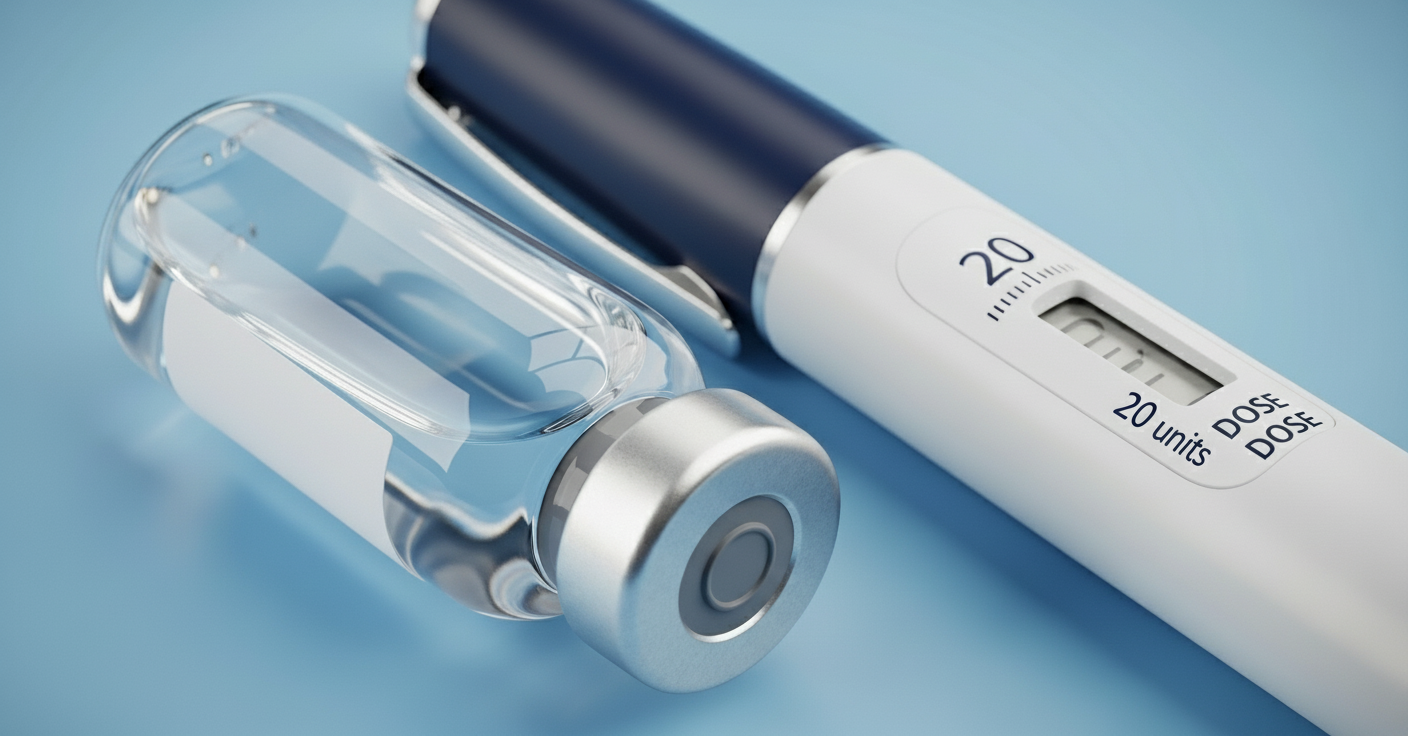
Tirzepatide activates both GLP-1 and GIP receptors, while Semaglutide injection targets only GLP-1 receptors, creating fundamental differences in how these medications work. Both medications belong to the incretin mimetic class but achieve blood sugar control and weight reduction through distinct molecular pathways. The dual receptor activation of tirzepatide provides additional metabolic effects beyond what single-receptor agonists deliver.
These injectable medications represent different stages in the evolution of weight management pharmacology. Semaglutide injection gained FDA approval in 2017, while tirzepatide received approval in 2022, incorporating newer understanding of incretin hormone interactions. The medications share similar administration methods through weekly subcutaneous injections but differ in their dosing strategies, titration schedules, and physiological effects.
The choice between tirzepatide vs Semaglutide injection depends on individual metabolic responses, tolerance profiles, and treatment objectives beyond simple numerical comparisons.
Mechanism of Action Differences
Tirzepatide’s dual agonist approach stimulates both glucagon-like peptide-1 (GLP-1) and glucose-dependent insulinotropic polypeptide (GIP) receptors. GLP-1 receptor activation increases insulin secretion, decreases glucagon release, slows gastric emptying, and promotes satiety through hypothalamic pathways. GIP receptor activation adds complementary effects on fat metabolism, bone formation, and enhanced insulin sensitivity in adipose tissue.
Semaglutide injection works exclusively by activating the GLP-1 receptor, providing glucose control by stimulating pancreatic beta cells and suppressing alpha cells. The medication’s selective binding creates predictable dose-response relationships for both glycemic control and weight reduction. Semaglutide’s molecular structure includes modifications that extend its half-life to approximately 7 days, enabling weekly dosing.
The additional GIP activation in tirzepatide influences lipid metabolism differently than pure GLP-1 agonism. GIP receptors in adipose tissue regulate fat storage and mobilisation, potentially explaining differences in weight-loss patterns between the medications. Brain GIP receptors also modulate food intake through pathways distinct from GLP-1 signalling, creating overlapping but non-redundant appetite regulation.
Receptor binding affinity differs between the medications, with tirzepatide showing balanced activation of both receptor types at therapeutic doses. This balanced activation prevents receptor desensitisation that sometimes occurs with single-pathway stimulation. The molecular size and structure of tirzepatide also affect its distribution throughout body tissues compared to semaglutide.
Dosing and Administration Protocols
Tirzepatide starts at 2.5 mg weekly for 4 weeks before increasing to 5 mg weekly. Subsequent dose escalations occur in 2.5 mg increments every 4 weeks, with a maximum weekly dose of 15 mg. The gradual titration minimises gastrointestinal side effects while allowing metabolic adaptation to dual receptor activation.
Semaglutide injection begins with 0.25 mg weekly for 4 weeks, increasing to 0.5 mg weekly for maintenance. Further increases to 1 mg or 2 mg weekly may be considered based on glycemic response and tolerability. The medication comes in pre-filled pens with fixed doses, simplifying administration but limiting dosing flexibility.
Both medications require subcutaneous injection in the abdomen, thigh, or upper arm, with injection sites rotated to prevent lipodystrophy. Timing flexibility allows administration on any day of the week, though maintaining consistent weekly schedules optimises therapeutic levels. Missed doses within 5 days can be administered immediately, while longer delays require skipping to the next scheduled dose.
Storage requirements include refrigeration for unopened pens; room-temperature storage is acceptable for 56 days (Semaglutide injection) or 21 days (tirzepatide) after first use. The pens contain multiple doses; Semaglutide injection pens deliver 4-8 doses depending on strength, while tirzepatide pens provide 4 doses each.
Clinical Effectiveness Comparison
HbA1c reduction with tirzepatide ranges from 1.8% to 2.4%, depending on dose, while Semaglutide injection typically achieves 1.5% to 2.0% reduction at maximum doses. The additional GIP activation in tirzepatide provides incremental glucose-lowering effects, particularly in postprandial glucose excursions. Fasting plasma glucose improvements occur with both medications, driven by reduced hepatic glucose production.
Weight reduction differences become apparent at higher doses, with tirzepatide 15 mg weekly producing greater weight loss than Semaglutide injection 2 mg weekly in comparative trials. The weight loss occurs through multiple mechanisms, including reduced caloric intake, altered fat metabolism, and increased energy expenditure. Body composition changes show preferential reduction in fat mass with preservation of lean muscle mass.
The time to therapeutic effect varies among medications, with initial glucose improvements visible within 2 weeks for both drugs. Maximum glycemic benefits develop over 12-16 weeks of treatment. Weight loss trajectories continue for longer periods, often plateauing after 52-72 weeks of consistent use.
Cardiovascular risk markers improve with both medications beyond glucose control alone. Blood pressure reductions of 3-5 mmHg systolic occur through weight loss and direct vascular effects. Lipid profiles show decreased triglycerides and modest reductions in LDL cholesterol, with tirzepatide demonstrating slightly greater triglyceride lowering.
Side Effect Profiles
Gastrointestinal effects represent the most common adverse reactions for both medications. Nausea affects many patients initially but typically diminishes over 4-8 weeks. Vomiting, diarrhoea, and constipation occur with varying frequency, often correlating with dose escalation speed and individual sensitivity.
Tirzepatide’s dual mechanism may produce different gastrointestinal symptom patterns than Semaglutide injection. Some patients experience less nausea with tirzepatide despite similar or greater weight loss, possibly due to GIP’s modulating effects on gastric function. Appetite suppression occurs with both medications, but may feel subjectively different between drugs.
Injection site reactions remain mild and infrequent with both medications. Redness, itching, or minor swelling typically resolves without intervention. Rotating injection sites prevents local irritation accumulation. Allergic reactions are rare but require immediate medical attention when accompanied by a rash, difficulty breathing, or facial swelling.
⚠️ Important Note
Both medications carry warnings for thyroid C-cell tumors based on rodent studies, though human relevance remains unclear. Patients with personal or family history of medullary thyroid carcinoma should avoid these medications.Pancreatitis risk exists with both medications, requiring vigilance for severe abdominal pain. Gallbladder disease, including cholelithiasis and cholecystitis, may occur with rapid weight loss. Diabetic retinopathy progression has been reported, particularly with rapid glucose improvements in patients with pre-existing retinopathy.
Cost and Accessibility Factors
Medication costs vary significantly between tirzepatide and Semaglutide injection, with newer tirzepatide typically commanding higher prices. Monthly expenses without subsidies can range from several hundred to thousands of dollars, depending on the dose and pharmacy. Generic versions remain unavailable for either medication due to patent protections extending into the 2030s.
Availability fluctuates based on manufacturing capacity and global demand. Supply constraints have affected both medications intermittently, with allocation systems often prioritising individuals with established metabolic conditions over those seeking treatment for weight management. Pharmacy stock levels vary by region and may require multiple supplier checks.
Prior authorisation requirements from healthcare systems frequently mandate documented failure of other therapeutic options before approving GLP-1 agonists. Documentation of medical necessity, including HbA1c levels and BMI measurements, supports approval processes. Weight management indications typically face stricter coverage criteria than other metabolic health treatments.
Manufacturer-assistance programs provide temporary cost relief to eligible patients. Income-based qualification criteria and citizenship requirements limit program accessibility. Bridge supplies during coverage gaps help maintain treatment continuity.
Putting This Into Practice
- Track your blood glucose patterns for 2 weeks before starting either medication to establish baseline variability and identify problematic time points. Document fasting, pre-meal, and 2-hour post-meal readings along with food intake to share with your healthcare provider.
- Prepare for gastrointestinal adjustment by identifying bland, easily digestible foods that you tolerate well. Small, frequent meals reduce nausea severity compared to large portions. Keep ginger tea, crackers, or other settling foods readily available during the initial weeks.
- Create a consistent injection routine by setting weekly reminders and preparing your injection site in advance. Choose a day and time that accommodates your schedule consistently, avoiding days with irregular activities or travel. Mark injection sites on a body diagram to ensure proper rotation.
- Monitor your response beyond glucose control by tracking energy levels, appetite changes, and any unusual symptoms in a health journal. Weekly weight measurements at the same time of day provide consistent progress tracking. Note any skin changes at injection sites or systemic reactions.
- Proactively adjust your metabolic health plan by discussing medication modifications with your provider as glucose levels improve. Other medications affecting blood sugar may require dose reductions to prevent hypoglycemia. Blood pressure medications might also need adjustment as weight loss progresses.
When to Seek Professional Help
- Severe abdominal pain that radiates to your back
- Persistent vomiting is preventing fluid intake
- Signs of allergic reaction, including rash, swelling, or breathing difficulty
- Vision changes or eye pain
- Severe hypoglycemia with confusion or loss of consciousness
- Neck lumps or hoarseness
- Yellowing of skin or eyes
- Severe constipation lasting more than a week
- Heart palpitations or a racing pulse at rest
- Signs of kidney problems, including decreased urination or swelling
Commonly Asked Questions
Can I switch directly from Semaglutide injection to tirzepatide?
Transitioning between medications requires careful timing to prevent coverage gaps or overlap. Most providers recommend starting tirzepatide 1 week after the last Semaglutide injection, beginning with the lowest tirzepatide dose, regardless of the previous Semaglutide dose. The similar mechanisms allow relatively smooth transitions, though temporary symptom changes may occur.
Which medication works faster for weight loss?
Both medications result in initial weight loss within 4 weeks, primarily due to reduced caloric intake and fluid shifts. Meaningful fat loss occurs over 12-16 weeks, with weight-loss rates varying by individual metabolism and lifestyle factors. Tirzepatide may produce slightly faster initial results at equivalent time points.
Do these medications require diet changes?
While not mandatory, dietary modifications enhance effectiveness and reduce side effects. Smaller portions, reduced fat intake, and increased protein consumption improve tolerance. Alcohol may worsen gastrointestinal symptoms and should be limited during dose escalation phases.
How long do I need to take these medications?
These medications work only while actively taken, with metabolic effects reversing upon discontinuation. Long-term use appears safe based on current evidence, though treatment duration depends on individual health goals and response.
Can these medications be combined with other weight loss treatments?
Combination therapy with metformin or SGLT-2 inhibitors is common in the management of metabolic health. Adding other appetite suppressants or weight loss medications requires careful medical supervision due to overlapping effects and an increased risk of side effects.
Next Steps
Choosing between tirzepatide vs Semaglutide injection requires evaluating your specific metabolic needs, tolerance for side effects, and treatment goals. Both medications offer significant benefits for glucose control and weight management through their incretin-based mechanisms. Consider your response to previous medications, cost factors, and availability when making your decision with your healthcare provider.
If you’re experiencing challenges with weight management or blood sugar control, our men’s health specialist can evaluate your condition and discuss whether tirzepatide or Semaglutide injection is a better fit for your health profile.