Fraud Blocker

Prostatitis

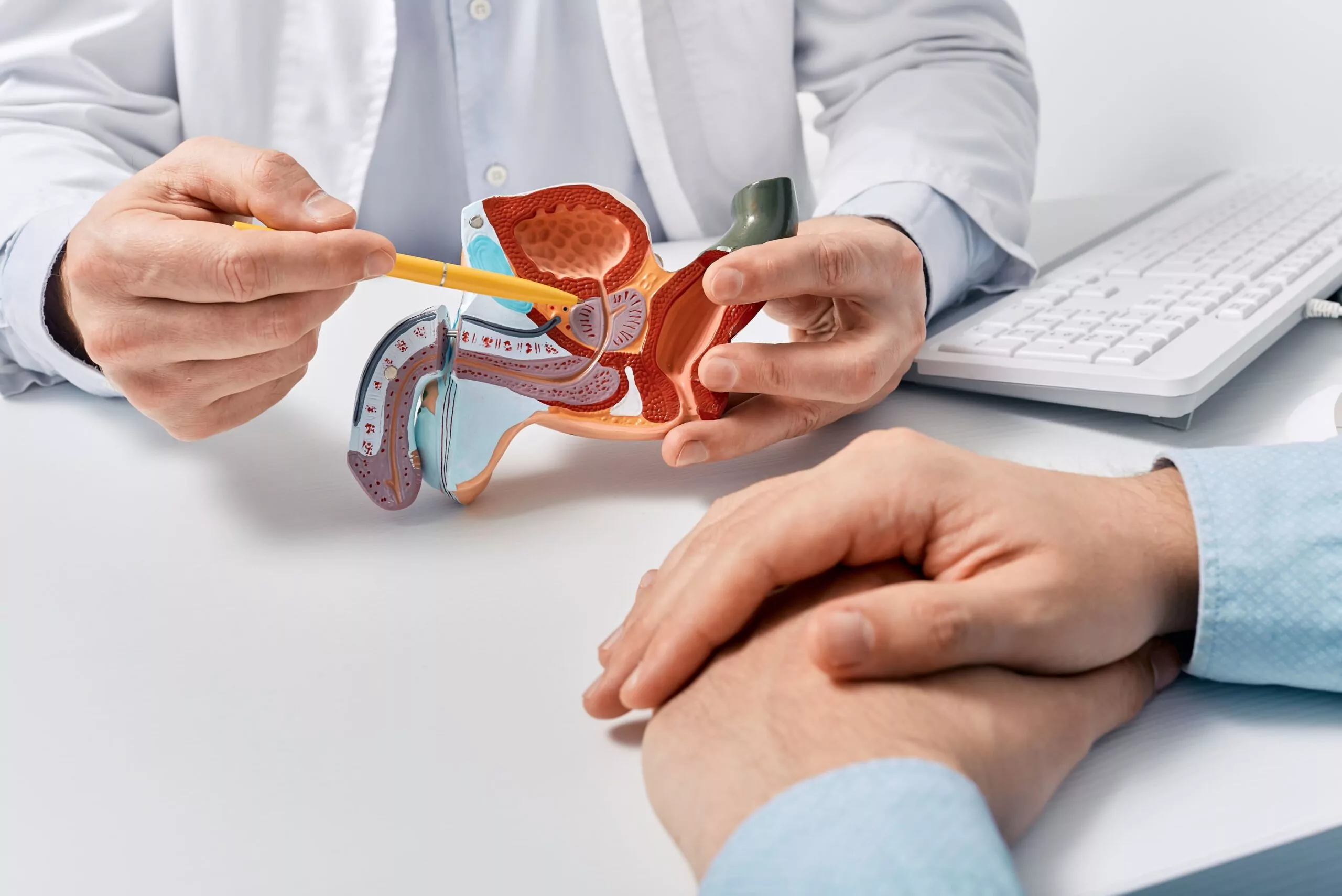
Prostatitis is an inflammation of the prostate gland that affects men of all ages. This condition can cause discomfort or pain in the groin, pelvic area, and genitals, along with urinary and sexual function difficulties. Prostatitis may develop suddenly with severe symptoms (acute) or evolve gradually with persistent, long-lasting symptoms (chronic), impacting daily activities and quality of life.

Symptoms of Prostatitis

Men experiencing prostatitis may notice various symptoms depending on the type and severity of their condition. These symptoms can range from mild discomfort to severe pain and may include:

  • Pelvic and genital pain

    Discomfort may occur in the lower back, perineum (area between the anus and genitals), penis, or testicles. Pain may be constant or intermittent.

  • Urinary problems

    These include burning or stinging during urination, increased frequency, difficulty starting urination, a weak urine stream, or a sensation of incomplete bladder emptying.

  • Painful ejaculation or sexual dysfunction

    Some men may experience discomfort during ejaculation, reduced libido, or difficulty achieving or maintaining erections.

  • Flu-like symptoms

    In cases of acute bacterial prostatitis, fever, chills, and general body aches may develop.

  • Blood in urine or semen

    This can sometimes occur and should be investigated by a doctor.

Causes and Risk Factors

Several recognised factors can contribute to the development of prostatitis:

Bacterial Infection: Common bacteria such as Escherichia coli may enter the prostate from the urinary tract or bloodstream.

Previous Urinary Tract Infections: Men with a history of UTIs have an increased risk of developing bacterial prostatitis due to the potential spread of infection.

Urinary Catheterisation: The use of urinary catheters can introduce bacteria into the urinary system.

Pelvic Trauma: Injury or prolonged pressure on the perineum (e.g. from cycling) may lead to inflammation.

Urinary Tract Abnormalities: Structural or functional abnormalities in the urinary tract can impede normal urine flow and increase the risk of infection and inflammation.

Types of Prostatitis

Prostatitis presents in several distinct forms, each with different causes, symptoms, and treatment approaches that determine patient outcomes and management strategies.

There are four recognised types of prostatitis, each with distinct features:

Acute bacterial prostatitis

A sudden and severe infection, with fever, chills, and urinary difficulty. It requires immediate medical treatment with antibiotics.

Chronic bacterial prostatitis

A persistent or recurring infection with milder symptoms. Long-term antibiotics and management of urinary issues are usually needed.

Chronic prostatitis/chronic pelvic pain syndrome (CP/CPPS)

The most common form, CP/CPPS causes ongoing pelvic pain and urinary symptoms without detectable infection. It may be inflammatory or non-inflammatory.

Asymptomatic inflammatory prostatitis

Detected incidentally, usually during tests for other conditions, this form shows no symptoms and typically requires no treatment.

Diagnostic Methods

Diagnosing prostatitis requires several tests to determine the specific type and cause of the condition, allowing for appropriate treatment selection.

Medical History and Physical Examination: The doctor will review symptoms, medical history, and conduct a physical examination including a digital rectal examination (DRE). Digital rectal examination (DRE) is conducted to assess prostate size and tenderness.

Urine Tests: The pre- and post-massage test (PPMT) involves collecting urine to identify bacteria or white blood cells coming from the prostate. This helps differentiate between urinary tract and prostate infections.

Blood Tests: Blood samples may be taken to check for infection markers like elevated white blood cell count. Prostate-specific antigen (PSA) levels might be measured, as inflammation can cause temporary PSA elevation.

Screening Package

Multiplex PCR

STI 7

$240
  • Chlamydia trachomatis
  • Neisseria gonorrhoeae
  • Mycoplasma genitalium
  • Mycoplasma hominis
  • Trichomonas vaginalis
  • Ureaplasma urealyticum
  • Ureaplasma parvum

Are your symptoms affecting your quality of life?

Consult our MOH-accredited specialist for a personalised treatment plan today.

Treatment Options

Treatment is tailored to the type and severity of prostatitis and aims to relieve symptoms, treat infection, and improve quality of life.

Antibiotics

For bacterial prostatitis, antibiotics are the primary treatment. Acute bacterial prostatitis typically requires 2-4 weeks of antibiotics, while chronic bacterial prostatitis may need 4-12 weeks of treatment.

Alpha Blockers

These medications help relax the bladder neck and muscle fibres in the prostate, improving urine flow and reducing symptoms. Commonly prescribed alpha blockers include tamsulosin, alfuzosin, and silodosin.

Anti-inflammatory Medications

Nonsteroidal anti-inflammatory drugs (NSAIDs) like ibuprofen and naproxen help reduce pain and inflammation.

Pain Management

For chronic prostatitis with significant pain, prescription pain relievers, physiotherapy, trigger point release, or nerve blocks may be recommended.

Extracorporeal Shockwave Therapy

This treatment is useful for managing Chronic Pelvic Pain syndrome (CPPS). It involves applying low intensity shockwave to the perineum to relieve pain and reduce inflammation. This treatment is recommended after infection has been ruled out.

Prevention and Management

To help prevent prostatitis or manage ongoing symptoms, it’s important to stay well-hydrated and fully empty the bladder during urination. Avoiding prolonged pressure on the perineum—such as with cycling—by using padded seats can reduce irritation. Warm sitz baths can relieve discomfort by improving blood flow and relaxing pelvic muscles. Identifying and avoiding symptom triggers such as spicy foods, caffeine, and alcohol may also help. Always complete the full course of any prescribed antibiotics to prevent recurrence.

Dr Muhammad Taufiq Rashid

MBBS (NUS)

Member of SASO

Member of SMHS

Member Of ISSM

With over 15 years of experience in clinical practice and healthcare management, Dr Muhammad Taufiq Rashid focuses on men’s health and weight management. He is also a member of the International Society for Sexual Medicine (ISSM), reflecting his continued commitment to men’s wellness.

His care approach incorporates evidence-based medical procedures and tailored solutions designed to meet individual needs.

Dr Taufiq’s professional background spans a range of medical disciplines, equipping him with the knowledge and skills to guide patients in achieving their health goals. He is certified in circumcision techniques using the Shang Ring and ZSR Stapler methods, offering efficient and minimally invasive procedures completed in less than 15 minutes.

Education, Experience & Affiliations

Dr. Taufiq began his medical career as a Medical Officer under MOHH from 2006 to 2014, gaining valuable experience in multidisciplinary healthcare at Alexandra Hospital, KK Hospital, Bright Vision Hospital, and AMK THK Hospital.

From July 2017 to March 2021, he served as Chief Resident Physician at DTAP Clinic Somerset Branch, focusing on men’s health and providing holistic, patient-centered care.

As Medical Director at Pulse Medical Centre from April 2021 to December 2024, Dr. Taufiq led multidisciplinary care and advanced patient-first practices.

He holds certifications in ShangRing Circumcision, ZSR Stapler Circumcision, SCOPE certification, and ShangRing Training (Wuhu, Snnda, 2018). He is also a Certified Trainer for ShangRing Circumcision, ZSR Stapler Circumcision, Touchstone Circumcision, and the Storz T-Top Duolith Shockwave Therapy Machine.

In 2024, he completed the Androcourse under the Society of Men’s Health Singapore. Dr. Taufiq is a member of the Society of Men’s Health Singapore (SMHS), the Singapore Association for the Study of Obesity (SASO), and the International Society of Sexual Medicine (ISSM), reflecting his ongoing commitment to men’s health and weight management.

Make an Enquiry

Got Questions? Please fill in the enquiry form below and we look forward to addressing your question.

    Our Location

    SBF CENTER MEDICAL SUITES
    160 Robinson Rd, #05-05, Singapore 068914

    Mon – Thu: 9:00am to 2:00pm, 3:00pm to 6:00pm
    Fri: 9:00am to 12:30pm, 2:00pm to 6:00pm
    Sat: 9:00am to 1:00pm
    Sun & PH: Closed

    Frequently Asked Questions

    How common is prostatitis?

    Prostatitis affects approximately 10-15% of men at some point in their lives. It is the most common urological diagnosis in men under 50 and the third most common in men over 50. The chronic form (CP/CPPS) accounts for about 90-95% of prostatitis cases, while bacterial forms are less common but potentially more serious.

    Does prostatitis affect fertility?

    Prostatitis can impact fertility, particularly in chronic cases. The prostate produces components of seminal fluid that support sperm function and viability. Inflammation can alter the composition of these fluids or cause blockages in the reproductive tract.

    Will prostatitis resolve on its own?

    Acute bacterial prostatitis typically requires antibiotic treatment and will not resolve without intervention. Chronic bacterial prostatitis often requires extended antibiotic courses. CP/CPPS may show fluctuating symptoms with periods of improvement, but complete spontaneous resolution is uncommon without treatment.

    Is prostatitis contagious?

    Bacterial prostatitis is not considered a sexually transmitted condition and cannot be passed to partners. The bacteria that cause prostatitis typically enter the prostate from other parts of the urinary tract rather than through sexual contact. Partners of men with prostatitis do not require treatment unless they have their own urinary or reproductive tract infections.

    How long does treatment for prostatitis last?

    Treatment duration varies by type. Acute bacterial prostatitis typically requires 2-4 weeks of antibiotics. Chronic bacterial prostatitis often needs 4-12 weeks of antibiotic therapy, sometimes with maintenance regimens. For CP/CPPS, symptom management may be ongoing, with treatments adjusted based on symptom control and quality of life considerations.